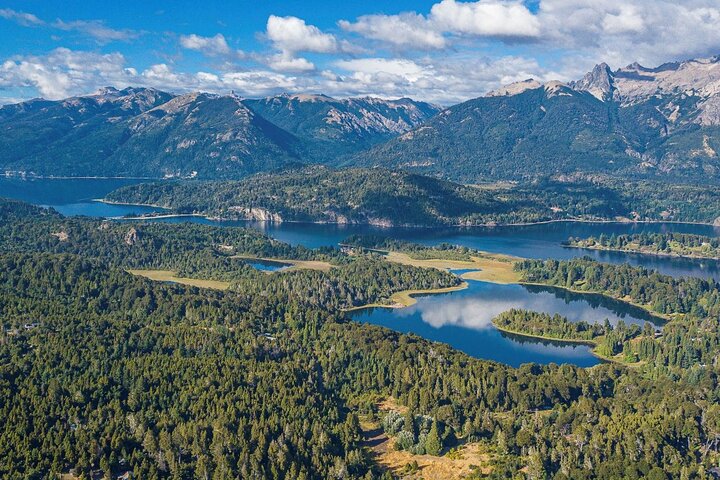
Bariloche sits on the southern shore of Lake Nahuel Huapi, in Argentina's Andean lake district, and almost everything worth seeing is either on the lake, above it or along the road that circles it. The city itself is compact and a little alpine in style, with a lakefront, the Civic Centre and the chocolate shops of Mitre street. The sights are spread out along Avenida Bustillo and beyond, so a plan matters more than a checklist.
Pick your season first
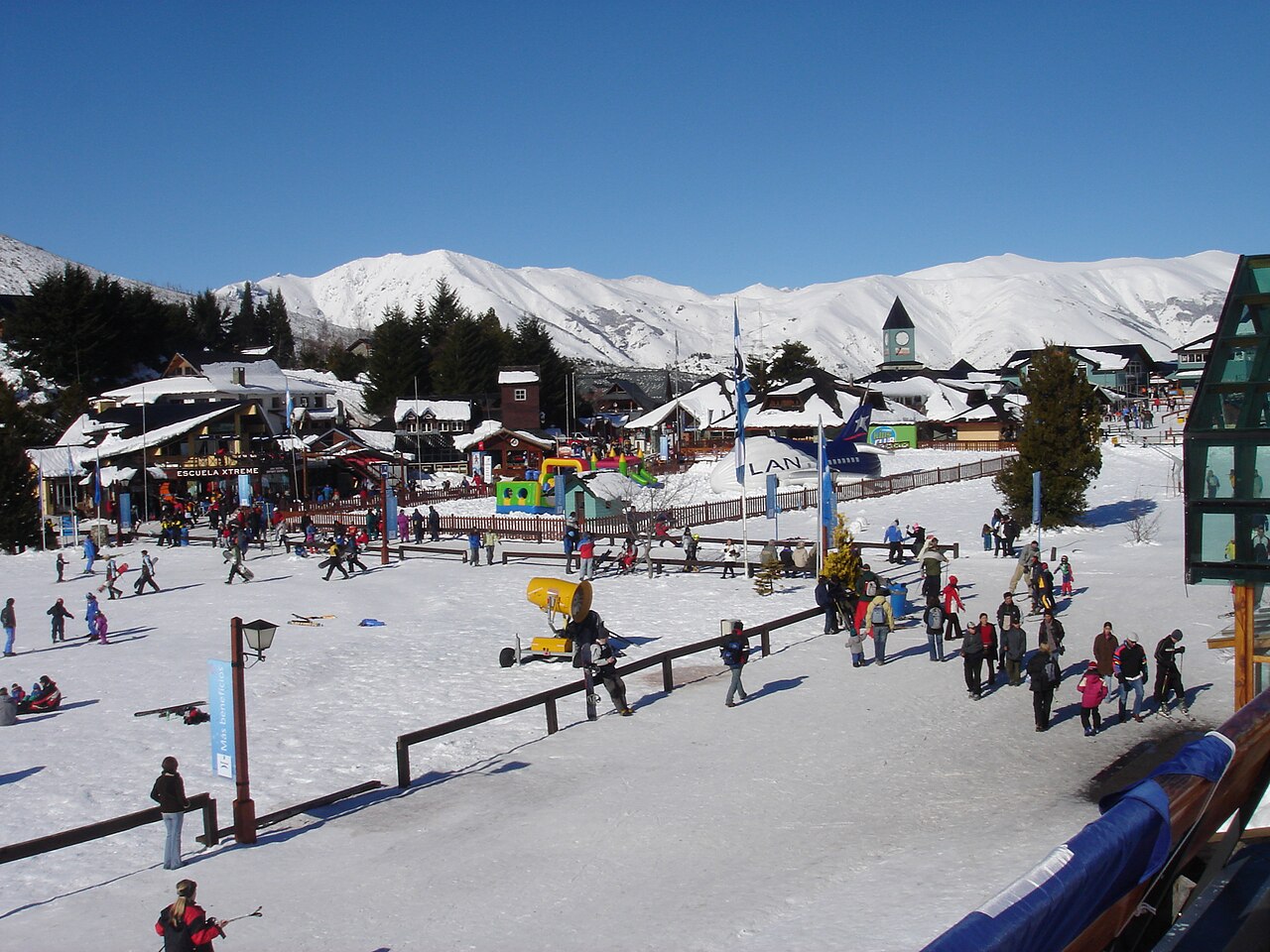
Bariloche changes completely through the year. Ski season runs from June to September, with the July school holidays the busiest and most expensive weeks, and Cerro Catedral is the draw. November is spring: the lakes are full of snowmelt, the forests are fresh, the peaks are still white and crowds are thin, though a few seasonal services, such as lifts and some tea houses, run reduced schedules. Summer, December to February, is warm and busy, and autumn brings red and gold foliage. Weather is changeable in any season, so carry layers.
What to arrange ahead
In the ski season, book lessons, rentals and accommodation early. In any season, the boat trips to Isla Victoria and Puerto Blest are best reserved a few days ahead, and the Seven Lakes day trip to San Martin de los Andes needs a full day, so schedule it for a settled forecast. The Circuito Chico, Campanario and Colonia Suiza can be arranged on the spot, though a guided half-day is easier to book the day before.
Getting around
Downtown is walkable. For everything else, the choices are guided tours with hotel pickup, taxis and remises, city buses along Avenida Bustillo and rental cars. A car gives freedom on the Circuito Chico and the Seven Lakes road, and the roads are straightforward, but parking at some stops is informal and fuel stops on the Seven Lakes route are limited. If you do not want to drive, a mix of one or two guided days and taxis for short hops works well.
How many days
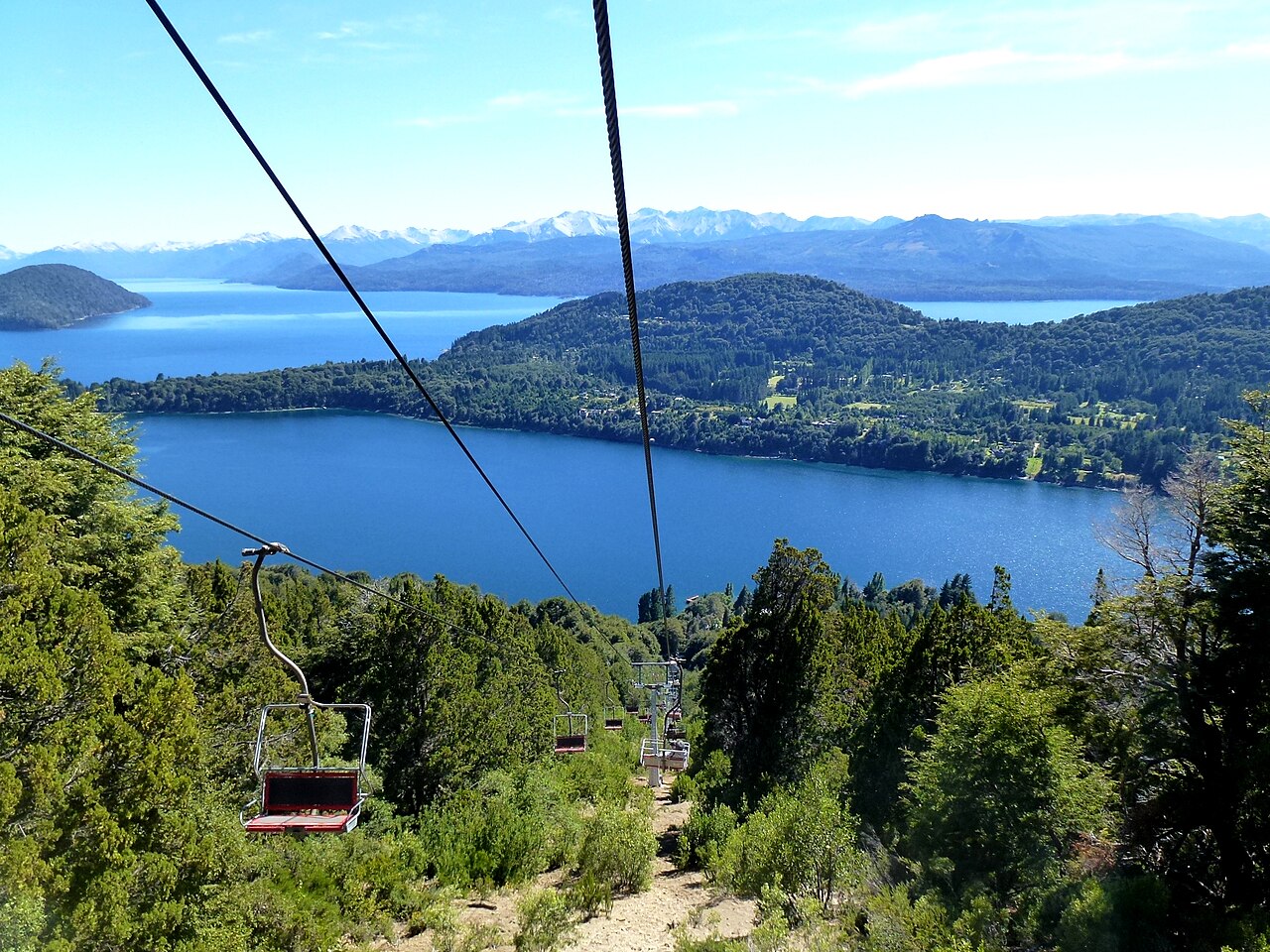
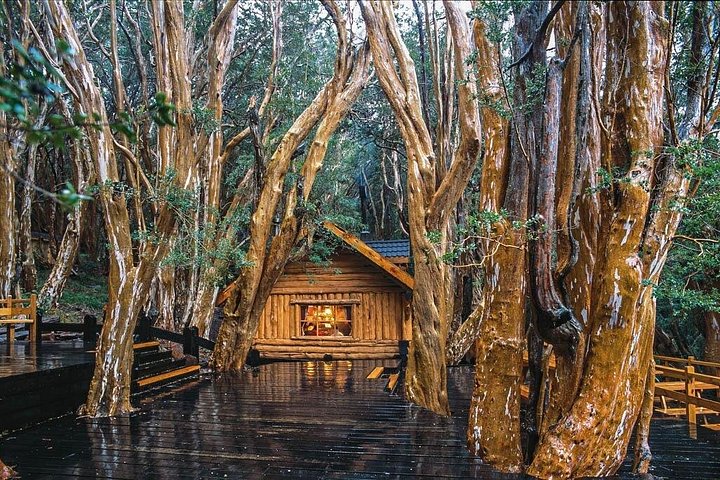
Three full days covers the essentials. Day one for the Circuito Chico with Campanario and Colonia Suiza, ending with a walk along Mitre street for chocolate. Day two for a boat trip, either Isla Victoria and the Arrayanes forest or Puerto Blest and the Cántaros waterfall. Day three for a mountain: Cerro Catedral if the lifts are running, or Cerro Otto for the cable car and the revolving cafe. With a fourth day, add kayaking on Nahuel Huapi, and with a fifth, take the full-day Seven Lakes trip to San Martin de los Andes.
Where each sight fits
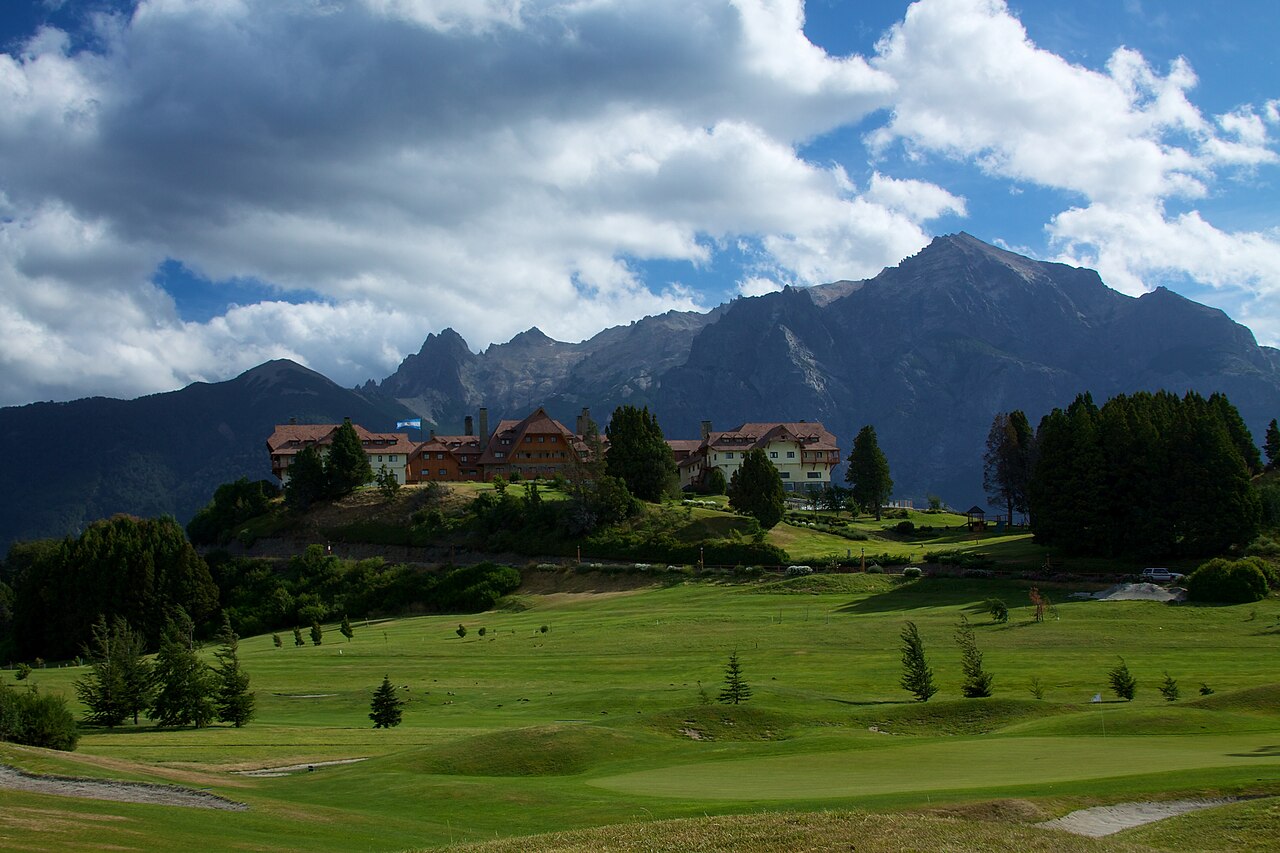
Cerro Campanario, Colonia Suiza and the Llao Llao peninsula sit on the Circuito Chico, so group them. Puerto Pañuelo, on the same peninsula, is where the Isla Victoria and Puerto Blest boats leave. Cerro Catedral is about 20 kilometres from town in the opposite direction, and Cerro Otto is close to the city. Mitre street and the Civic Centre are downtown, so save them for evenings and rainy hours.
Check before you go
Mountain lifts operate on seasonal schedules, and the Cerro Otto cable car has paused for maintenance in the shoulder months in past years, so confirm any lift before you build a day around it. Boat services depend on wind, and some areas of the national park can close after heavy weather, so ask your operator about current conditions.
Choosing a base
Staying downtown puts you within walking distance of dinner and shops, with tours collecting you at the door. Staying along Avenida Bustillo or on the Llao Llao peninsula gives you lake views and quiet, at the cost of a taxi or car for evenings in town. Our Where to Stay guide compares the options, from the Llao Llao resort to a budget hotel near the Civic Centre.
A few honest notes
Many tours are in Spanish, so choose English-language departures if you need them, and read the inclusions carefully, since park entry fees and chairlift tickets are sometimes separate. Sun and wind are strong at altitude, so bring sun protection even on cool days. And leave a little slack in the plan, because the weather here can turn a clear morning into a wet afternoon, and the best response is usually a cup of hot chocolate.