Bath is a superb base for day trips. Within an hour or so you can reach prehistoric stone circles, honey-stone villages, a medieval cathedral city and the edge of the Cotswolds. Public transport to the smaller places is limited, so many visitors choose a guided tour, but a car or a careful reading of the bus timetable can work too. Here are the options, with advice on choosing.
Stonehenge and Avebury
Stonehenge is about an hour away and is the headline of the region. It is an open, exposed site, so bring layers, and remember that at standard visits you walk around the stones rather than among them. Avebury, nearby, is a vast circle with a village built inside it, and you can walk freely among the stones. Our Stonehenge and Cotswolds day trip from Bath combines both with Lacock and Castle Combe in one long day, with admission included according to the operator. If you only want Stonehenge, shorter half-day tours also run from the city.
The Cotswolds
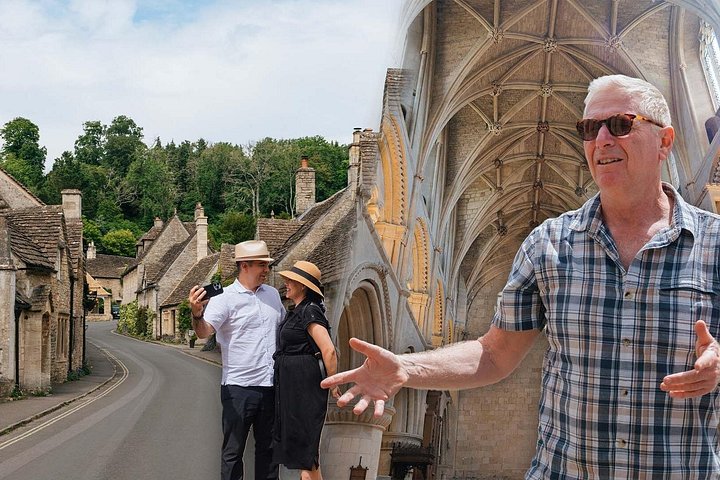
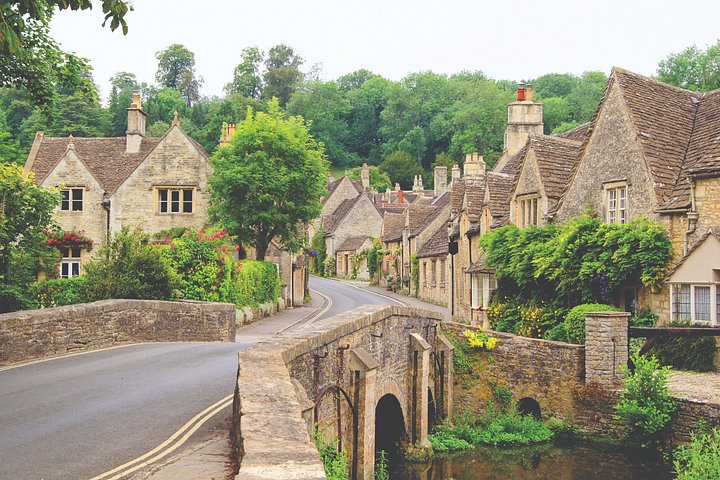
The Cotswolds are a large area of rolling limestone hills with villages built of golden stone, and the best ones are spread across several counties. A small-group tour is the easiest way to see several in a day without driving on narrow lanes. Our Cotswolds villages tour covers Castle Combe, Malmesbury and other stops with a pub lunch, in groups of eight or fewer. Remember that some villages, such as Castle Combe, sit on the Wiltshire edge of the region but are among the most photogenic.
Lacock and Castle Combe
If you only have an afternoon, these two villages make a relaxed half-day. Lacock is mostly owned by the National Trust and has a medieval abbey with a photography museum, and Castle Combe is a small stream-side village often called the prettiest in England. A private afternoon tour with a guide lets you set the pace, and it leaves the morning free for the Roman Baths.
Wells, Cheddar and Glastonbury
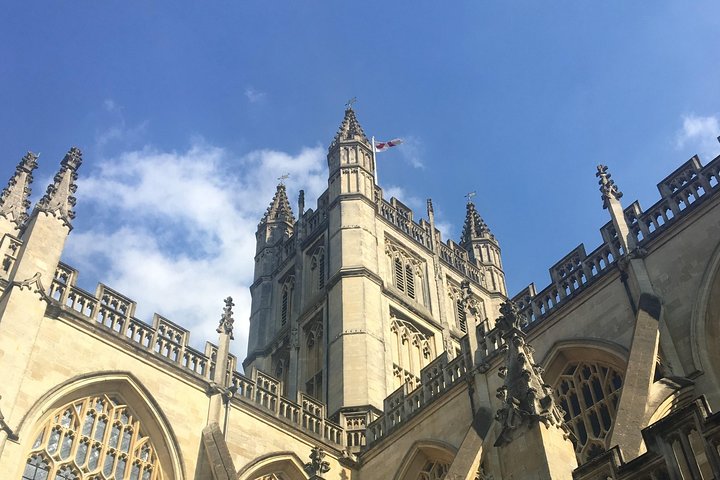
To the south lies Somerset, with its own mix of attractions. Wells is England's smallest city, with a Gothic cathedral, a moated palace and a historic close. Cheddar Gorge offers dramatic cliffs and a walk, and Glastonbury has its abbey ruins and Tor. Small-group tours from Bath often combine two or three of these, which makes a varied day, though check the stops carefully before you book. Wells is also a good independent trip if you enjoy cathedrals.
Choosing between tours, trains and cars
A tour removes the stress of driving and parking and gives you a guide who explains what you see, but you move at the group's pace. Trains and buses suit towns on the main lines, such as Bristol and Salisbury, but the villages are poorly served. A hire car gives the most freedom, but lanes are narrow, parking is limited and driving on the left takes concentration. For most first-time visitors, a small-group tour is the best compromise.
Timing and season
Day trips run all year, but daylight is short in winter, and exposed places such as Stonehenge can be cold and wet. Spring and autumn are good for the villages, and summer is busiest at every stop. Try to schedule your trip on a weekday, and keep the Roman Baths and the spa for another day so that you are not trying to do everything at once.
What to pack
Wear sturdy shoes, bring a waterproof and layers and carry some cash for small village shops and car parks. If you are on a tour, tell the operator about dietary needs and mobility needs when you book, and ask what is included in the price, since entry to places such as Lacock Abbey is often separate.
A quick comparison
If you have one day, choose the Stonehenge and Cotswolds combination for the widest sample of the region. If you have an afternoon, choose Lacock and Castle Combe. If you prefer architecture and quiet streets, choose Wells. If you love walking, combine the Skyline in Bath with a village stroll on another day. Each trip pairs well with a slow evening back in the city, perhaps with a soak at Thermae Bath Spa.
Planning your base
Staying in Bath for three or four nights allows one or two day trips and keeps the rest of your time for the city. Choose a hotel near the centre or the station, since many tours collect from central addresses.