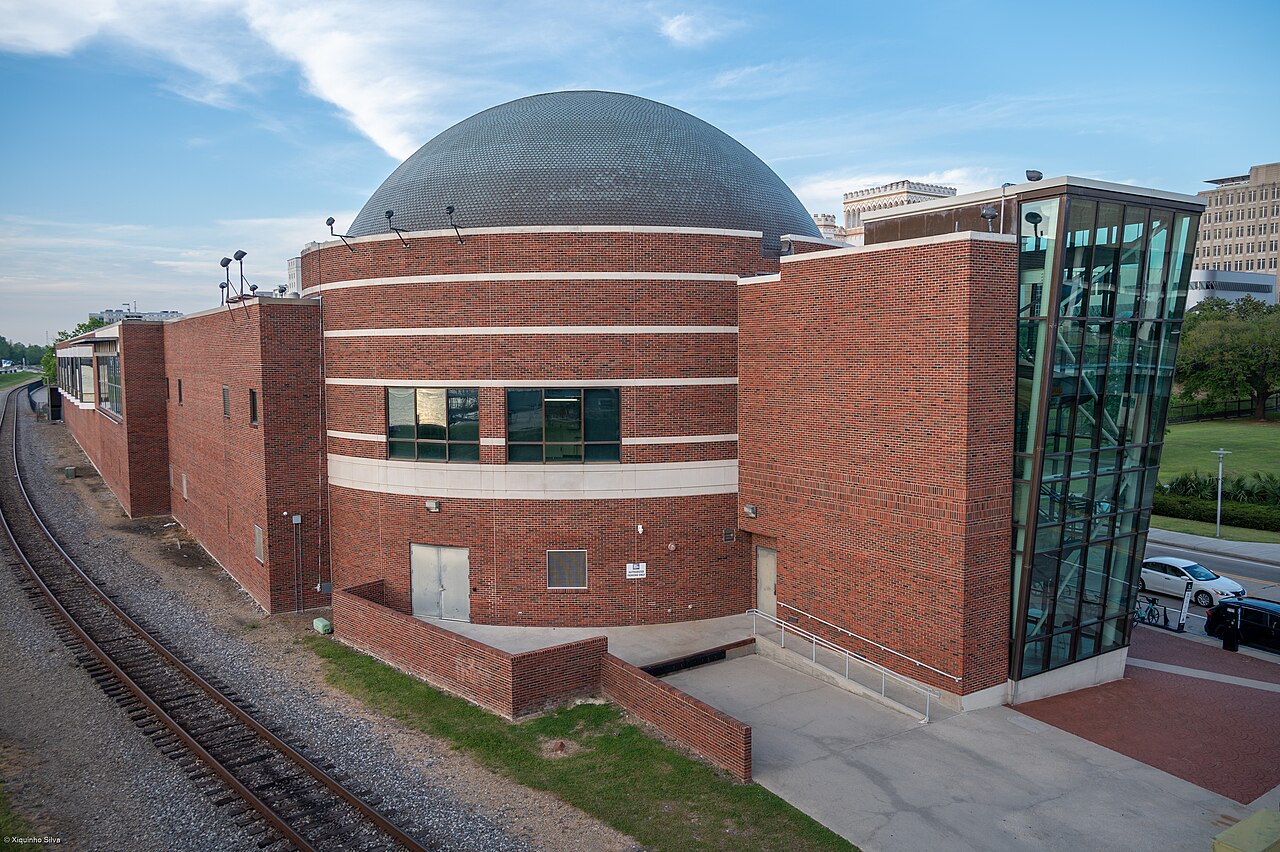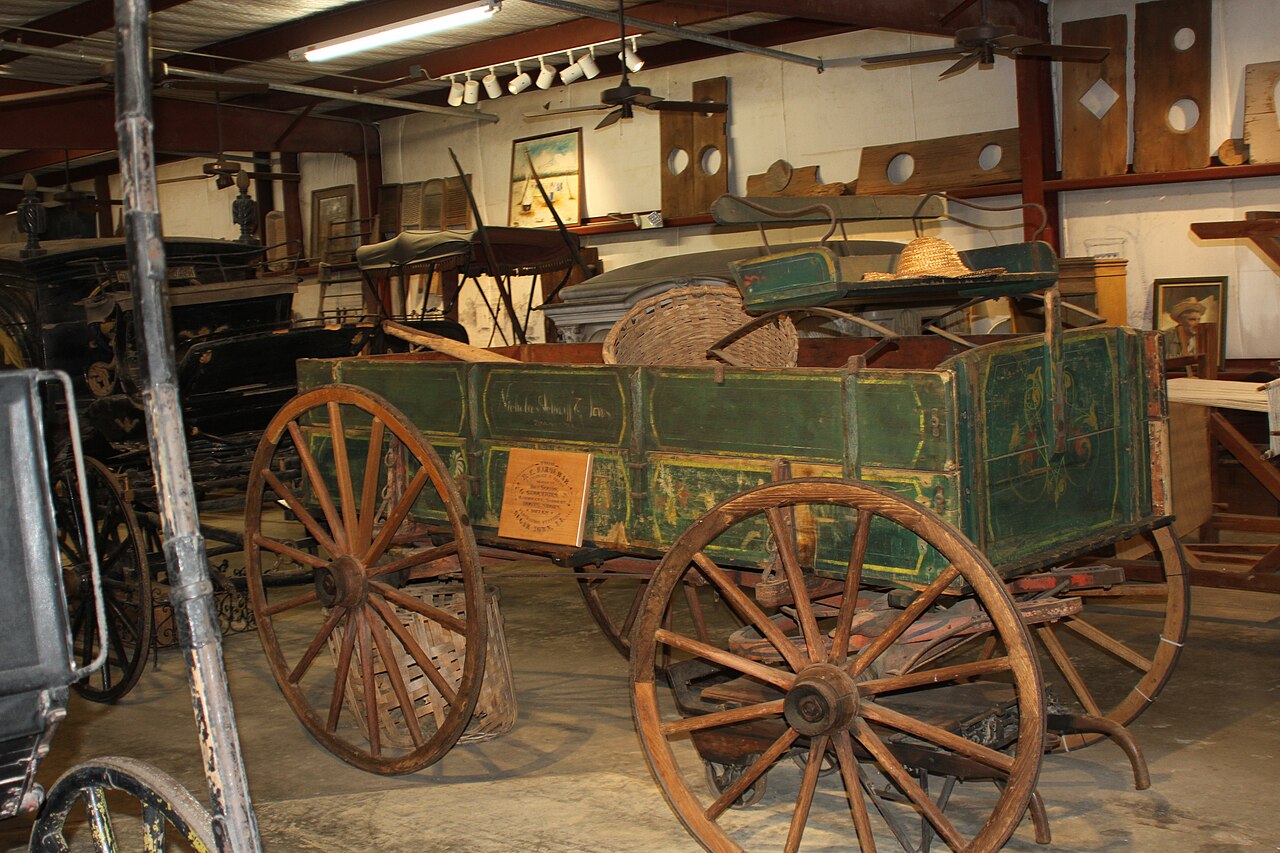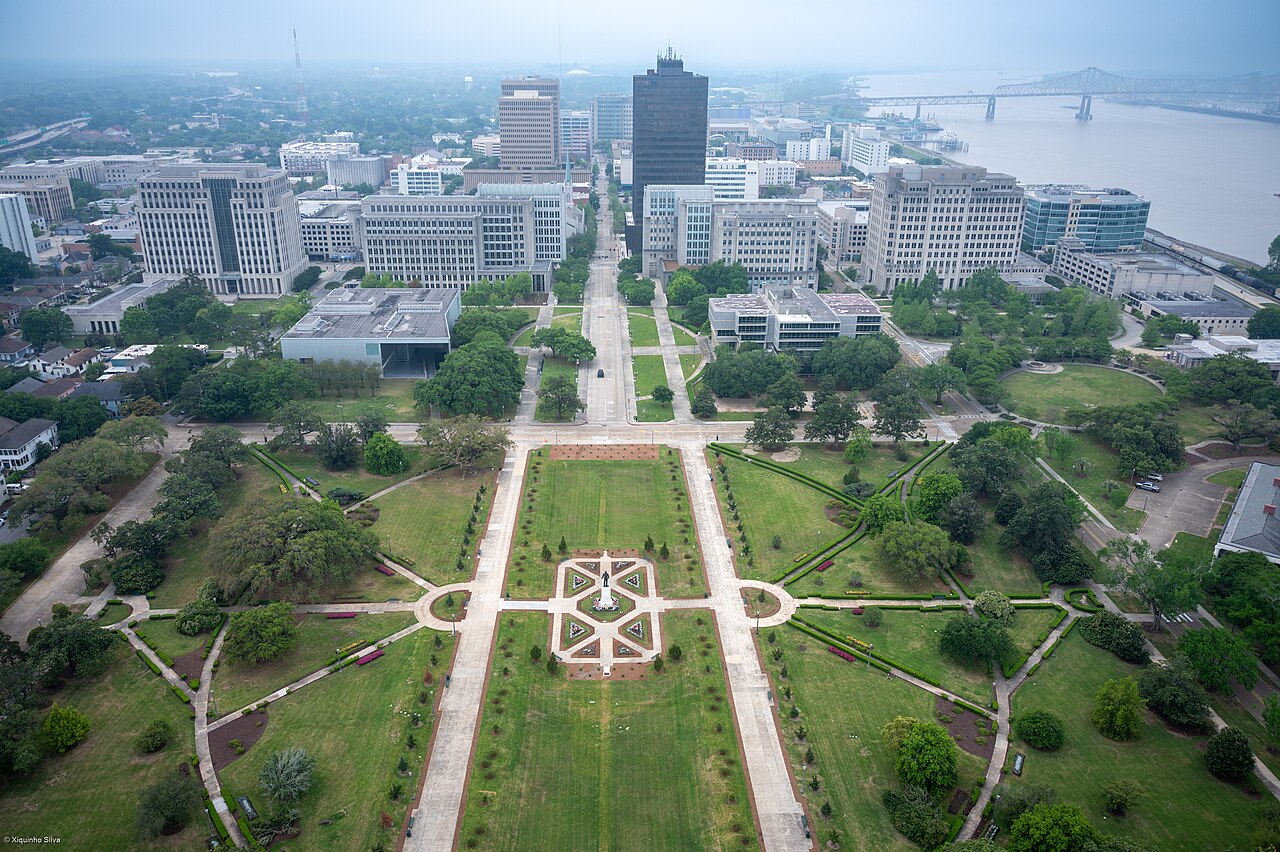
The Capitol Park Museum is where Louisiana explains itself in one air-conditioned building. Part of the Louisiana State Museum system, it sits beside the State Capitol and takes the sweeping view: how the state's geography, peoples and industries produced a culture unlike any other in America. Permanent galleries trace the story from the first Native inhabitants through French, Spanish and American rule, the arrival of Acadians, the Atlantic slave trade and the cultural blending that produced Creole and Cajun traditions. The exhibits are objects first, with period clothing, tools, musical instruments, documents and a full-size shrimp boat, which delights children and adults alike. A large gallery is devoted to the state's music, from early jazz and zydeco to swamp pop and rhythm and blues, and visitors can listen as they look. Another covers the sometimes tense relationship between the state and the petroleum industry, and others cover Mardi Gras traditions, floods and hurricanes, and the political history that you can then see in real time at the Capitol next door.
The museum is best treated as a primer. If you are heading south to New Orleans, west to Lafayette or north to the plantations, an hour here gives you vocabulary: what a pirogue is, why the Acadians arrived, how the sugar and cotton economy shaped river parishes, and where zydeco and second-line music come from. Many exhibits include period photographs and oral history that reward a closer look, and interactive stations keep younger visitors engaged. The rotating exhibit hall changes through the year, so repeat visitors often find something new.
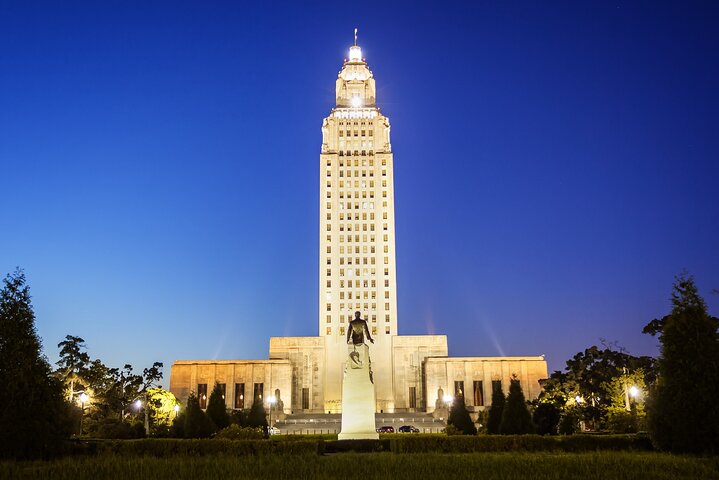
Inside, expect a clean, modern layout, a gift shop with Louisiana-made books and music, and good accessibility. The museum is within sight of the Capitol and the Old State Capitol, and together the three form an easy civics-and-culture walking loop. The grounds around the building include landscaped space for a break. Admission is modest, and the museum is closed one or two days a week, so verify hours before you go.
Because Baton Rouge sits at the junction of Cajun and Creole Louisiana, this is the place to understand both. Visit before you go to Avery Island or Breaux Bridge, and the food tour or swamp trip will feel richer. It is also one of the best rainy-day choices in the city: you can spend a surprisingly full morning among its galleries and still be at lunch on time.
To get the most from the museum, pick two or three galleries rather than trying to read every label. The music displays are a natural highlight, because Louisiana's sounds, from brass bands and gospel to Cajun fiddle and swamp pop, are as much a part of the state's identity as its food. The Mardi Gras material is helpful if you plan to see parades or visit New Orleans afterward, since it explains krewes, costumes and traditions in a way that makes the festivals easier to follow.
History readers will find the Native, colonial and antebellum sections valuable context for plantation visits, and the exhibits on floods and storms explain why levees, drainage and elevated houses shape the landscape you drive through. Guided groups sometimes visit on weekday mornings, so a later arrival can feel calmer. The museum shop is a good source of books, recordings and gifts made in Louisiana.
What to expect
The experience
A modern state museum with permanent galleries on Louisiana's peoples, music, industries and traditions, plus rotating exhibits.
Best time
Any time, and especially a hot or wet afternoon. Weekday mornings are the quietest.
How long
One to two hours.
Tips
Start with the shrimp boat gallery for children, linger in the music gallery, and check the rotating exhibit before you go.
Quick picks
- Best for
- Anyone who wants Louisiana's culture explained before they head out of town.
- Families
- The shrimp boat and music displays hold children's attention well.
- Couples
- A quiet air-conditioned hour before dinner downtown.
- Pair with
- The State Capitol and the Old State Capitol, both within a few minutes' walk.
- Time needed
- Ninety minutes.
Good questions
What is in the Capitol Park Museum?+
Permanent galleries on Louisiana's cultures, music, industries and Mardi Gras, with a full-size shrimp boat, plus rotating exhibits.
Is it part of the State Capitol?+
No. It is a separate museum within the Louisiana State Museum system, located in Capitol Park next to the Capitol.
Is it good for children?+
Yes. The shrimp boat, music displays and interactive exhibits suit school-age children well.
Do I need tickets in advance?+
Usually not. Pay at the door, and check opening days since the museum closes at least one day a week.
How does it compare with museums in New Orleans?+
It is smaller, but it is a strong statewide overview and a calm, uncrowded alternative.