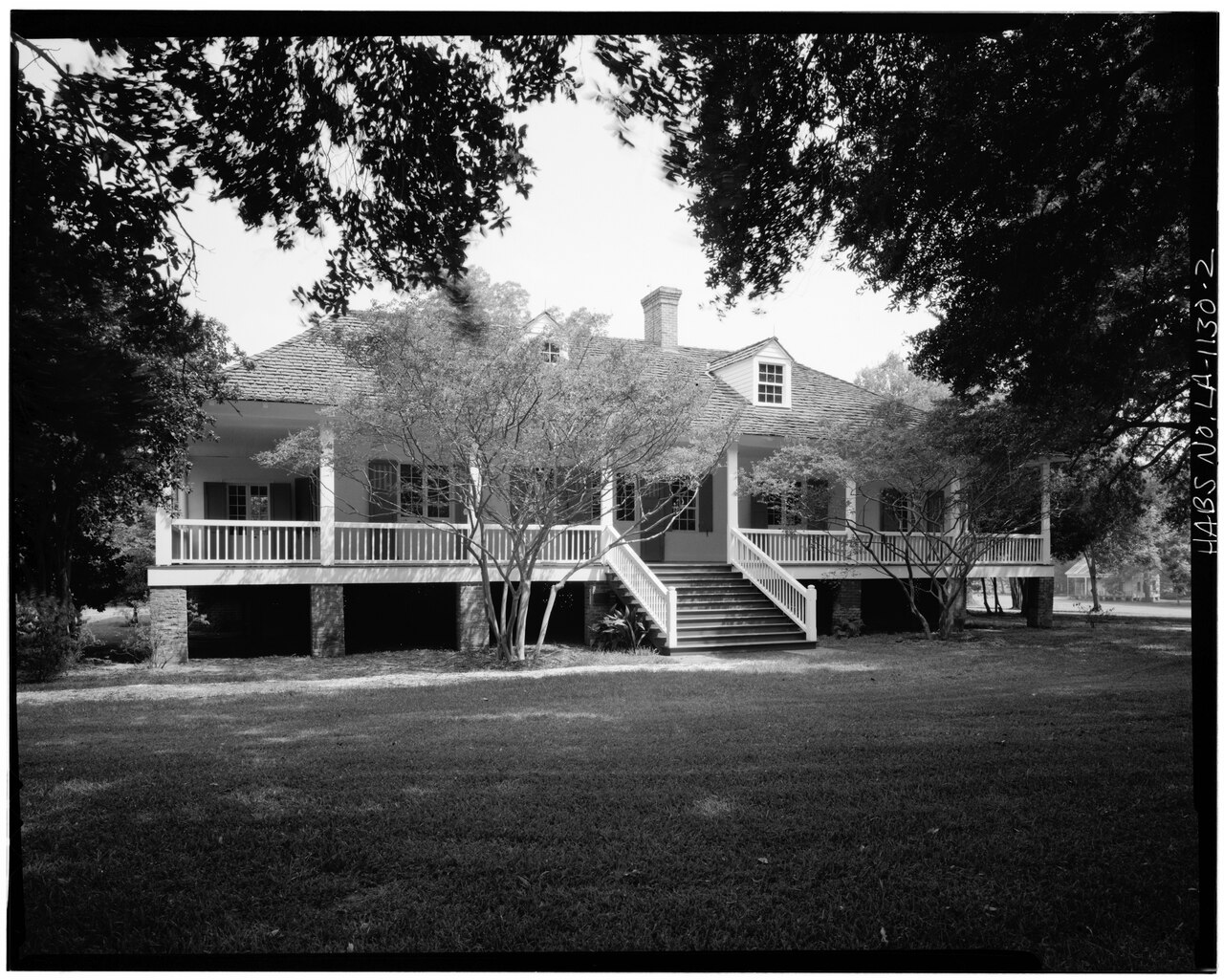
The LSU Rural Life Museum is one of the most absorbing history stops in Louisiana, and it is an outdoor museum. Set on the Burden family land, it gathers dozens of historic structures that were moved here or built to show how ordinary Louisianans lived from the late 1700s to the early 1900s. Instead of a grand mansion, the focus is the working world around it: a plantation commissary, a sugar house, a blacksmith shop, a sugar kettle, a country church, a schoolhouse, a shotgun house and the cabins where enslaved people lived. The buildings are arranged in themed areas, so you move from a plantation layout to a folk architecture section to a Louisiana Acadian homestead. Interpretive signs explain what you are seeing, and the museum's focus on everyday life and unvarnished history makes it an important companion to the plantation tours elsewhere in the region.
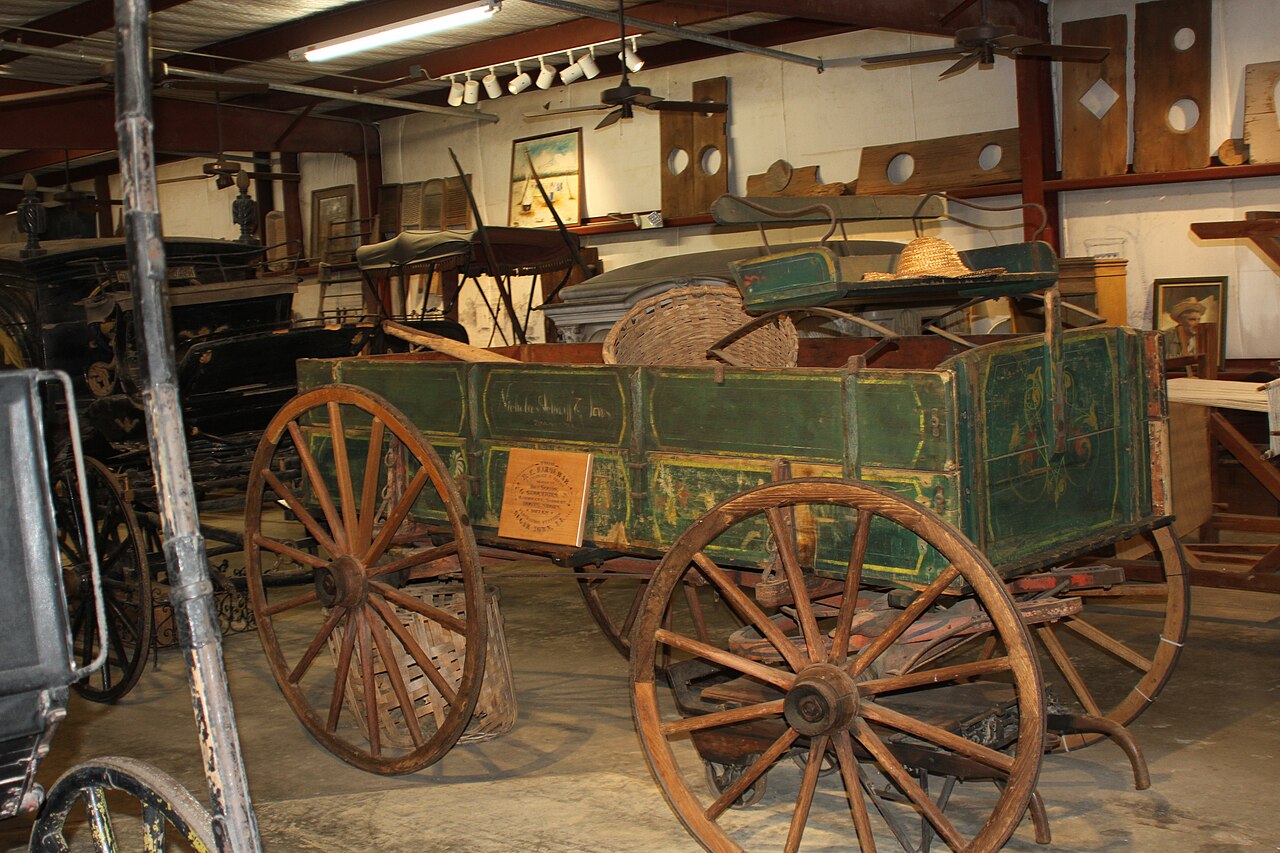
Around the village sit the Windrush Gardens, planted by landscape designer Steele Burden. The garden paths, winding among oaks and azaleas, are a lovely place to walk in spring when the azaleas bloom, and they make the museum a pleasant stop for couples as well as families. The museum also includes exhibits on Louisiana's folk life, from tools and household objects to farm equipment, and a collection of vehicles and wagons.
Most visitors walk the grounds at their own pace, which takes one to two hours. Wear comfortable shoes, bring water and insect repellent in warm months, and watch for uneven ground on the older paths. Many visitors find the experience more thoughtful than a house tour, because it centers on the labor and daily life of people who built the region. The enslaved people's quarters and exhibits on sugar production are especially sobering, and they give weight to later visits to Rosedown and Magnolia Mound.
The museum is on the LSU side of town, so it combines easily with the Tiger habitat and campus. Seasonal events sometimes bring living history demonstrations, so check the calendar if you want a livelier day. Admission is modest, and hours vary by season, with a weekly closure on some days.
Allow time for the details. In the folk architecture section, notice how builders used local cypress, raised floors above damp ground and added deep porches to catch breezes, solutions that make sense in a hot, wet climate. The sugar and farm equipment tells the story of the labor that supported the region's economy, and the church and schoolhouse give a sense of community life.
The exhibits about the people who were enslaved here are handled seriously and should be part of any visit. Plan your route so you can stop in the shade, and consider visiting on a cool morning when the paths are quiet and the light on the weathered wood is beautiful.
Children often enjoy guessing what unfamiliar tools were used for, and older visitors may recognize items from their grandparents' homes. The gardens add a calm finish, with benches under the trees. The museum is also a gentle introduction for children who find formal house tours long, because there is room to roam, animals and tools to spot, and plenty of outdoor air between buildings.
What to expect
The experience
A self-guided walk through an open-air village of historic Louisiana buildings and the Windrush Gardens.
Best time
Spring for azaleas, fall for mild weather. Mornings are best in summer.
How long
Ninety minutes to two hours.
Tips
Wear walking shoes, bring water and repellent and check the calendar for living-history days.
Quick picks
- Best for
- History fans who want everyday Louisiana life rather than grand houses.
- Families
- Open space and varied buildings keep children interested.
- Couples
- The gardens in spring bloom.
- Pair with
- The Mike the Tiger habitat and the LSU campus.
- Time needed
- Two hours.
Good questions
What is the Rural Life Museum?+
An outdoor museum of historic buildings and artifacts that shows everyday life in Louisiana from the 1700s to the early 1900s.
Does it cover slavery?+
Yes. The museum includes cabins and exhibits about the lives of enslaved people on Louisiana plantations.
Is it mostly outdoors?+
Yes. Plan for weather and bring water.
Are there gardens?+
Yes. The Windrush Gardens surround the village and are especially beautiful in spring.
Is it connected to LSU?+
Yes. It is run by Louisiana State University and sits near the campus.