Beirut has a Mediterranean climate, with hot, humid summers and mild, wet winters, and each season has its own pleasures. The best time depends on what you want to do, and the country is compact enough that you can swim in the sea and see snow on the same day in winter.
Spring (March to May)
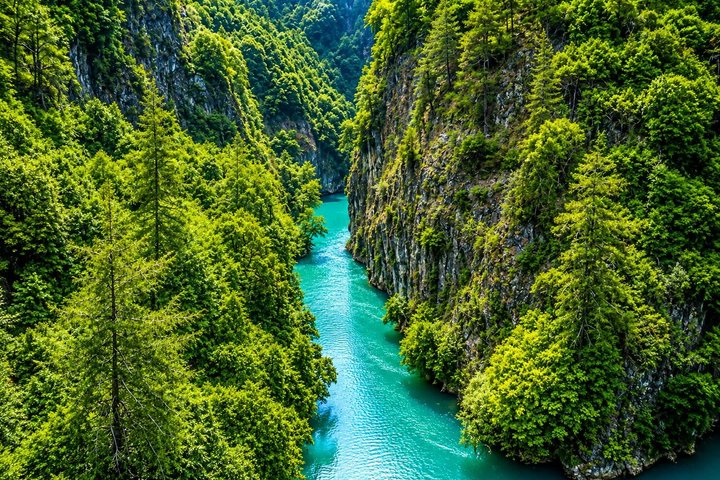
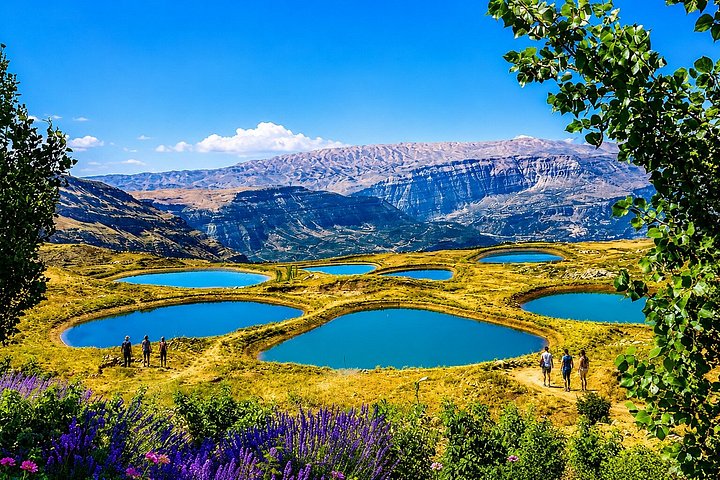
Many people consider spring the ideal season. Temperatures are mild, the hills are green, wildflowers bloom and waterfalls such as Baatara run strongest with snowmelt. It is perfect for hiking in the Jabal Moussa reserve, for exploring ruins at Baalbek and Byblos, and for walking in the city. Showers are possible early in the season, and the sea is still cool.
Summer (June to August)
Summer is hot and humid on the coast, with sunny days and warm nights. It is the season for beaches, rooftop bars and seaside restaurants, and the sea is perfect for swimming. Hotels with seasonal pools open them, and festivals, including the music and arts programme at Beiteddine, enliven the calendar. The mountains are cooler, which makes the Cedars and the Chouf pleasant escapes. Sightseeing in exposed ruins should be done early or late, with water and sun protection. Prices and crowds peak when Lebanese expatriates return for the holidays.
Autumn (September to November)
Autumn is another excellent season. The sea remains warm into October, the light is golden and the heat eases. The wine harvest takes place in late summer and early autumn, which is a good moment to visit the Bekaa Valley. Early rains may arrive late in the season. Many travellers pick autumn for a balance of weather and fewer crowds.
Winter (December to February)
Winter on the coast is cool and rainy, with grey days but also bright, clear spells. Museums, cooking classes, food tours and cafes shine at this time. In the mountains, snow arrives, and ski resorts such as Mzaar open, often within a couple of hours of Beirut. Some mountain roads can be closed after snowfall, and outdoor sites such as the Cedars may have limited access. Some outdoor pools and attractions close, and the Jeita Grotto and some museums observe maintenance periods, so check before you plan.
Planning by interest
For ruins and hiking, choose spring or autumn. For beaches and nightlife, choose summer. For wine, aim for the harvest. For skiing, choose winter, ideally mid-winter. For food and culture without crowds, choose late autumn or early spring.
Packing
Pack light cotton layers for summer, with sun protection and a scarf for visiting religious sites. In spring and autumn, bring a light jacket and comfortable walking shoes. In winter, bring a waterproof jacket and warm layers for the mountains. A swimsuit is useful for most of the year, since seasonal pools and beaches open from late spring.
Holidays and events
Religious holidays and public holidays can affect opening hours, and some businesses close for a day or two. Check the calendar for the period of your visit. Expect higher demand for hotels around major festivals and holiday weekends, and book early. Weather can change quickly in the mountains, so check forecasts before day trips. In all seasons, review your government's current travel advice and confirm that tours and sites are operating.
Crowds and prices
Peak demand falls in July and August and around the winter holidays, when many families return to visit relatives, and hotel prices follow. April, May, September and October are often calmer and cheaper, with the added bonus of pleasant temperatures for walking tours and day trips. Weekdays are quieter than weekends at popular sites such as Jeita Grotto and Byblos, which fill with local families on Saturdays and Sundays.
Sea and swimming
The Mediterranean warms slowly: swimming is comfortable from about May and stays pleasant into October, with beach clubs along the coast open for most of that period. In the shoulder months, hotel pools may be heated or closed, so check before you pack.
Daylight and timing
Days are long in summer, with sunset after seven in the evening, and short in winter, when it gets dark by five. That affects day trips and sunset plans, so match your itinerary to the season. In all seasons, an early start makes for the best light and the smallest crowds, and a late lunch keeps you in tune with local rhythms.