Food is the language of Lebanon, and Beirut is where it is spoken loudest. The cuisine is generous, fresh and varied, built on herbs, olive oil, lemon, grains, legumes and grilled meat, and it is shaped by a long coastline, a fertile interior and the diversity of the people who settled here. You can eat extremely well at every price level, from a few-minute snack on a street corner to a long dinner on a terrace.
Breakfast and bakeries
The classic start is manoushe, a flatbread baked fresh and topped with za'atar and olive oil, cheese, or spiced minced meat. Bakeries sell them folded or rolled and wrapped in paper, and locals eat them standing up with tea. Other breakfast dishes include ful, a fava bean dish, hummus, eggs with sujuk, labneh with olive oil and a plate of vegetables. Many cafes offer a large spread to share.
Street food
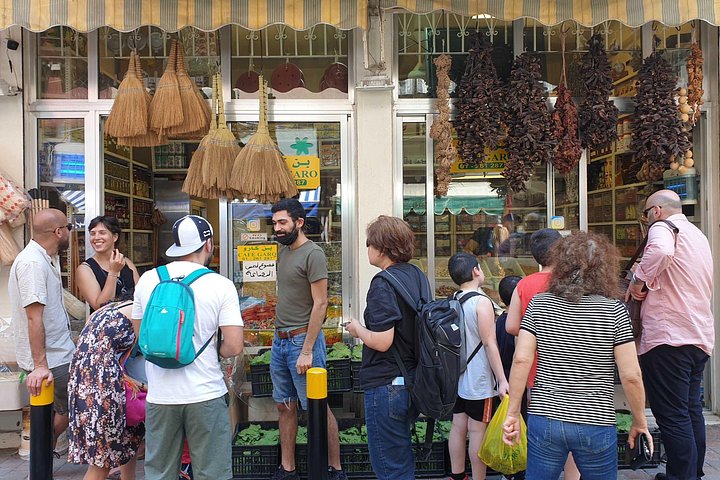
Falafel and shawarma are everywhere. Shawarma comes with garlic sauce and pickles in a thin wrap, in chicken or beef versions. Sandwiches of grilled halloumi, kafta or potatoes are also popular. Juice bars squeeze oranges, pomegranates and carrots to order and make thick fruit cocktails topped with nuts and cream. A guided street food tour is the fastest way to find the best addresses, and several operators run them in different parts of the city.
Mezze
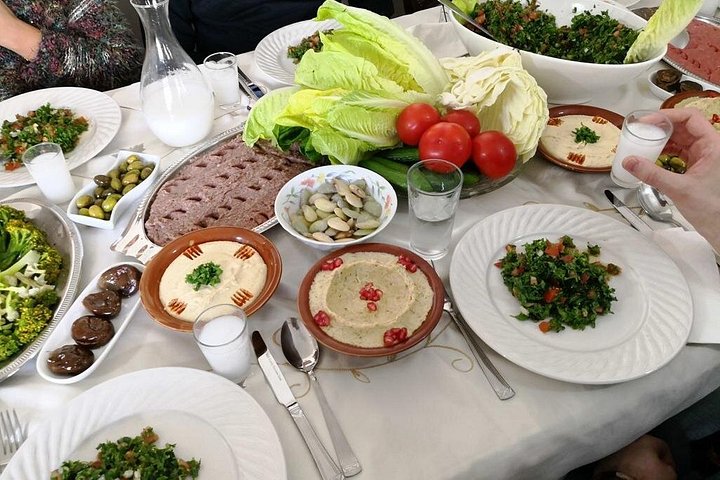
The centrepiece of a Lebanese meal is the mezze, a table of small dishes that keep arriving. Expect hummus, mutabbal, tabbouleh with plenty of parsley, fattoush with toasted bread and sumac, stuffed vine leaves, kibbeh, cheese rolls and grilled halloumi. Then come the grills: skewers of chicken, lamb or kafta. Order for the table and share. Vegetarians are very well served because so many dishes are plant-based.
Sweets and coffee
Knefeh, a warm cheese pastry with syrup, is a signature dessert, often served in a sesame bun at breakfast. Baklava, ma'amoul and ice cream flavoured with rose water or orange blossom are popular, and the north, especially Tripoli, is the sweets capital. Coffee is served strong and often scented with cardamom, and cafes stay open late.
Wine and arak
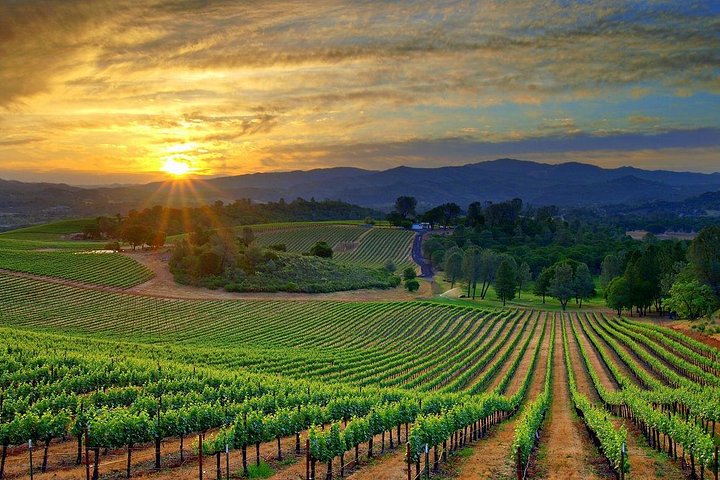
Lebanon has a serious wine tradition, with vineyards in the Bekaa Valley, Batroun and the mountains. Reds, whites and rosés are all available in Beirut restaurants and wine bars. Arak, the aniseed spirit, is mixed with water and ice, which turns it milky, and is traditionally enjoyed with mezze. A day trip to Ksara and the Bekaa wineries lets you taste at the source.
Where to eat
Gemmayzeh and Mar Mikhael have the most concentrated dining, with a mix of traditional restaurants, modern bistros and bars. Hamra has cheap, quick places along with long-standing cafes. Downtown has polished restaurants, and the seafront has terraces with sea views. Dinner starts late, so book ahead for popular places on weekends.
Cooking at home
If you want to take the flavours home, join a cooking class with a local family and learn how to roll vine leaves and make hummus from scratch. Bring home sumac, za'atar, pomegranate molasses and olive oil from specialist shops.
Etiquette and tips
Meals are social and unhurried, and tipping is customary where service is not included. Ask about vegetarian and allergy options, which are generally easy to arrange. Tap water is not usually recommended for drinking, so choose bottled water. If you are invited to a home, bring sweets or flowers, and accept second helpings graciously.
A sample day of eating
Start with a manoushe and tea at a corner bakery, then walk to a museum or the Corniche. Have a late lunch of mezze and grilled fish or chicken, and pause in the afternoon for coffee and a sweet. Dinner begins around eight or nine, perhaps in Gemmayzeh or Mar Mikhael, with a glass of Lebanese red and a second round of dishes, then a late-night stop for ice cream or knefeh. Eating this way, in rhythm with the city, is one of the real joys of the trip.
Dietary needs
Lebanese food is friendly to vegetarians and vegans, since much of the mezze is based on vegetables, legumes and olive oil. Tell staff about nut, gluten or dairy allergies clearly, because ingredients such as tahini, pine nuts and yoghurt are common. Halal food is the norm in most places, while pork and alcohol are available in many restaurants and bars, particularly in Christian-majority districts.