Bermuda is only about twenty miles long and a mile or so wide at most, but it rewards a plan. The island is spread along a single thin curve, so the question is less what to see than how to link the pieces without losing days to transport. This guide gives the order of operations for a first visit.
How many days
Three days will cover the headline sights, but four or five is the sweet spot, because it leaves slack for the weather, which decides the boat trips. In November that slack matters more than in summer: sailings depend on the sea and on a minimum number of passengers, and the number of departures thins as the cruise season ends. Put your boat day early in the trip, so that a cancelled sailing can move to a later day.
What to book ahead
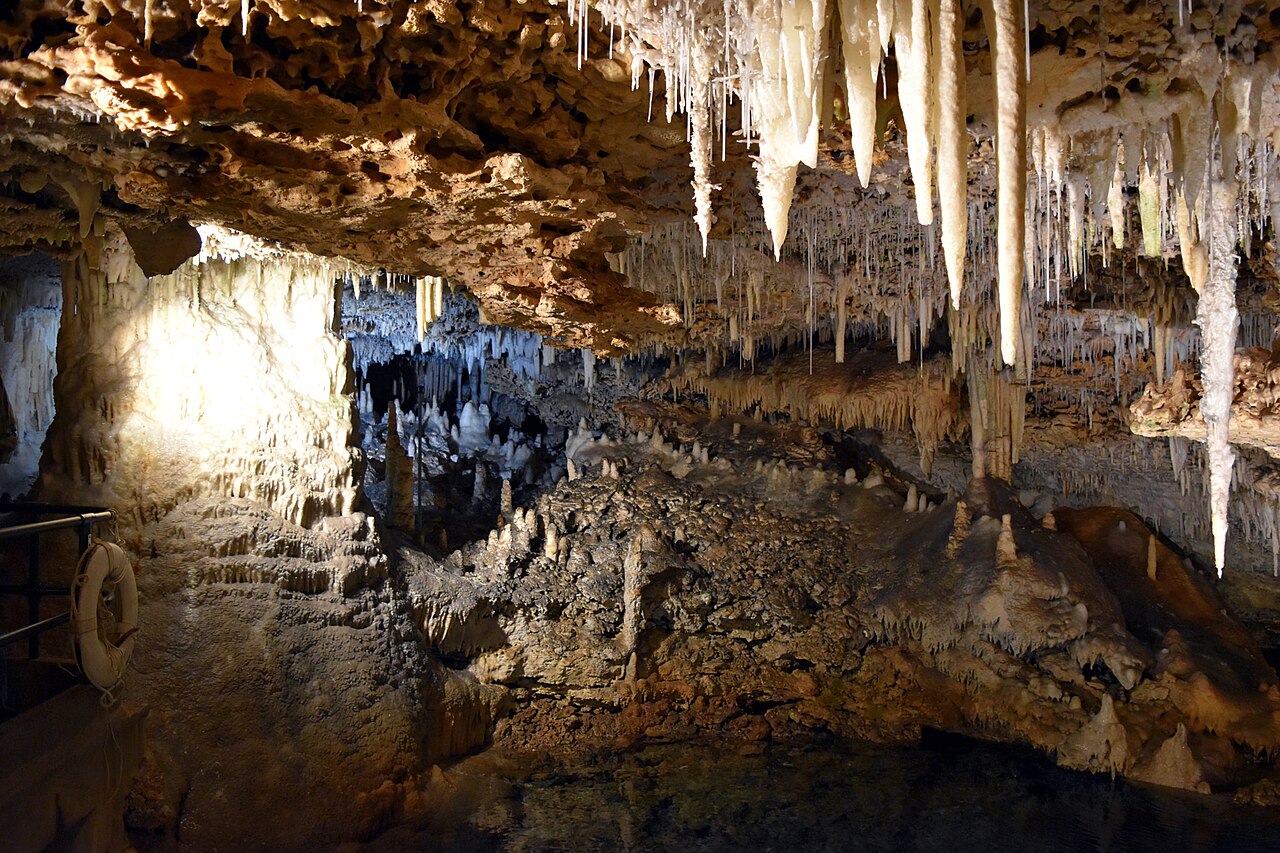
Book the water: the catamaran cruise with snorkelling and a rum swizzle, the two-stop shipwreck snorkel and the glass-bottom boat cruise all leave from the Dockyard Watersports Centre in the Royal Naval Dockyard, and all have free cancellation up to a day ahead. Reserve the Crystal and Fantasy Caves if cruise ships are in port, since walk-ins are welcome but waits vary. Book a Hamilton food tour for your first afternoon, because it doubles as an orientation. Everything else, including Horseshoe Bay, St. George's and the National Museum, can be done without a reservation.
How to get around
Visitors cannot rent cars in Bermuda, and traffic drives on the left. That leaves four options. Public buses run from the Hamilton terminal to nearly every corner, public ferries cross the Great Sound between Hamilton and the Dockyard, taxis are plentiful but not cheap, and scooters and e-bikes are the independent choice for confident riders. Hamilton is the hub, so a hotel in town makes bus and ferry days easy, while a resort on the south shore or east end trades that convenience for beach access. Ask your hotel about transfers when you book.
Where the sights fit
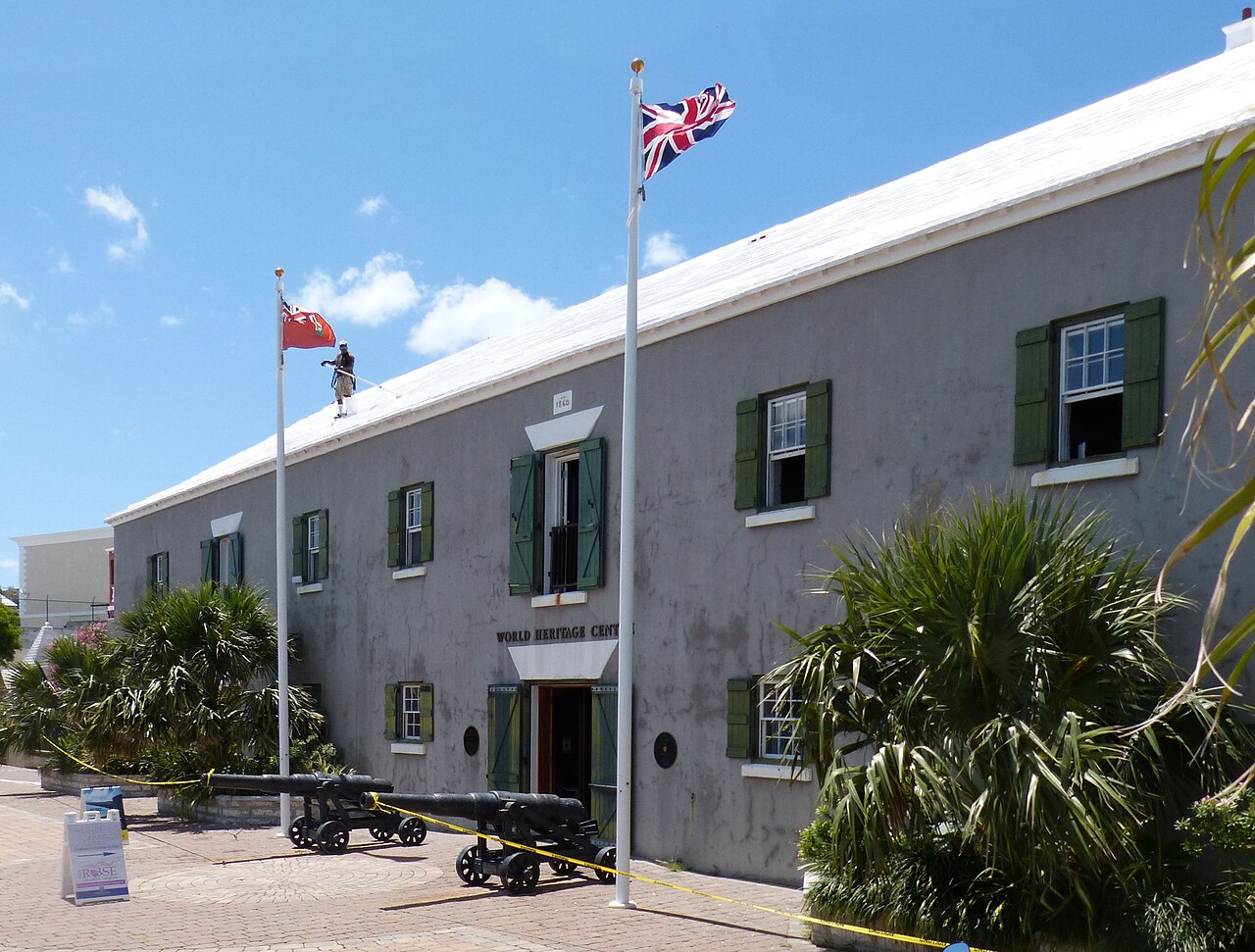
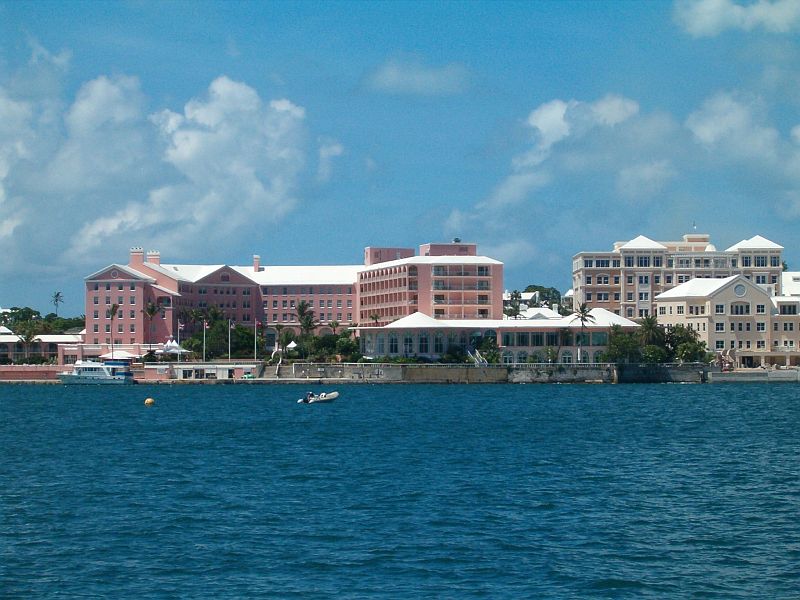
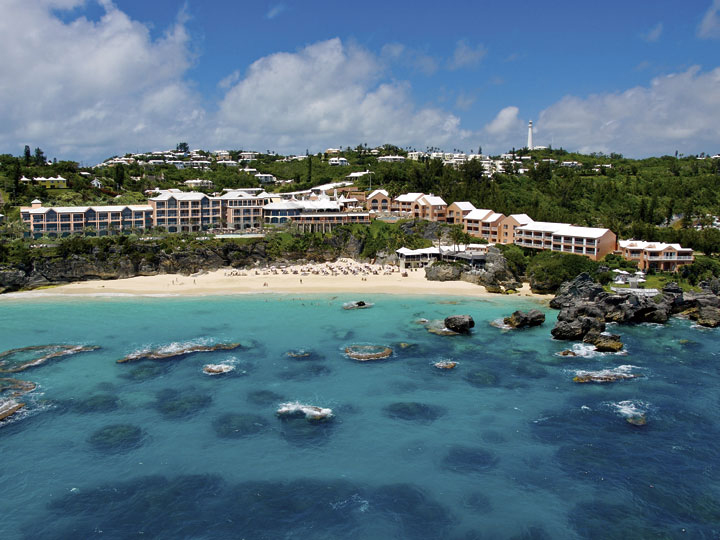
Think in four zones. The west end is the Royal Naval Dockyard and the National Museum of Bermuda, the boat trips and Somerset Village. The south shore has Horseshoe Bay, the coastal path to quieter coves and Gibbs Hill Lighthouse. Hamilton is the capital, with Front Street, restaurants and the food tour. The east end holds the Crystal and Fantasy Caves, the aquarium at Flatts and the UNESCO town of St. George's. A good rhythm is one zone per day: Dockyard and a boat trip, then the south shore, then Hamilton, then the east end.
November notes
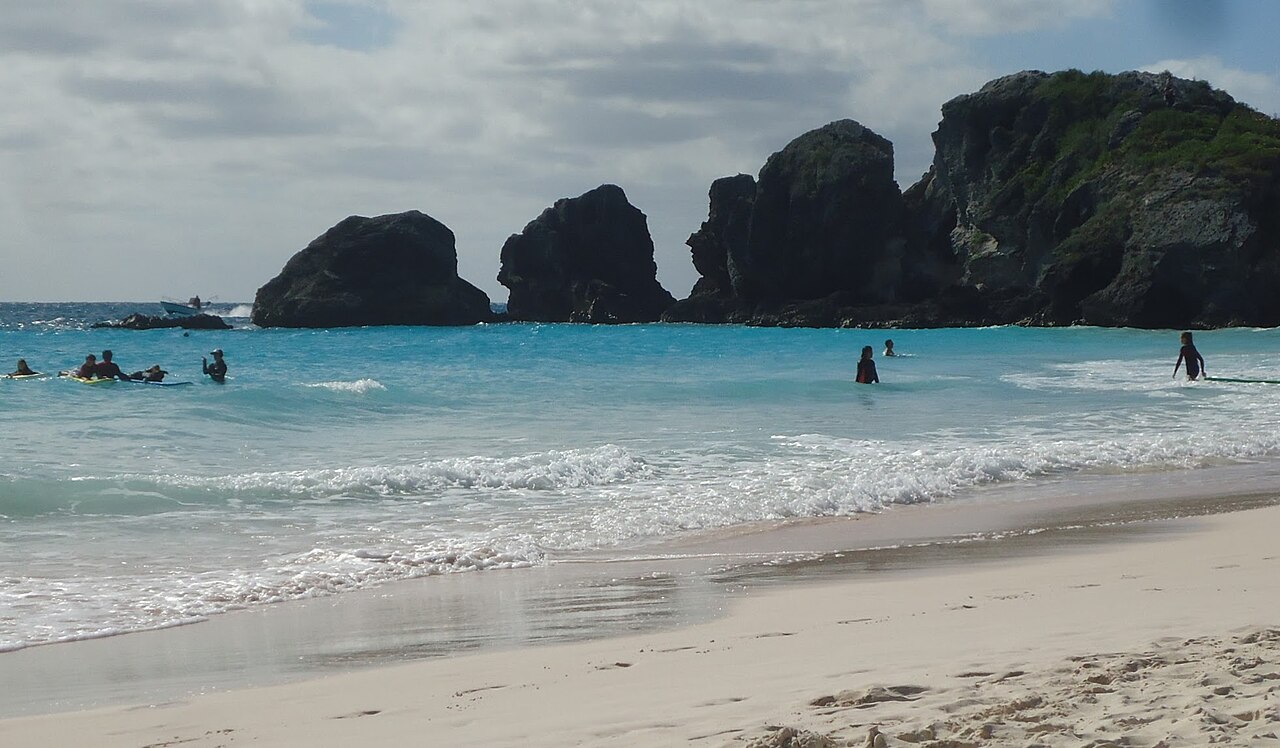
This is shoulder season, so the weather is mild, the beaches are far less crowded and prices ease, but some things change. Lifeguards at the south shore beaches normally run May to October, so swim cautiously near the shore. Gibbs Hill Lighthouse closes every February, and maintenance works were announced for 2026, so phone before you climb. The Crystal Caves close on 1 January, Good Friday and 24 to 26 December, so November is clear, and the aquarium closes only on Christmas Day. The sea is cooler, so bring a rash guard and a layer for boats. Hurricane season officially ends on 30 November, so keep an eye on the forecast and choose flexible bookings.
A simple plan
Day one, ride the ferry to the Dockyard, visit the museum and take the glass-bottom boat. Day two, take the catamaran cruise in the morning and walk the ramparts in the afternoon. Day three, spend the morning at Horseshoe Bay and climb Gibbs Hill if it is open. Day four, join the Hamilton food tour, then browse Front Street. Day five, head east for the caves, the aquarium and a slow afternoon in St. George's. Eat well, tip as the bill suggests and leave time for doing nothing on a pink beach.