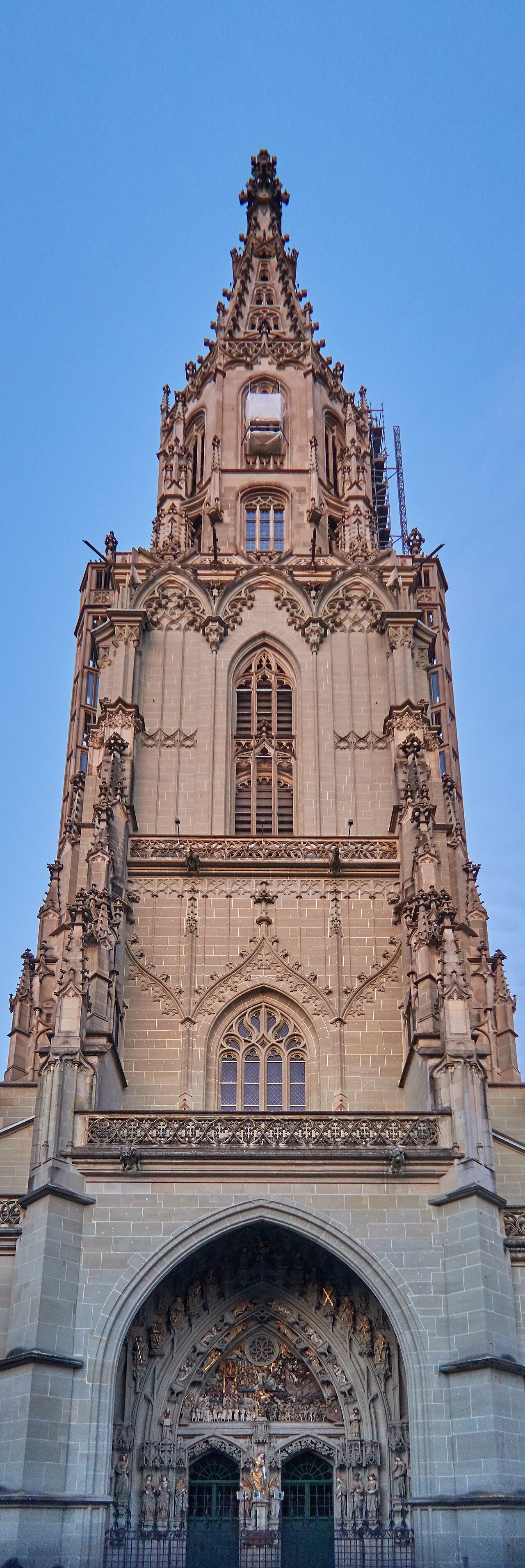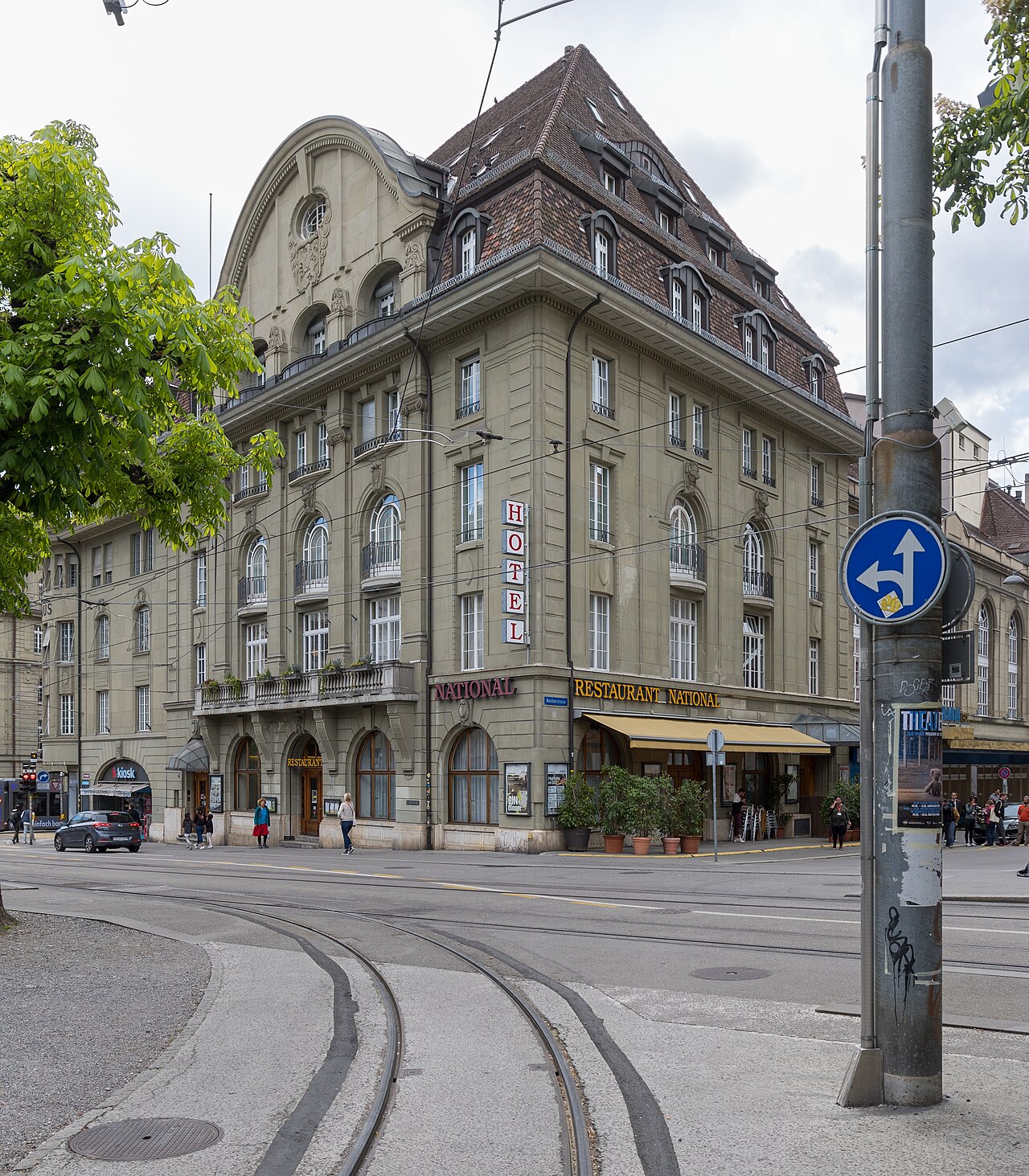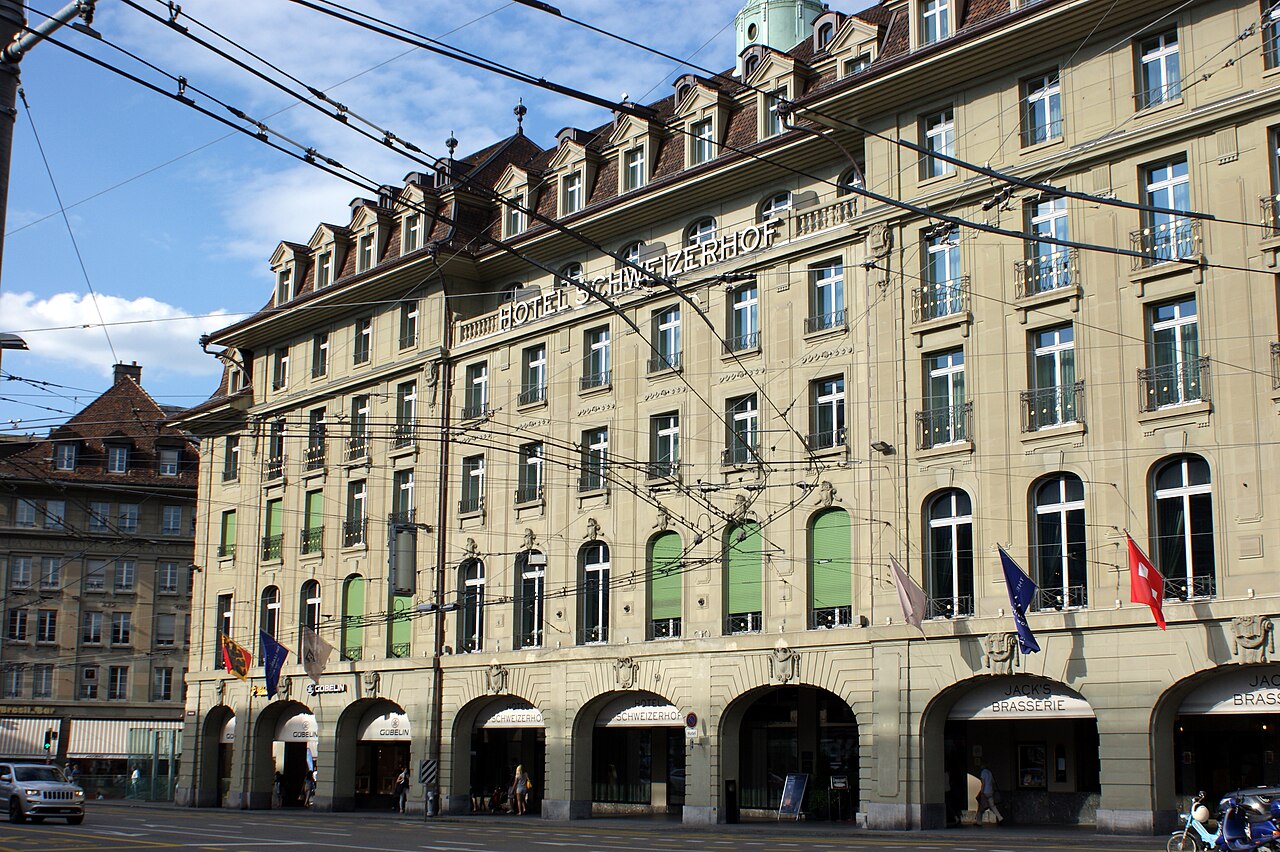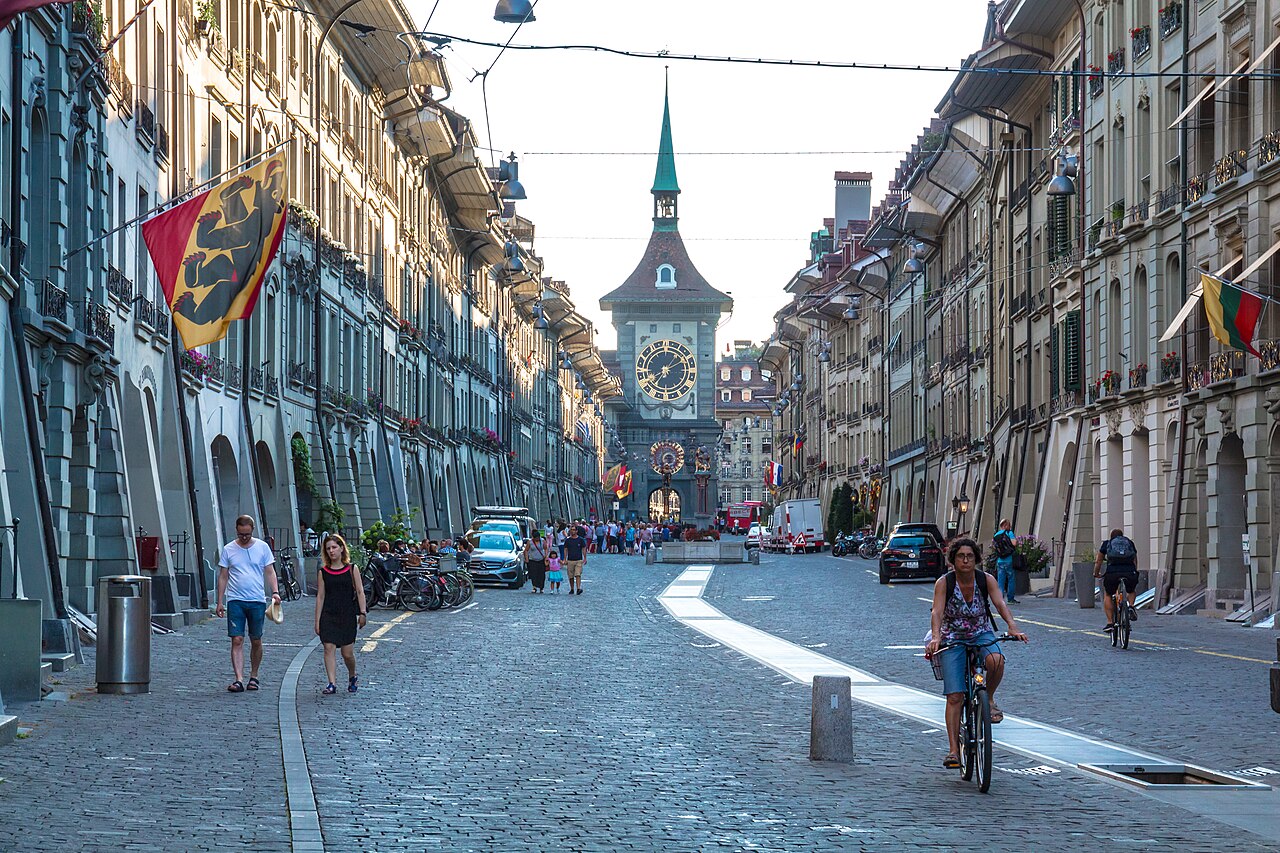
Bern Old Town sits on a narrow peninsula formed by a tight loop of the River Aare, and it is one of the best preserved medieval city centres in Europe. UNESCO inscribed it as a World Heritage site in 1983, and the reason is easy to see within minutes of leaving the railway station. Streets of pale grey-green sandstone run in long parallel lines, with the Kramgasse, Gerechtigkeitsgasse and Marktgasse forming the main axis. Along almost every street the upper floors are carried over the pavement on stone arches, creating the Lauben, a continuous run of covered arcades that is usually described as around six kilometres long. Shops, cafes, galleries and cellar bars occupy the arcades and the vaulted basements below them, so you can browse in a downpour without once opening an umbrella. The city was founded in 1191 and rebuilt in sandstone after a great fire in 1405, which explains the unified look of the streets. Down the middle of the main streets stand colourful figure fountains from the sixteenth century, each topped by a painted statue, and the clock tower, the Zytglogge, marks the heart of the old centre. Because the whole area is compact and mostly car-free, it is a place to wander without a plan, and it works equally well on a short stopover and on a full weekend.
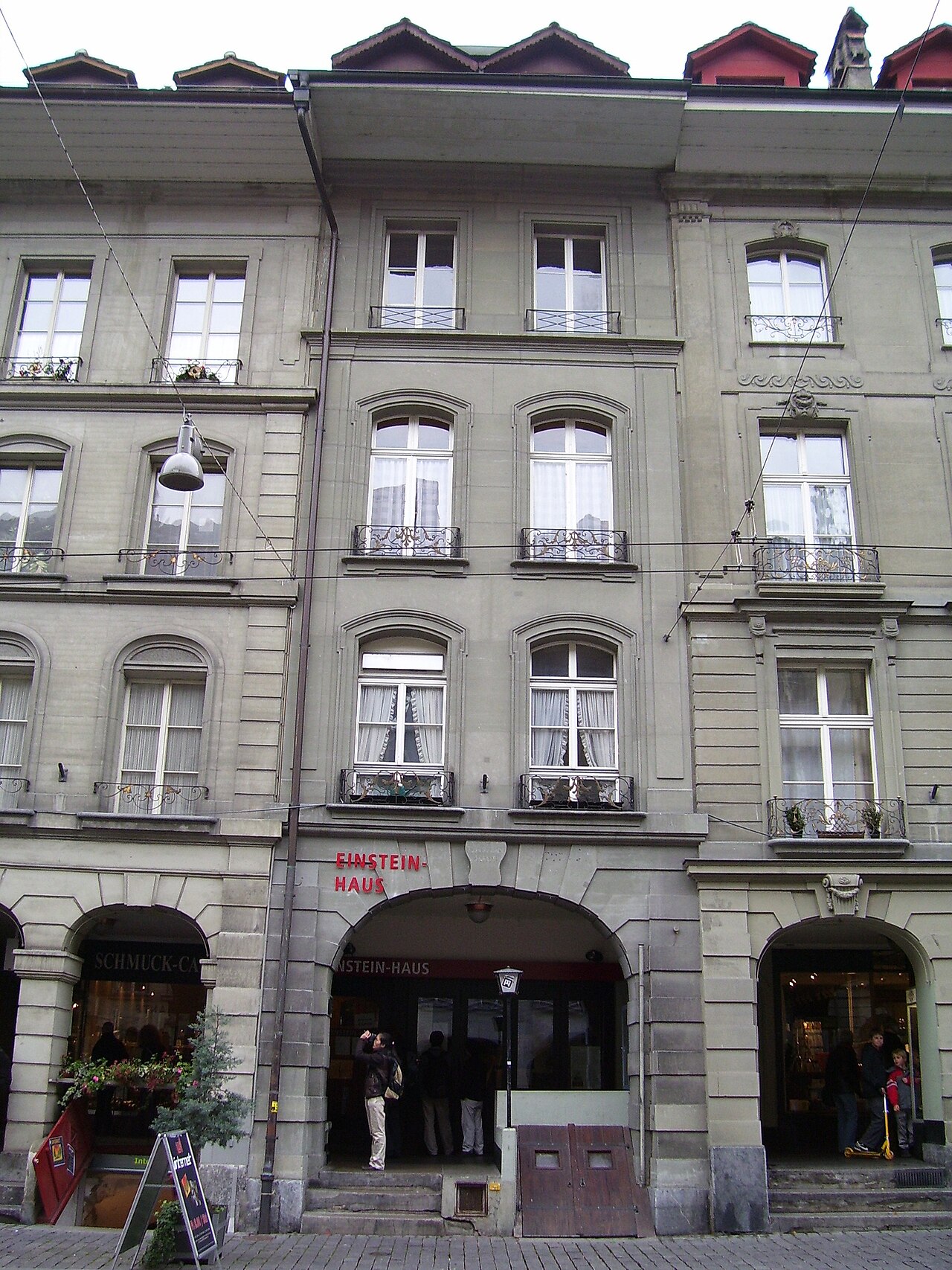
The simplest way to see the Old Town is to walk its length from west to east. Start near the station at the Käfigturm and Marktgasse, continue under the Zytglogge into Kramgasse, pass the house where Albert Einstein lived, and keep going down Gerechtigkeitsgasse to the Nydegg Bridge and the river. The walk is about two kilometres and flat, but it feels longer because of the shop windows, the cellar doors and the side lanes.
Look down as well as up. Many arcades have steep stairs leading into vaulted cellars that now hold theatres, wine bars, small restaurants and craft shops, and some of the fountains have carved details that are easy to miss from the street.
Markets add to the picture. Bern holds produce markets through the week in its squares and on Bundesplatz, and in winter the Old Town hosts Christmas markets with stalls spread through several squares. Late in autumn the city also has its famous onion market, a local festival that fills the centre with stalls and costumes. If you visit out of season, the arcades are the reason the Old Town still works in wet or cold weather, and the evening lighting on the sandstone is excellent for photographs.
Shops generally close earlier than in other European capitals and many are shut on Sundays, so plan purchases in advance and use Sunday for museums, the river or the viewpoints.
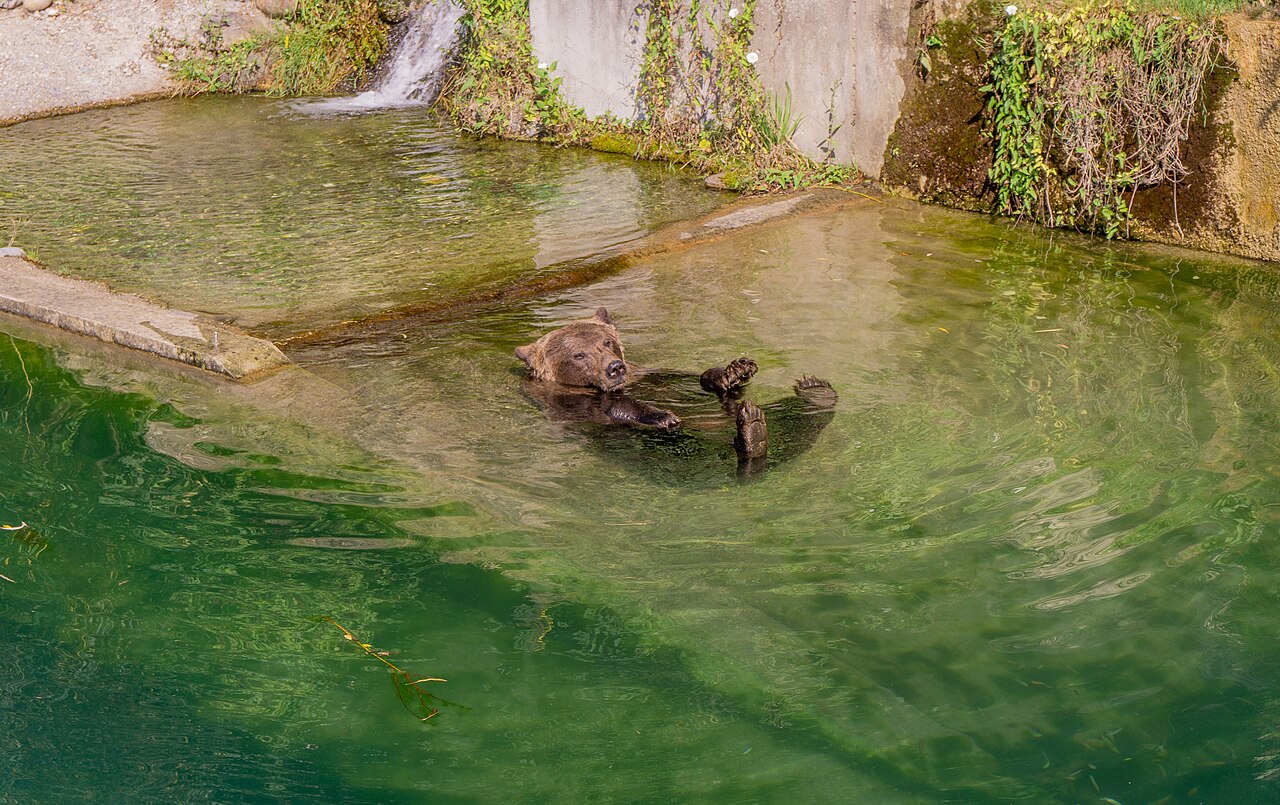
For context and stories, a guided walk adds a lot, because the decoration on the fountains and the history of the bear emblem are not explained on the street. A good self-guided route can also follow the viewpoints, taking in the Rosengarten, the Nydegg Bridge for the classic river bend and the Bear Park.
Free entry to the Old Town makes it the best-value part of any visit. Wear comfortable shoes, because the paving is cobbled in places and the streets slope down toward the river. Allow at least half a day, and plan to come back in the evening when the arcades are lit and the day visitors have left.
What to expect
The experience
A self-guided walk through a car-free medieval centre of arcaded streets, fountains and cellar shops.
Best time
Morning for quiet streets, or evening when the arcades are lit; the covered arcades make it work in any weather.
How long
Two hours for the main street, half a day with the viewpoints and a stop for lunch.
Tips
Wear shoes for cobbles, remember that many shops close on Sundays, and look down into the arcade cellars.
Quick picks
- Best for
- Anyone with a few hours, in any weather.
- Families
- The fountains and the bears are easy wins; the cobbles are tricky for buggies.
- Couples
- Walk the arcades at dusk, then cross the Nydegg Bridge for the river view.
- Pair with
- The Zytglogge, the Bear Park and the Rosengarten.
- Time needed
- Half a day.
Good questions
Is Bern Old Town a UNESCO site?+
Yes. The Old Town was inscribed as a World Heritage site in 1983, recognised for its medieval layout and its sandstone buildings, which were largely rebuilt after the fire of 1405.
How long are the arcades?+
They are usually described as about six kilometres in total, one of the longest covered shopping promenades in Europe. They line the main streets of the Old Town and keep you dry in any weather.
Can I visit on a Sunday?+
Yes, the streets are always open, but most shops are closed on Sundays. Museums, restaurants and cafes keep their own hours, so it is a good day for sightseeing rather than shopping.
Is the Old Town suitable for wheelchairs and buggies?+
The main streets are level and mostly paved, but cobbles and a few steps into arcades and cellars can make it harder. The streets down toward the river are steeper.
How much time does it need?+
Plan on two hours for the main street and half a day if you add the viewpoints, the Bear Park and a long lunch.