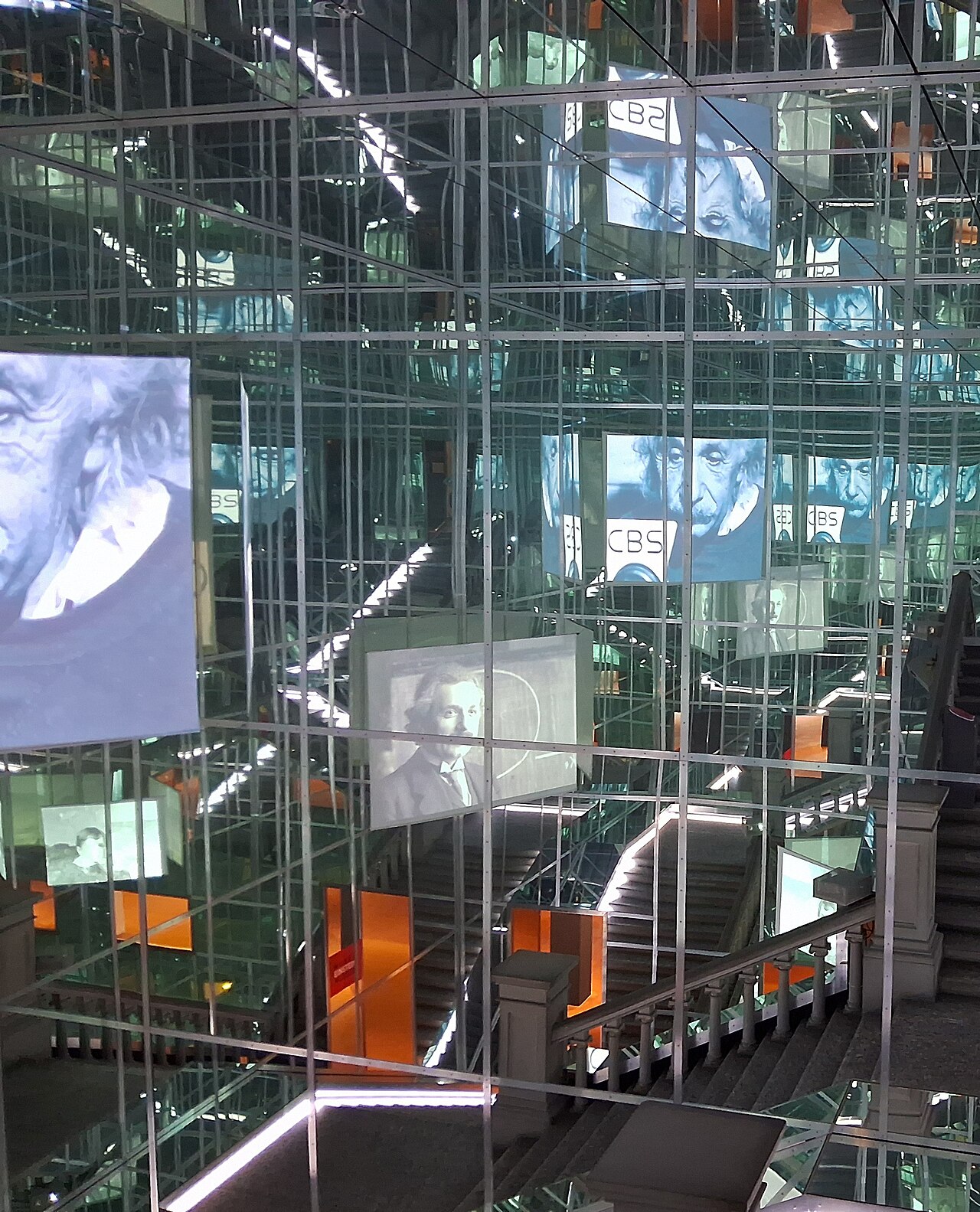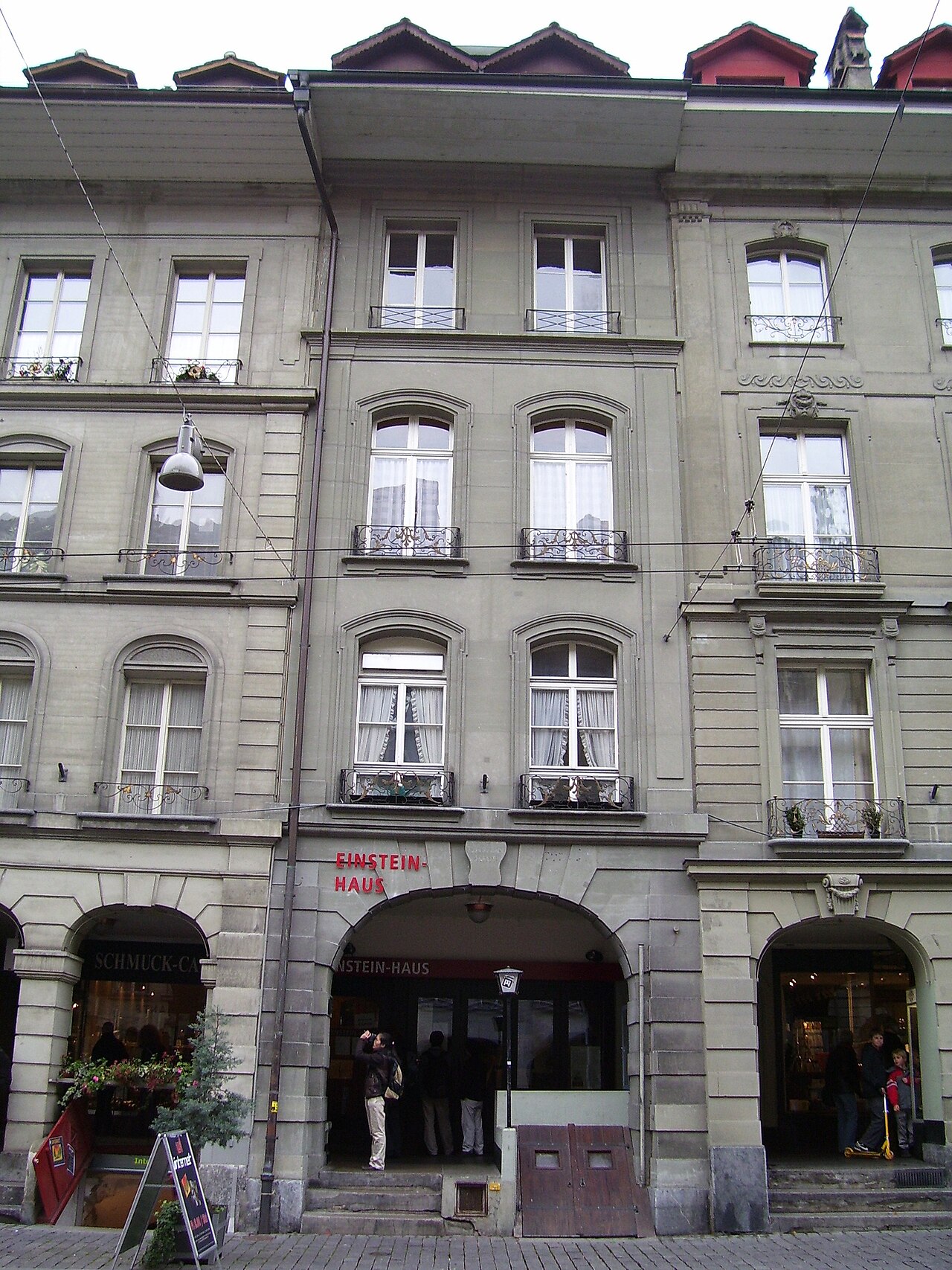
Albert Einstein arrived in Bern in 1902, when he found work as a technical examiner at the Swiss Patent Office, and he lived with his wife Mileva Marić in a small apartment on the second floor of Kramgasse 49 from 1903 to 1905. Those years are often called his miracle year, since in 1905 he published papers on the photoelectric effect, Brownian motion and special relativity, work that changed physics. The apartment is now a small museum, and the interior is set up to show how a young family lived at the time, with period furniture, family photographs, letters and documents. Rooms are modest, and the visit does not take long, but the intimacy is the charm. You climb a narrow stair above the street, enter a flat that could be any modest home of the period and learn how a clerk working at a desk in the patent office found time to reshape science. Short films and panels explain the ideas of relativity in plain language, so you do not need a physics background.
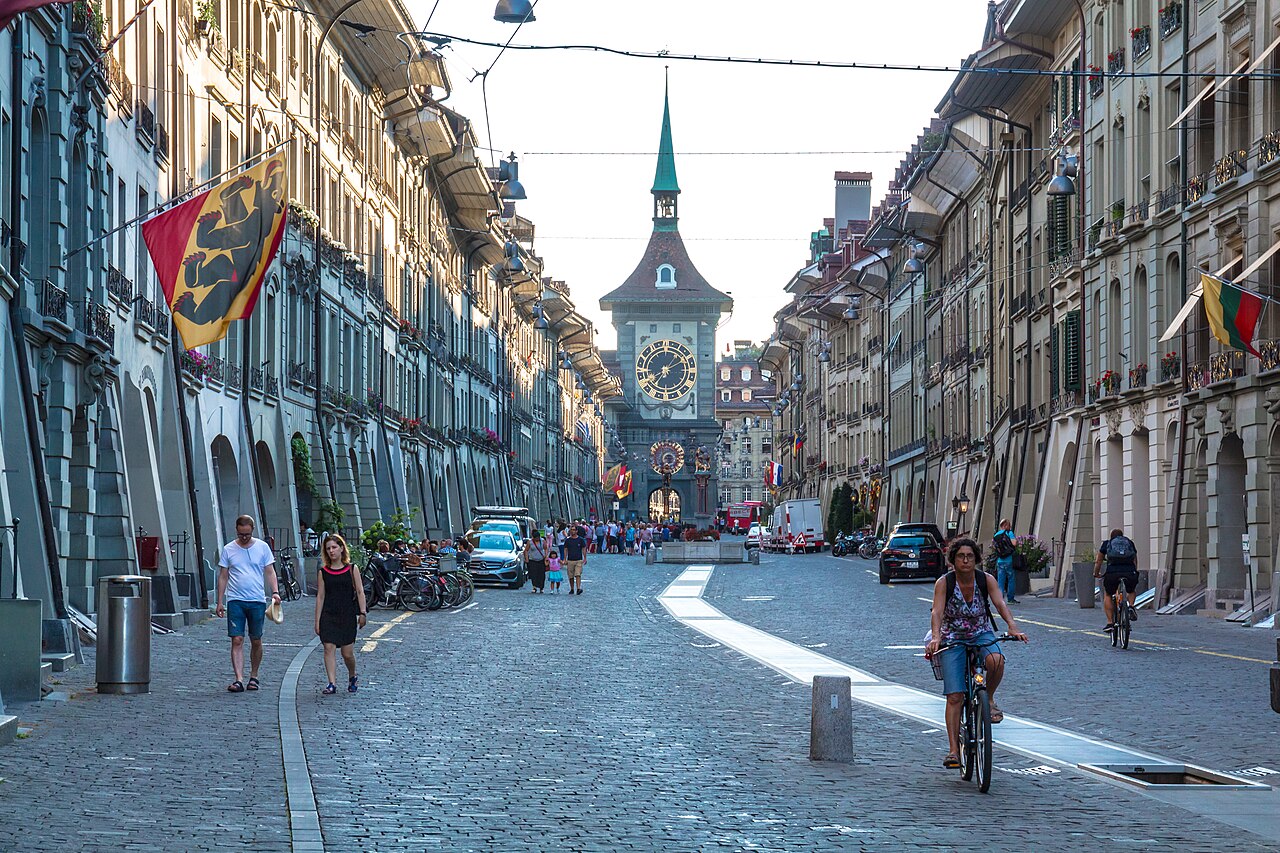
The house is in the heart of the Old Town, a few minutes from the Zytglogge, and the front is marked by a plaque and a small sign. Opening times are limited, with days closed and shorter hours in the low season, so check before you go. Visiting is straightforward: buy a ticket at the door, go up the stairs and look around at your own pace. The rooms are small, and it can feel crowded when a group is inside, so go early or late in the day if you can.
Bern was important in Einstein's life well beyond the apartment. He worked at the patent office a short walk from the Old Town, took part in discussion circles with friends, and later returned to Bern for visits. The city has a wider Einstein trail, and the Albert Einstein Museum at the Bern Historical Museum shows his life in much more depth, with a large collection of original items and an excellent exhibition on the history of physics.
If you have time for only one, choose the museum for depth and the house for atmosphere. Many visitors do both, spending an hour in the house and a morning at the museum.
The surrounding street is worth a slow walk. Kramgasse has fountains, arcades and some of the best cafes in the Old Town, and Einstein would have walked this route on his way to work. Take the time to look at the shop fronts, the cellars and the window displays.
The visit also suits a rainy day, since it is indoors and short. Children usually find the house less exciting than adults do, but the films and photographs help. A simple way to enjoy it is to read a short biography beforehand, so that the rooms come alive as you walk through them.
Allow a few extra minutes for the small shop and the photographs of Bern in the early twentieth century, which show a quiet town very like the one you see today. Einstein later described his years in Bern as among the happiest and most productive of his life, which gives the modest rooms a special meaning. The Old Town walk outside is part of the same story, since the patent office where he worked stood only a short walk away.
What to expect
The experience
A small period apartment museum with photographs, letters and short films about relativity.
Best time
Early or late in the day, when the small rooms are quieter.
How long
About forty-five minutes.
Tips
Check opening days, which are limited, and pair it with the Einstein Museum for depth.
Quick picks
- Best for
- Science fans and anyone curious about Einstein's years in Bern.
- Families
- Teenagers who like science enjoy it; younger children may find it short on action.
- Couples
- A quiet half hour on the Kramgasse.
- Pair with
- The Zytglogge, the Albert Einstein Museum and the Old Town walk.
- Time needed
- Under an hour.
Good questions
Where is the Einstein House?+
At Kramgasse 49 in the Old Town, a few minutes from the Zytglogge clock tower.
When did Einstein live there?+
He lived in the apartment from 1903 to 1905, the years in which he developed special relativity while working at the patent office.
How long does the visit take?+
About forty-five minutes to an hour, which is enough to see the apartment and the displays.
Do I need to know physics?+
No. Panels and short films explain the ideas in plain language.
What is the difference between the house and the Einstein Museum?+
The house is a small period apartment, while the Albert Einstein Museum at the Bern Historical Museum is much larger and covers his whole life and work.