In the spring of 1963, Birmingham was the most segregated big city in the American South, and leaders of the movement chose it deliberately as the place to confront segregation head on. The campaign that followed, with its sit-ins, boycotts, marches and mass arrests, brought national attention to the city, and the violence that met it, along with the bombing of the Sixteenth Street Baptist Church in September, helped push Congress toward the Civil Rights Act of 1964. Much of that history can be visited on foot in a compact downtown district, and this guide suggests how to approach it.
Begin at the Civil Rights Institute
The museum gives you the framework before you step outside. Its galleries move from the Jim Crow world of separate facilities through the organizing of the movement, the Children's Crusade and the aftermath, and they include the jail door from the cell where Dr. Martin Luther King Jr. wrote his Letter from Birmingham Jail. Allow two to three hours and arrive early for quieter rooms. Some footage is intense, so talk to younger children first.
Cross to Kelly Ingram Park
The park lies directly across the street and is where many of the 1963 demonstrations were staged. Sculptures along the path show children facing police dogs and water cannons, and the Four Spirits memorial honors the four girls killed in the bombing. The park is free, open all day and a good place to reflect. Allow forty-five minutes, read the markers and take your time with the figures.
Visit the Sixteenth Street Baptist Church
The church is a working congregation as well as a landmark, so visiting depends on its program. Designed by the Black architect Wallace Rayfield and completed in 1911, it served as a gathering place during the campaign, and on September 15, 1963 a bomb killed Addie Mae Collins, Cynthia Wesley, Carole Robertson and Denise McNair. The sanctuary includes a stained glass window given by the people of Wales. Confirm visiting arrangements ahead of time, dress respectfully and be quiet inside.
Look beyond the core
The wider Birmingham Civil Rights National Monument includes other places of significance, such as the former Gaston Motel, which served as campaign headquarters, and neighborhoods where activists lived and organized. A guided riding and walking tour is the best way to see them, since a guide can connect addresses to events and explain what has changed. The Sacred Ground of 1963 tour is a well-regarded option that focuses on the district, and a self-guided audio walk offers a lower-cost alternative.
Extend the story
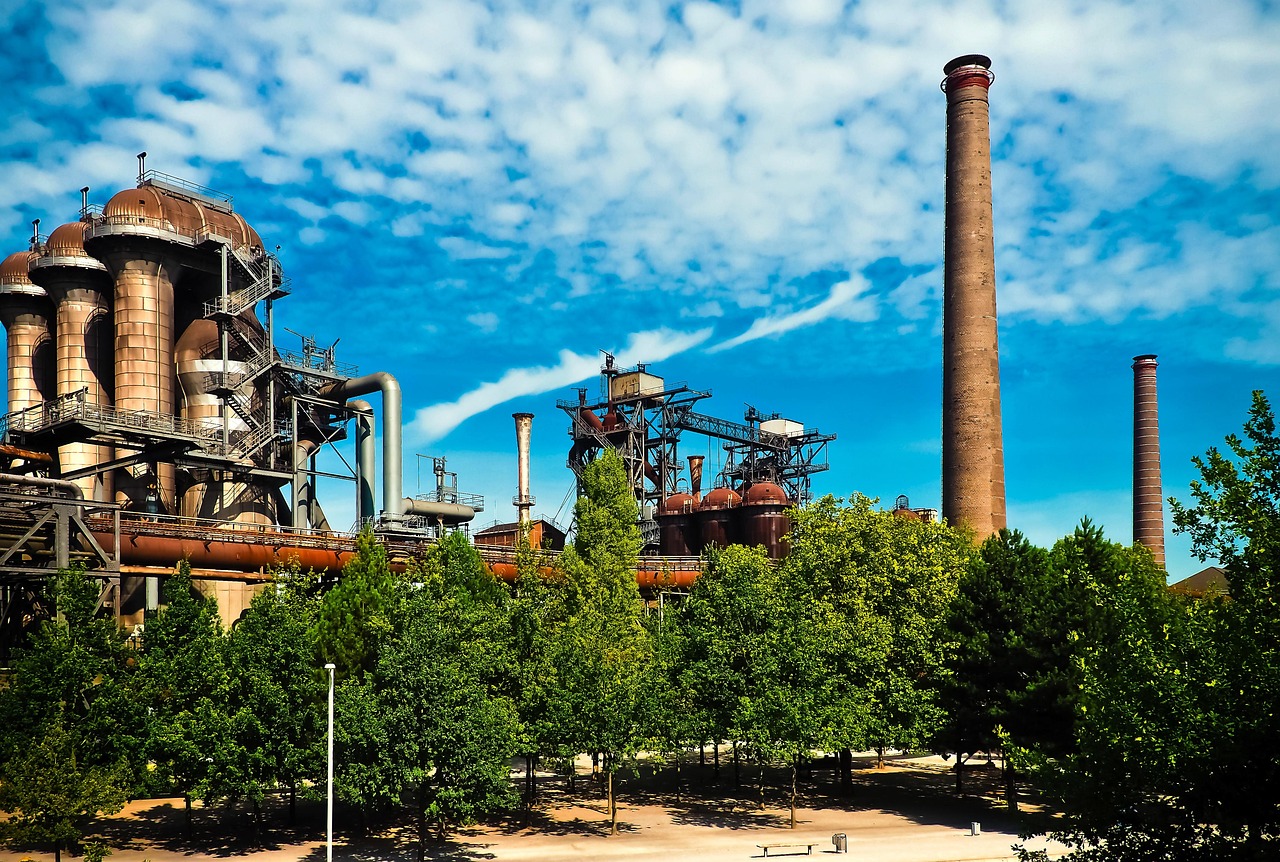
Sloss Furnaces tells the labor history behind the city, including the convict leasing and discrimination that shaped the workforce. Rickwood Field recalls the Black Barons and the Negro Leagues, a parallel story of talent and exclusion. A day trip to Selma and Montgomery, about ninety minutes away, follows the Voting Rights movement of 1965 and the Edmund Pettus Bridge. If you can, build the trail across a few days, with time to rest between the heavy stops.
Visit well
Go on a weekday for the quietest experience, wear comfortable shoes and bring water. Keep phones in your pocket in the church and the gallery on the bombing. Support local businesses near the district, and allow time to talk about what you have seen with your companions. Children and teens often have strong reactions, so leave space for questions.
A suggested half-day
Start at the Institute when it opens, spend a quiet hour in Kelly Ingram Park, visit the church if arrangements allow, then eat lunch nearby and join a guided afternoon tour if you want more depth. The Museum of Art or a walk to Railroad Park makes a gentle contrast afterward. By the end of the day, the places you read about will feel present, and the city will seem more complex and more hopeful than the headlines of 1963 suggest.
For educators and families
If you are visiting with students or children, consider preparing with a short reading list and a conversation about what you will see. Many families find it helpful to ask children what they think they would have done in 1963, and to talk about how courage appears in ordinary people. Teachers can contact the Institute about group visits and curriculum resources. Pace the day with breaks, and plan something restful afterward, such as a picnic at Railroad Park or an hour at the Botanical Gardens, so the experience has space to settle.