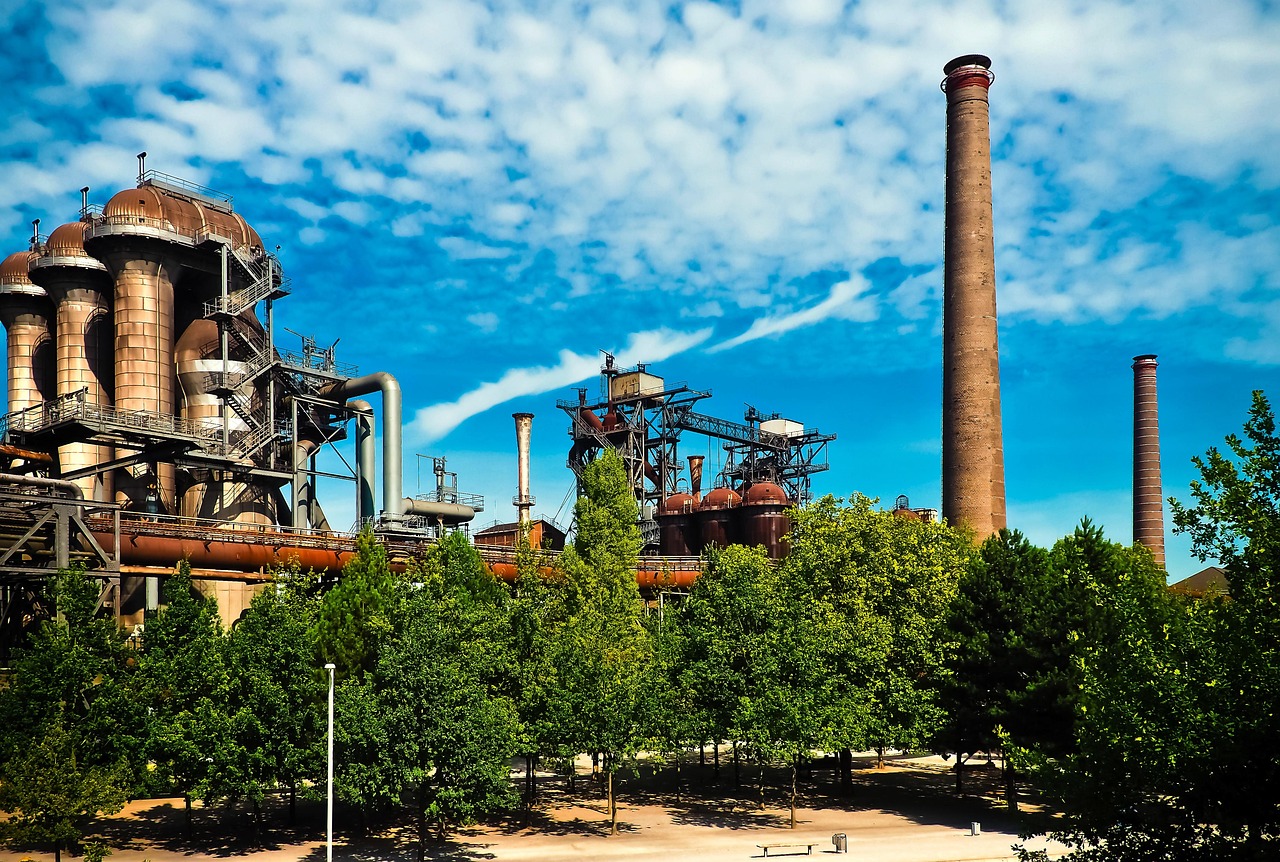
Birmingham is a younger city than most visitors expect. It was founded in 1871 at the crossing of two railroads, deliberately placed beside the iron ore, coal and limestone needed to make steel, and it grew so fast that it earned the nickname the Magic City. That industrial origin shapes almost everything you will see: the rust-red furnaces at Sloss, the statue of Vulcan, the downtown skyscrapers and, above all, the dramatic and painful history of the twentieth century, when Birmingham became a central battleground of the civil rights movement. Today it is a friendly, food-obsessed, surprisingly green city with a creative streak, and it rewards a stay of two to four days.
Start with the Civil Rights District
If you only do one thing, do this. The Birmingham Civil Rights Institute, the Sixteenth Street Baptist Church and Kelly Ingram Park sit together in a few blocks of downtown, and together they tell the story of the 1963 campaign, the Children's Crusade and the church bombing with unusual clarity. Allow at least half a day, and consider a guided tour to add context. Prepare children for the heavy material, and give yourself time afterward to sit in the park.
See the industrial city
Sloss Furnaces is the best place to understand how Birmingham was built: a vast blast-furnace complex you can walk through for free, with guided tours and a famous ghost legend. A short drive up Red Mountain brings you to Vulcan Park, where the 56-foot cast iron statue and an observation tower give the classic view of the valley. Together they take about three hours and make a satisfying second day.
Add culture and green space
The Birmingham Museum of Art is free and has a strong Asian collection and one of the largest Wedgwood displays outside England. The Botanical Gardens are also free, and the Alabama Theatre offers a glamorous night out in a 1927 movie palace. For an unexpected highlight, drive east to Barber Vintage Motorsports Museum, which holds the world's largest motorcycle collection. Hikers can reach Ruffner Mountain and Red Mountain Park within fifteen minutes of downtown.
Know the neighborhoods
Downtown is the base for most sights and has the historic hotels. Southside and Five Points South are the dining and nightlife districts, with patios, bars and the university's energy. Lakeview and Avondale have breweries and creative spaces, and Mountain Brook and Homewood offer leafy suburban dining and shopping. Hoover, to the south, has a large mall and a resort-style hotel. A car is the most flexible way to travel, although downtown is walkable and rideshares are easy.
Plan the logistics
Spring and autumn are the best seasons, with mild weather and blooming gardens or fall color. Summer is hot and humid, so schedule outdoor sights for the morning and rest in air conditioning in the afternoon. Football weekends, especially when Alabama or Auburn play, fill hotels across the region. Check opening days before you go, since many museums close on Mondays, and reserve guided tours and shows ahead of time.
A simple first-timer plan
On day one, do the Civil Rights District in the morning, lunch downtown and the Museum of Art or Alabama Theatre in the afternoon. On day two, visit Sloss Furnaces in the morning, then Vulcan Park and a long dinner in Southside. On day three, choose between Barber Motorsports Museum, an outdoor morning at Ruffner Mountain, or a day trip to Tuscaloosa. If you have a fourth day, add the Botanical Gardens and the zoo, or the evening ghost walk.
What to eat
Birmingham takes its food seriously. Expect barbecue with a local white sauce, meat-and-three lunches, fine Southern cooking from nationally recognized chefs and an inventive brewery and cocktail scene. Save room for pie and for sweet tea. The food guide goes deeper.
Respect and context
Many of the sites you will visit are places of grief and honor, and some are active churches. Dress respectfully, keep voices low and follow photography guidelines. The tone of the city is warm and open, and locals are generally happy to talk about their history if you ask with interest. Bring curiosity and comfortable shoes, and you will leave with a much fuller understanding of the South than a short visit usually offers.