Bled is as much an adventure base as a pretty lake. Within half an hour you can be in a canyon, on a river, in the sky or on a mountain trail. This guide explains the main options and how to choose.
Canyoning
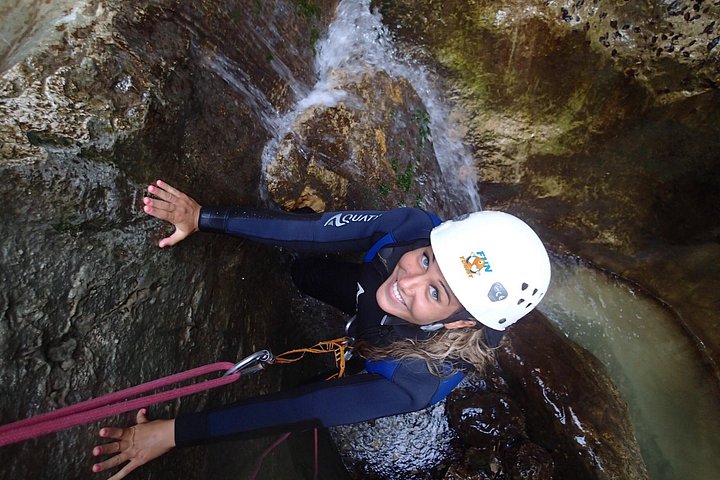
The best-known adventure near Bled is canyoning, descending a stream through a gorge by walking, sliding, jumping and abseiling. Guides provide wetsuits, helmets and harnesses, and beginners are welcome. Choose a half-day tour in July or August when the water is warmest, and wear swimwear underneath the wetsuit. Operators cancel after heavy rain, so keep your schedule flexible. If you want a step up, ask about longer routes with taller abseils.
Rafting
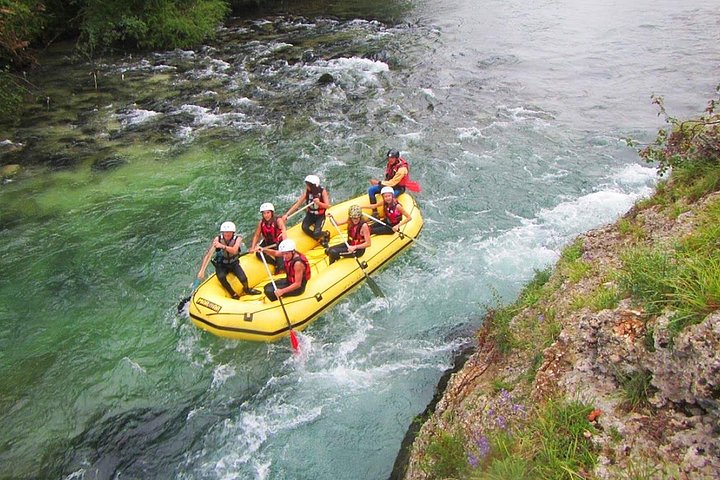
Rafting on the Sava Dolinka is an easier way to meet white water. Rafts hold groups, everyone paddles together, and the guide steers. It suits families with older children and takes around three hours including briefing and transfers. Spring has the strongest flows, late summer the gentlest.
Paragliding
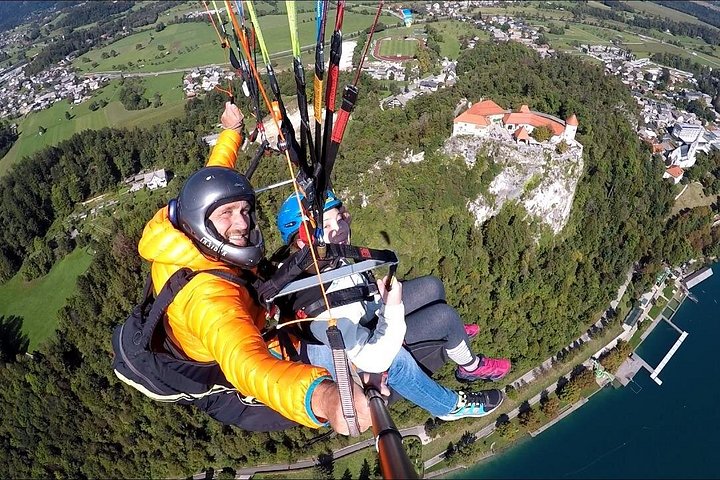
A tandem flight above the lake is a calm way to see the area from the air. The pilot handles the wing and you sit back. Flights last 10 to 20 minutes and depend on wind. Book early in your stay in case of postponements.
Paddling
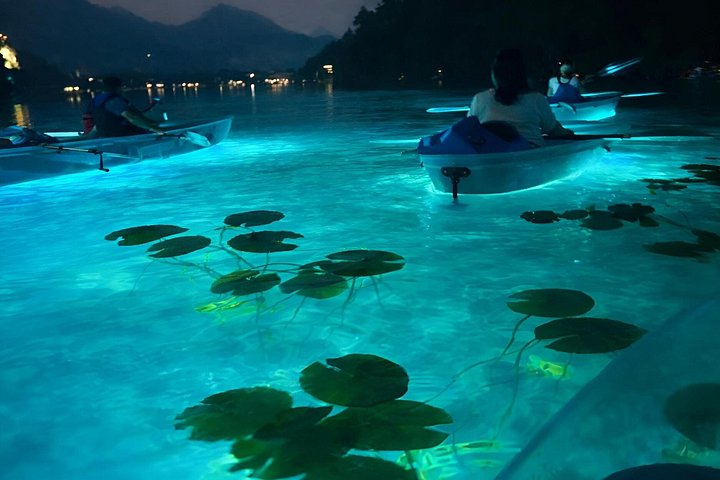
On the lake, kayaks, stand-up paddleboards and transparent kayaks are available, many with guides. The water is calm, making them suitable for beginners, and early morning is best. At Bohinj, a guided kayak tour offers a wilder setting.
Mountains
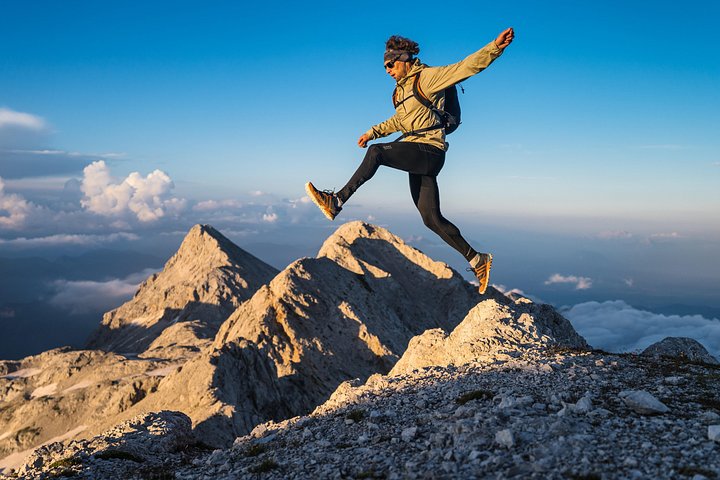
For hikers, Triglav National Park offers everything from gentle valley walks to via ferrata and summit climbs. A guided day trip is an easy introduction. The two-day Triglav ascent with a certified guide is a serious challenge needing fitness and a head for heights, usually between late June and September. Via ferrata routes in the Mojstrana area can be done with guides and rented sets.
Cycling
Bikes and e-bikes are widely rented and the roads around the lake and toward Vintgar are bike friendly. Guided cycling tours link Bled with Bohinj and beyond.
Winter adventures
Snowshoeing, ski touring, cross-country skiing and ice climbing are available with guides. Alpine ski areas are within a reasonable drive.
Safety and choosing operators
Pick guides with recognised qualifications and clear safety briefings. Check group size, minimum age, insurance and cancellation policy. Be honest about your fitness and swimming ability. Dress for the activity and carry water. Weather rules, so keep a spare day.
What to pack
A small dry bag, quick-dry clothes, water shoes or sturdy trainers, a hat, sunscreen and a warm layer cover most activities. Operators supply technical gear, but ask what is included. Bring a towel and a change of clothes for water days, and leave jewellery and valuables at the hotel.
Fitness and health
Most beginner activities require only basic fitness and the ability to swim. Tell your guide about injuries, medical conditions and fears, such as heights or cold water, because a good guide will adapt the day. Pregnant visitors and those with heart, back or joint problems should seek medical advice before booking.
Families
Several activities welcome children, with minimum ages that vary by operator and conditions. Family canyons, gentle rafting, lake paddling and via ferrata for kids exist, and operators can guide you toward suitable options. Always confirm the age and weight limits when you book. Younger children are often happiest with a boat ride, a bike ride and a swim.
Photos and gear
Many operators sell photo packages or include them. If you want your own photos, ask whether a waterproof case or action camera is allowed. In paragliding, a pole-mounted camera is common. Secure phones and keys carefully.
Insurance
Check that your travel insurance covers adventure sports, since some policies exclude canyoning, climbing or paragliding. This is easy to overlook and matters if something goes wrong.
Combining activities
A classic adventure day pairs canyoning in the morning with a gentle lake paddle in the evening. A mountain day is best followed by a rest day with a spa visit or a cake stop. Do not stack too many high-adrenaline plans, because fatigue affects safety. Reserve the big ticket items for the middle of your trip, so that weather delays can be absorbed.