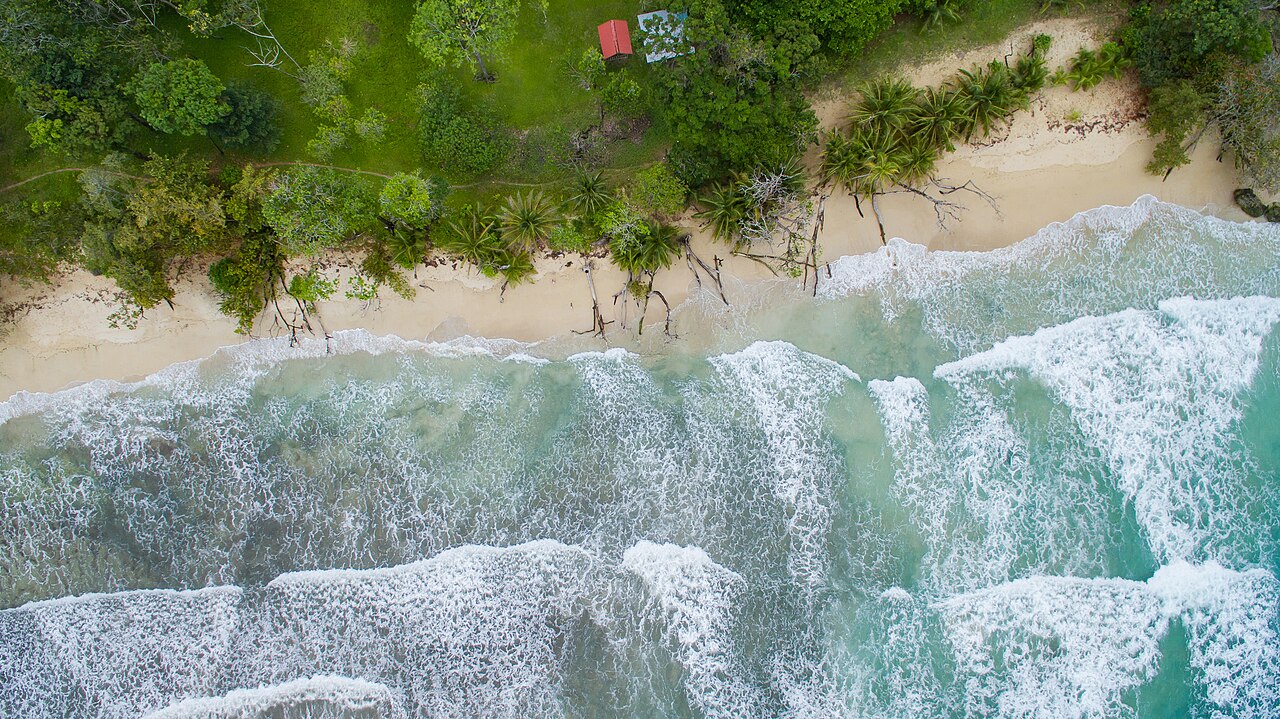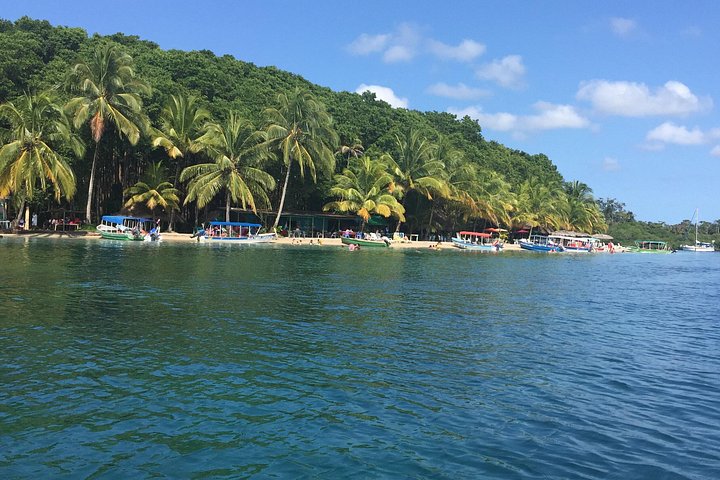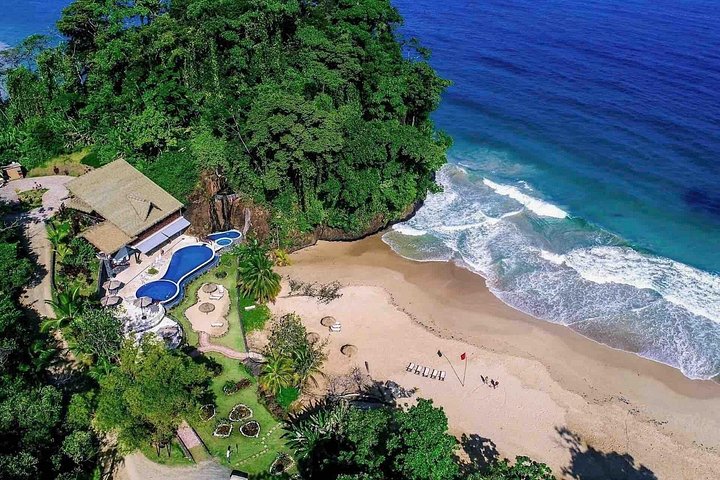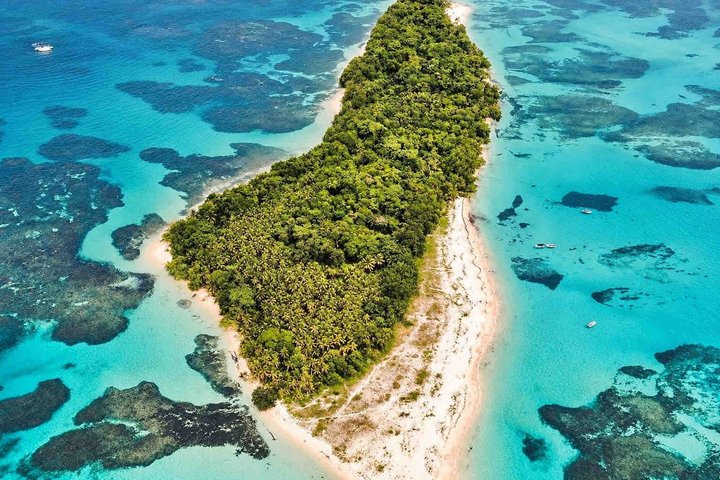
The beaches of Bocas del Toro are nesting grounds for sea turtles, and a conservation tour is the most responsible way to see why that matters. The archipelago is visited by several species, including the enormous leatherback, the largest turtle in the world, as well as hawksbill and green turtles. Nesting happens on quiet stretches of sand on Isla Colon and Isla Bastimentos, and local conservation groups work to protect nests, patrol beaches and educate visitors. The Giant Sea Turtle Conservation Tour is designed around that work, so the emphasis is on learning, observing from a respectful distance and understanding what protects the animals, rather than on a guaranteed sighting. Seasons matter a great deal, and the operator can tell you what is realistic for your travel dates. The experience suits travelers who want something more meaningful than another beach stop.
Why it is worth considering
Sea turtle conservation is one of the most important stories in the archipelago, and joining a guided tour puts you alongside people who know the beaches and the animals. Seeing a nesting turtle, a nest being protected or hatchlings making their way to the sea is memorable, but the learning is the main reward.
The tourism board includes a turtle sanctuary among the nature experiences in Bocas del Toro, which shows how central the subject is to local visitors. Travelers with children who love animals will find it one of the most engaging activities on the islands.
What to know before you go
Turtle encounters depend on the season, the weather and luck, so treat any sighting as a bonus. Nesting season generally runs through the middle of the year, with different species at different times, so ask the operator what is possible on your dates. Tours that involve night beach walks follow strict rules: no flash photography, no white lights, no touching animals and no crowding a nesting turtle.
Wear dark, quiet clothing, bring insect repellent and a red-light torch if you have one, and wear shoes you can walk on sand and uneven ground in. Confirm the meeting point, duration and what is included when you reserve, since details can vary by season.
Making it work
Reserve in advance, since small conservation tours have limited spaces. Choose a calm evening if the schedule allows, and pair the experience with a relaxed day rather than an early boat trip, because turtle watching can run late. If you are visiting outside the main nesting months, ask whether the tour still offers a worthwhile program, such as a hatchery visit or a talk on local conservation.
Support the work by following the guides carefully, avoiding plastic on the beach and buying local rather than turtle-shell souvenirs, which are illegal and harmful. It makes a good counterpart to the snorkel and reef trips elsewhere on the islands.
Children and adults alike often leave these experiences with a different attitude to the beach. Small changes help: take rubbish home, pick up plastic you find, keep lights low at night and avoid buying any product made from turtle shell. If your hotel is on a nesting beach, ask whether it turns off or shields bright lights after dark, because artificial light confuses hatchlings.
Consider a donation to a local conservation group if the tour does not already include one, and share what you learned with other travelers so that responsible habits spread through the islands.
What to expect
The experience
A guided conservation experience focused on the sea turtles that nest on island beaches, with an emphasis on learning and respectful observation.
Best time
During the nesting months in the middle of the year; ask the operator what is realistic for your dates.
How long
Varies by season and program, so confirm when you reserve.
Tips
No flash or white light, no touching animals, wear dark clothing, bring repellent and treat sightings as a bonus.
Quick picks
- Best for
- Wildlife lovers who want a conservation-minded experience.
- Families
- Engaging for animal-loving children, though late evenings can be tiring for the very young.
- Couples
- A quiet, memorable evening on a dark beach.
- Pair with
- A slow day in Bocas Town or Red Frog Beach.
- Time needed
- An evening or half a day, depending on the program.
Good questions
Will I see a sea turtle?+
Sightings are never guaranteed. Nesting depends on the season, the weather and the animals themselves, so ask the operator what is realistic for your dates.
What species nest in Bocas del Toro?+
Leatherback, hawksbill and green turtles are all associated with the archipelago, each with its own season.
Is it suitable for children?+
Often yes for children who are calm and quiet, but check the program and timing with the operator, since night walks can run late.
What should I bring?+
Dark, quiet clothing, insect repellent, comfortable shoes and a red-light torch if you have one. Do not use flash or white light near turtles.
Why is conservation important here?+
Nests face threats from poaching, development, light pollution and plastic, and local groups protect nests and educate visitors to help populations recover.