Bodrum eats the way the Aegean eats: slowly, in many small dishes, with the sea in view. The cooking is lighter and more herb-driven than the heavy grilled-meat image of Turkey, built on olive oil, fresh vegetables, wild greens, seafood and strong local tangerines. This guide explains the dishes and habits that make a meal in Bodrum feel right, and how to find good food without relying on luck.
Start with meze
A proper Aegean meal begins with a tray or table of cold meze: yoghurt with garlic, smoky aubergine, stuffed vine leaves, white cheese, fava bean puree, spicy tomato and walnut spreads and salads of wild greens. Many of them are cooked in olive oil and served cool, and they are best shared. Ask the waiter to bring a selection rather than ordering everything yourself, and leave room, because the main course follows. Bread is usually brought freely and is part of the pleasure.
Fish by weight
At the harbour and marina restaurants, the fish of the day is displayed on ice, and you choose a whole fish that is weighed and priced by weight. This is the single most important habit to know: ask the price per kilo and the approximate weight before the fish is cooked, so there are no surprises on the bill. Sea bream, sea bass, red mullet and grilled squid are common, and the simplest preparation, grilled with lemon and olive oil, is usually the best. Fish restaurants in Gümüşlük, where tables stand almost on the water, are especially popular at sunset.
Local specialities
The tangerines grown around Bodrum are famous, and juice and desserts that use them are worth seeking out. Wild greens, known as ot, appear in warm and cold dishes in spring and autumn, and olive-oil vegetable dishes are a staple. Look also for pide and gözleme at simple lunch spots, thin pastry filled with cheese, spinach or potato and cooked on a griddle, and for kebab dishes that arrive with yoghurt and bread. A classic regional plate in this part of Turkey layers thin fried potatoes, meat and yoghurt, so ask your server what the local dish of the day is.
Drinks
Rakı, the aniseed spirit, is traditionally drunk with meze and fish, diluted with water so that it turns milky white, and sipped slowly rather than shot. Turkish wines have improved a great deal, and the Aegean region produces whites and reds that match seafood and grilled dishes well, so ask for a local bottle. Turkish tea comes in small glasses at every stop, and Turkish coffee is served strong and unfiltered after a meal. In summer, ayran, a salted yoghurt drink, is a cooling lunch companion.
Markets and cooking
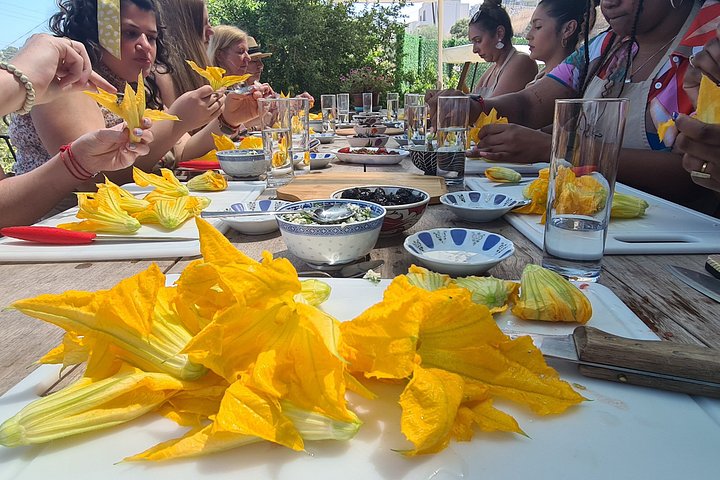
A market visit is the best way to see what the peninsula grows: olives, cheeses, herbs, fruit, spices and the dried goods that stock every kitchen. The farmers market and cooking class in our entries pairs a market walk with hands-on cooking, and you leave knowing how to make the dishes you have been eating. It is a good rainy-day or cool-season activity, and works for beginners. Combined with a hamam in the afternoon, it makes a very Bodrum day.
Where to eat by neighbourhood
In the old town and marina, you will find the widest choice, from simple lokantas serving home-style dishes at fair prices to waterfront fish restaurants, and the further you walk from the busiest promenade the better the value usually becomes. Yalıkavak has a polished marina scene with more upmarket places. Gümüşlük is all about fish at the water, and Gündoğan has quieter village restaurants. As a rule, a restaurant full of local families is a good sign, and a menu with photographs and a tout at the door is not.
Seasons and etiquette
From May to October nearly everything is open and busy, so book popular waterfront tables for sunset. From November to April many seaside venues close or reduce hours, but the town's restaurants stay open and are calmer. Tipping of around ten percent is normal if service is not already added, and cash helps in small places. Meals are long, and nobody will rush you, so settle in and order in stages. Vegetarians do well because so many meze are plant-based, and you should mention allergies clearly, since dishes often contain nuts or dairy.