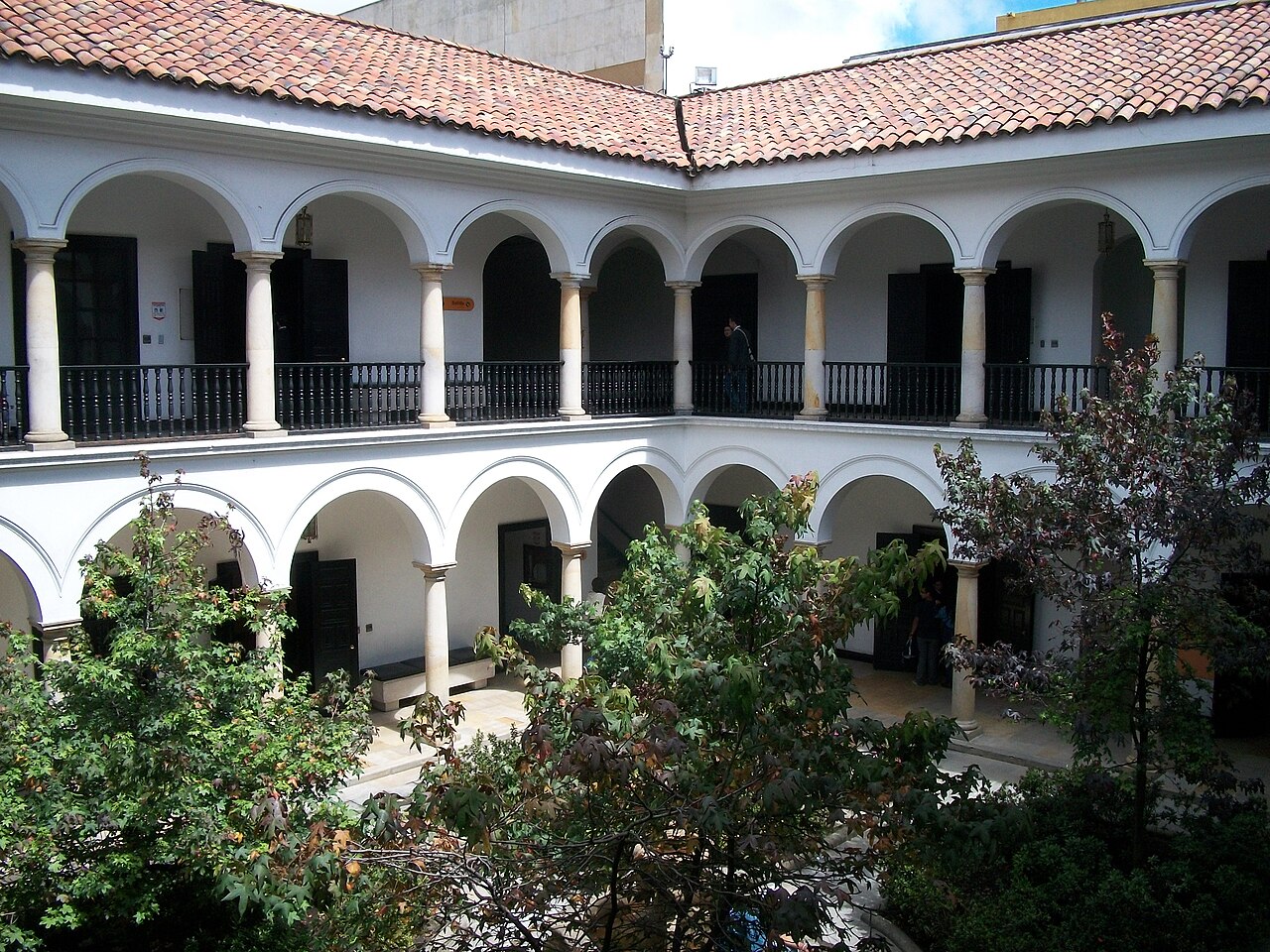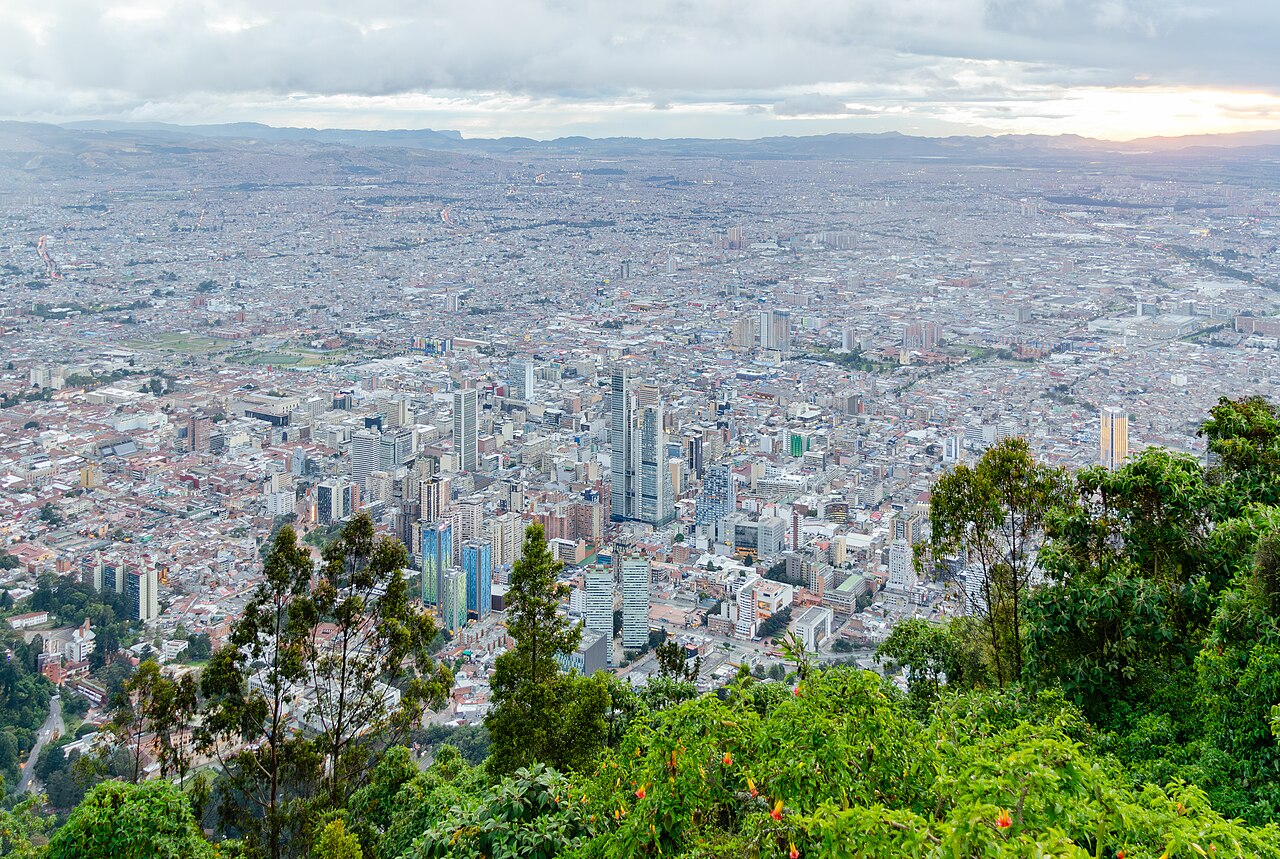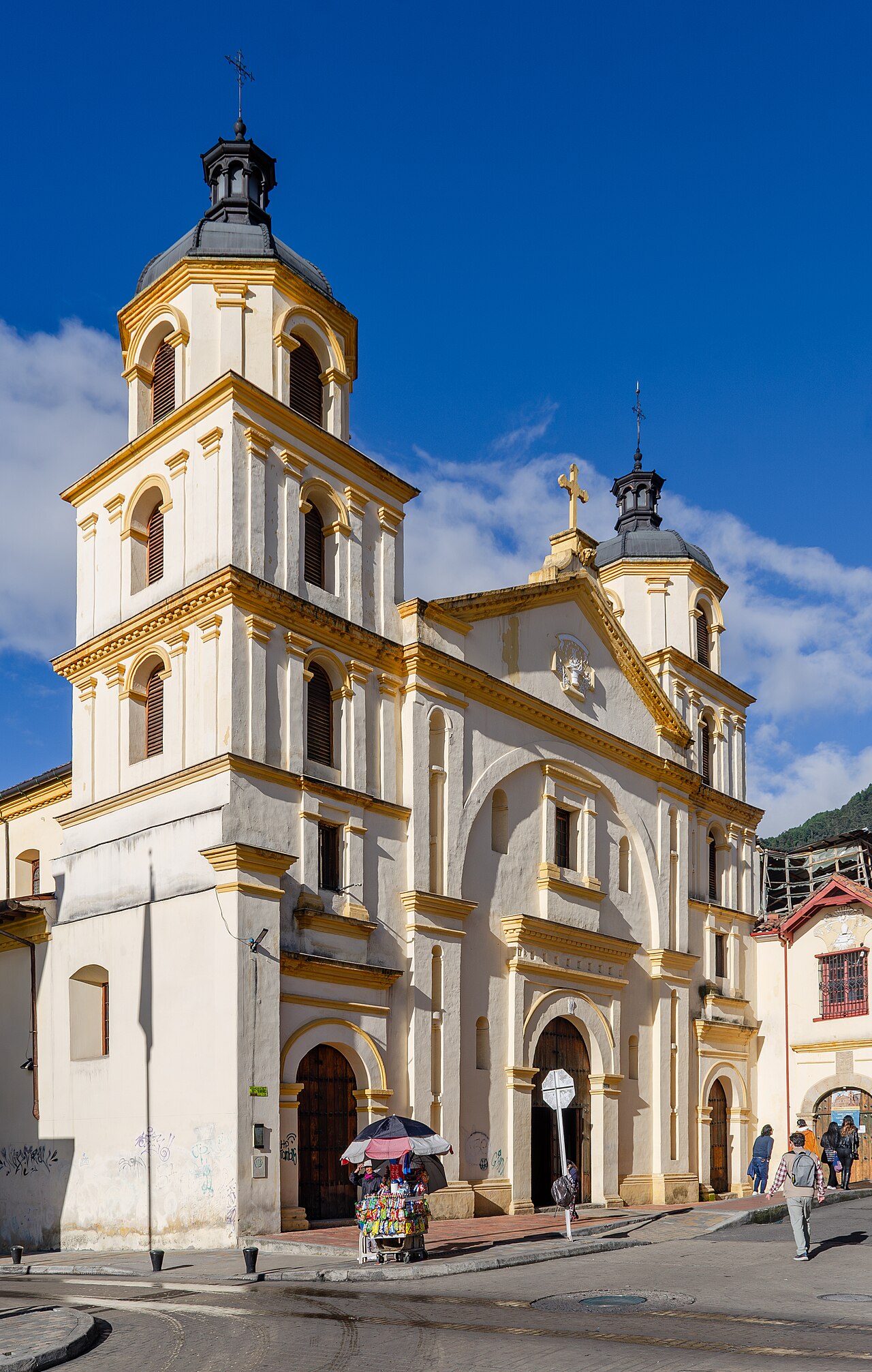
La Candelaria is the historic neighborhood at the foot of the eastern hills, and it is where most first-time visitors spend a day. The streets climb gently from Plaza de Bolívar, the great stone square lined by the cathedral, the Capitol and the Palace of Justice, toward the hills, past colonial houses with wooden balconies, tiled roofs and interior courtyards that now hold cafés, hostels and galleries. The small Chorro de Quevedo square, with its tiny church, is traditionally linked to the founding of the city in 1538, and today it hosts street musicians and students from the nearby universities. Calle del Embudo, a narrow, lively lane, is a good place to stop for a hot chocolate or a coffee. Candelaria is also where many of the city's museums cluster, including the Gold Museum, the Botero Museum and the Coin Museum, and the neighborhood is where Bogotá's street art is most visible. A guided walking tour is the best way to understand it, because the buildings and plazas carry stories that are easy to walk past. The Tiqets guided walking tour runs about three hours in English and Spanish with a small group.
What you are seeing: the neighborhood grew from the Spanish colonial grid, and its mix of architectural styles shows centuries of change, from simple colonial houses to republican facades and modern murals. Plaza de Bolívar is the civic heart, with government buildings on three sides and the cathedral on the fourth. Streets with names and numbers can confuse newcomers, so a guide who knows the history and the safe routes is worth the cost.
Visiting well: go by daylight and keep to busy streets, because the area is lively by day but quieter and less comfortable after dark. Keep your phone and camera discreet, carry only what you need and avoid wandering into empty side streets. Mornings are calm, weekends are busy with local visitors and performers, and many museums close on Mondays, so plan accordingly. Wear comfortable shoes for the cobbles and bring a layer, because the weather changes quickly.
Eating and drinking: Candelaria has a lot of small cafés and traditional restaurants, and it is a fine place to try ajiaco, the local chicken and potato soup, or a cup of hot chocolate with cheese, a Bogotá habit. A short walk takes you from the tour to the Gold Museum and the Botero Museum, and a good plan is to do the museums in the morning, lunch in a courtyard, and the walking tour or the graffiti tour in the afternoon.
What to expect
The experience
A guided walk of about three hours through the colonial lanes, plazas and landmark buildings of the old center, in a small group.
Best time
Morning, when the streets are calm and the light is good for photographs.
How long
Three hours for the guided walk, more if you add museums and lunch.
Tips
Wear comfortable shoes, carry little, stay on busy streets after the tour and keep valuables out of sight.
Quick picks
- Best for
- First-timers who want to understand the historic center and orient themselves for the rest of the trip.
- Families
- Older children enjoy the stories and the street scenes, but the pace and cobbles suit ages eight and up best.
- Couples
- Wander the lanes, stop for hot chocolate and finish at a courtyard café.
- Pair with
- The Gold Museum, the Botero Museum and the graffiti tour.
- Time needed
- Half a day with a museum stop.
Good questions
What is La Candelaria?+
It is Bogotá's historic center, a colonial neighborhood of narrow lanes, plazas and museums at the foot of the eastern hills. Plaza de Bolívar sits at its core.
Is La Candelaria safe for tourists?+
It is generally fine in the daytime, but petty theft happens, so keep valuables hidden and stay on busy streets. Avoid empty lanes after dark and use a taxi or ride app at night.
Do I need a guided tour?+
You can walk it yourself, but a guide explains the history and keeps you on good routes. The Tiqets tour takes about three hours in English or Spanish.
What is the Chorro de Quevedo?+
It is a small square traditionally associated with the founding of Bogotá in 1538. Today it is a hangout for students and street performers.
How long should I spend here?+
A half day covers the tour and one museum, while a full day lets you add the Gold Museum, the Botero Museum and a long lunch.