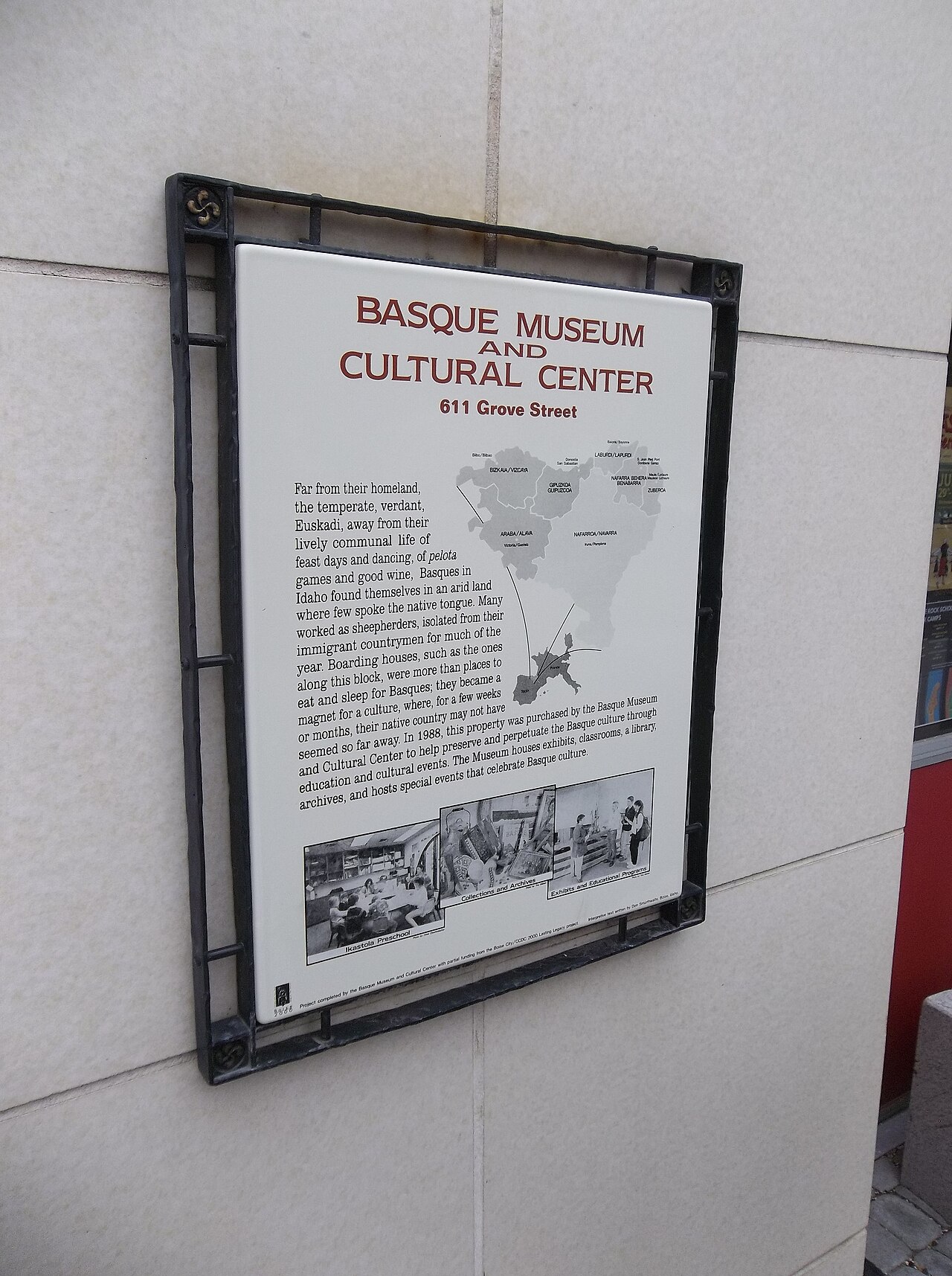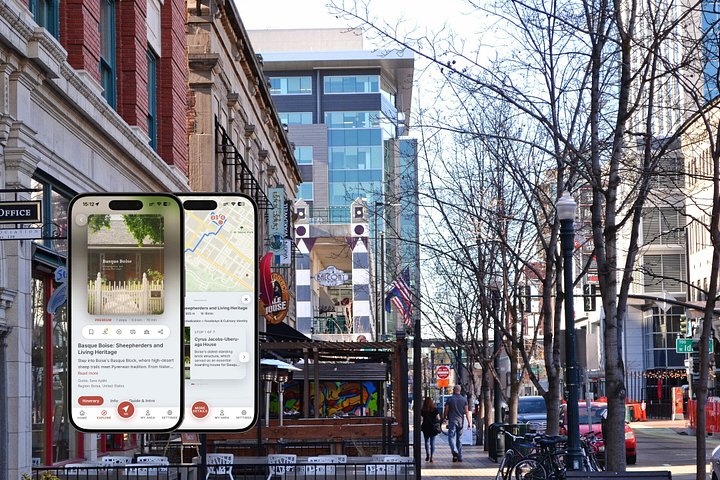
Boise has one of the largest Basque communities in the country, and the Basque Block is where it shows. The block of Grove Street between Capitol Boulevard and 6th Street is lined with Basque restaurants, a market, a bar, a cultural center and a museum, and it is paved and decorated in a way that tells you quickly this is a place with its own identity. Basque sheepherders began arriving in southwest Idaho in the late 1800s to work the big sheep ranges, and families, boarding houses and social clubs grew up around them. Their descendants, together with newer arrivals, keep the language, dances, food and festivals alive, and the block is the visible heart of that living heritage. For visitors, the easiest way to meet the neighborhood is on foot with a story to follow. A self-guided audio tour of Basque Boise walks you through the block and nearby streets, explaining who the sheepherders were, how boarding houses worked, why a handball-like game called pelota still has a court here and how the community shaped the city. Because it is audio-led and starts when you do, it fits easily into a morning before lunch, and it costs very little compared with most guided tours.
Plan to eat on the block, because the food is half the point. Traditional Basque cooking leans on lamb, cod, chorizo, peppers, garlic and slow-cooked stews, and you will find croquetas, pintxos-style bites, paella on certain nights and the famous solomo sandwiches. Wash it down with Basque-style wine, a tinto de verano or Idaho's own take on the Basque drink kalimotxo, a mix of red wine and cola that is more popular than it sounds.
A market on the block sells chorizo, cheese, cured meats and ingredients for taking home, and a bakery and bars add to the choice.
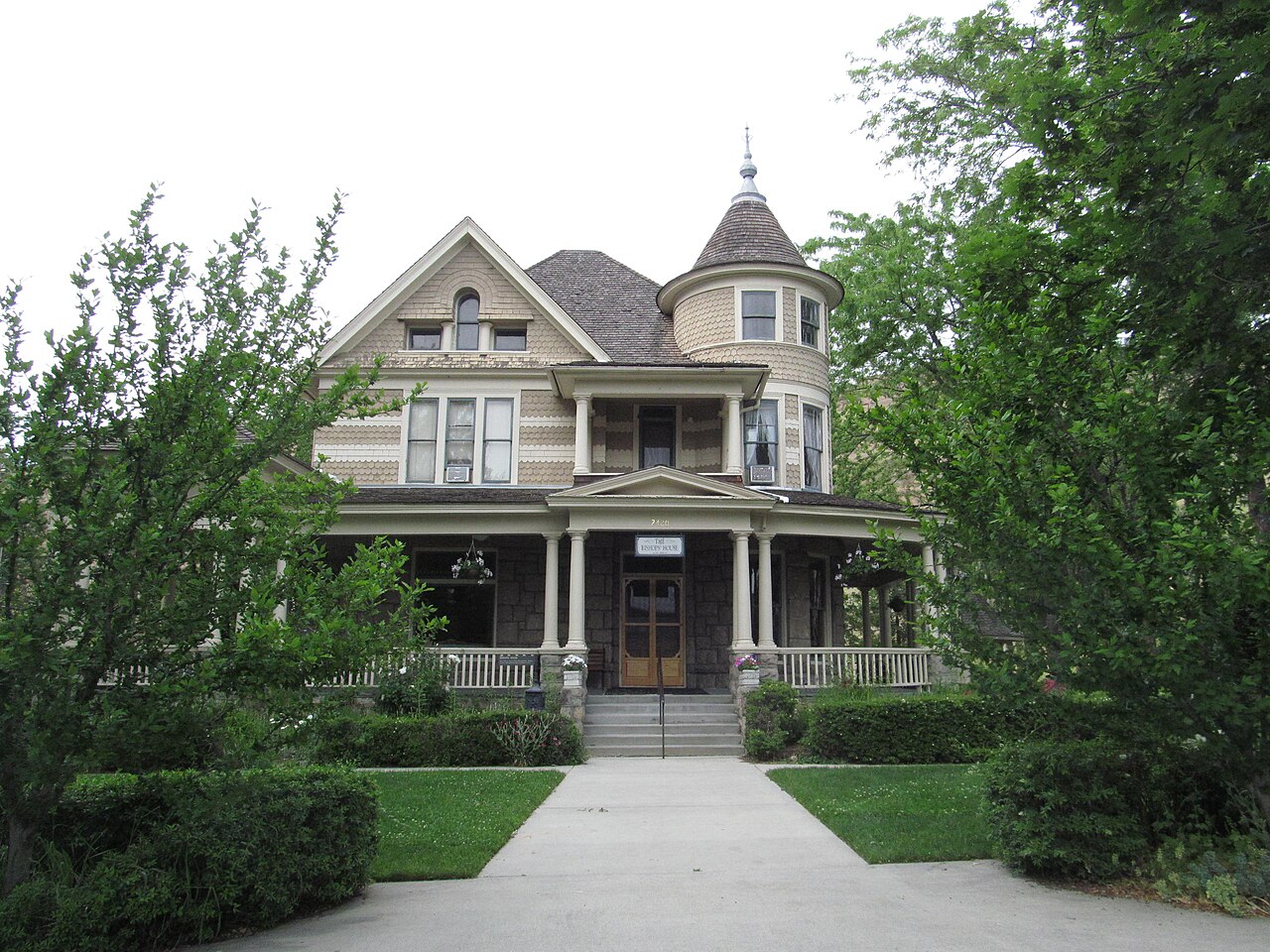
Several buildings stand out. The Cyrus Jacobs-Uberuaga House, built in the 1860s, is one of the oldest brick buildings in the city and later served as a Basque boarding house. The Basque Museum and Cultural Center occupies the house and the building beside it, and the neighboring fronton, the court used for pelota, is a rare thing to see in an American downtown. Murals and flags add color, and in summer you may catch a dance practice, a festival or a lunchtime crowd spilling onto the sidewalk.
Every five years the neighborhood hosts Jaialdi, a large Basque festival that draws visitors from Spain, France and across the US with music, sports, dance and food. Smaller celebrations such as the San Inazio festival in summer give a taste of the same energy in off years. Check the calendar before you travel if you hope to coincide with an event, since the block is livelier and also busier on those days.
The block is very walkable from most downtown hotels, and street parking and garages are close. Hours at restaurants and shops vary, and some places close on Sundays or Mondays, so look up the day's schedule. Pair the walk with the Basque Museum and then continue to the Capitol or the river for an easy day in the middle of the city.
What to expect
The experience
A self-guided audio walk around one downtown block of Basque restaurants, shops, a museum and a pelota court.
Best time
Lunch or early evening, when restaurants are open and the block is lively.
How long
One to two hours for the walk, plus time for a meal.
Tips
Start the audio walk before lunch and eat on the block afterward; check restaurant hours since some close on certain days.
Quick picks
- Best for
- Food lovers, history fans and anyone who likes neighborhoods with a strong identity.
- Families
- An easy, flat walk that suits all ages, with kids enjoying the pelota court and bakery.
- Couples
- Share plates at a Basque restaurant and a glass of local wine after the walk.
- Pair with
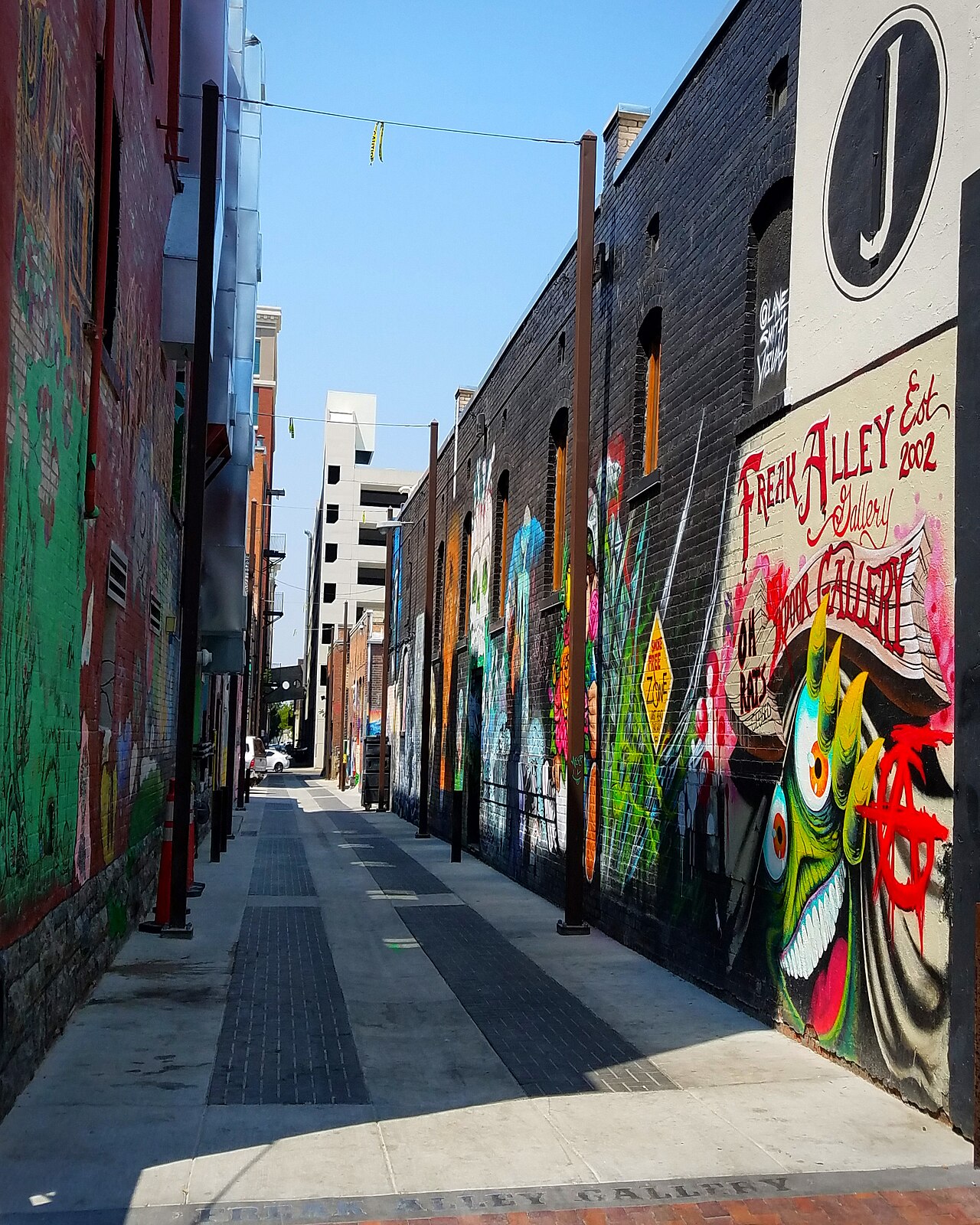
- The Basque Museum, the Idaho State Capitol and the Freak Alley murals.
- Time needed
- One to two hours, or half a day with lunch.
Good questions
What is the Basque Block?+
It is a block of Grove Street in downtown Boise with Basque restaurants, a market, a bar, a cultural center and a museum, set in the heart of a long-established Basque community.
Why are there so many Basques in Boise?+
Basque sheepherders came to the area in the late 1800s to work the sheep ranges, and many families settled in the city and built a strong community that continues today.
What should I eat here?+
Try Basque specialties such as chorizo, croquetas, lamb dishes, cod and solomo sandwiches. Menus vary by restaurant, so ask about the day's specials.
When is the big Basque festival?+
Jaialdi is held every five years. Smaller Basque events take place in other years, so check the calendar if you hope to see one.
Is the audio tour guided by a person?+
No, it is a self-guided audio walk you start on your own phone, so you can go at your own pace.