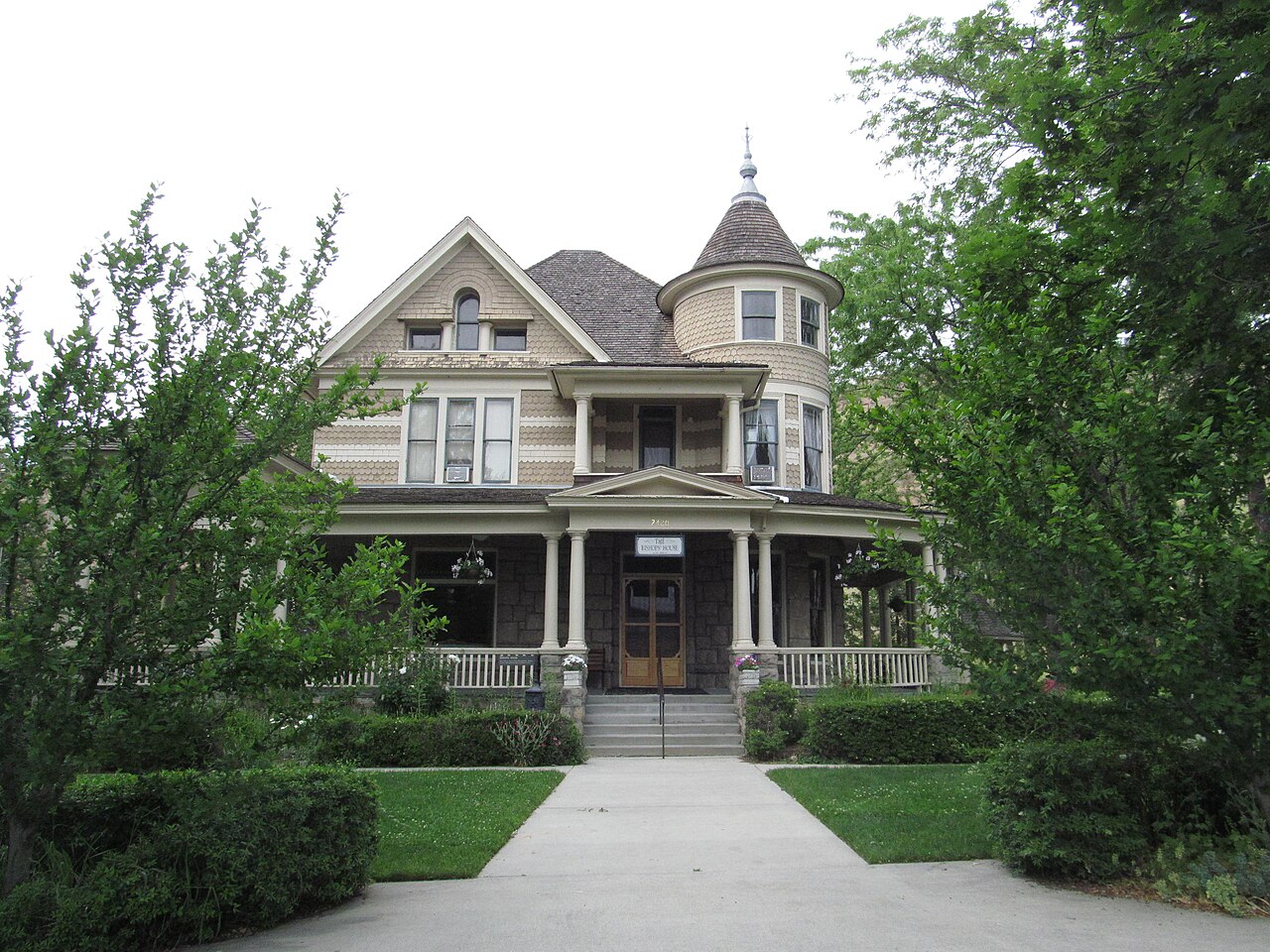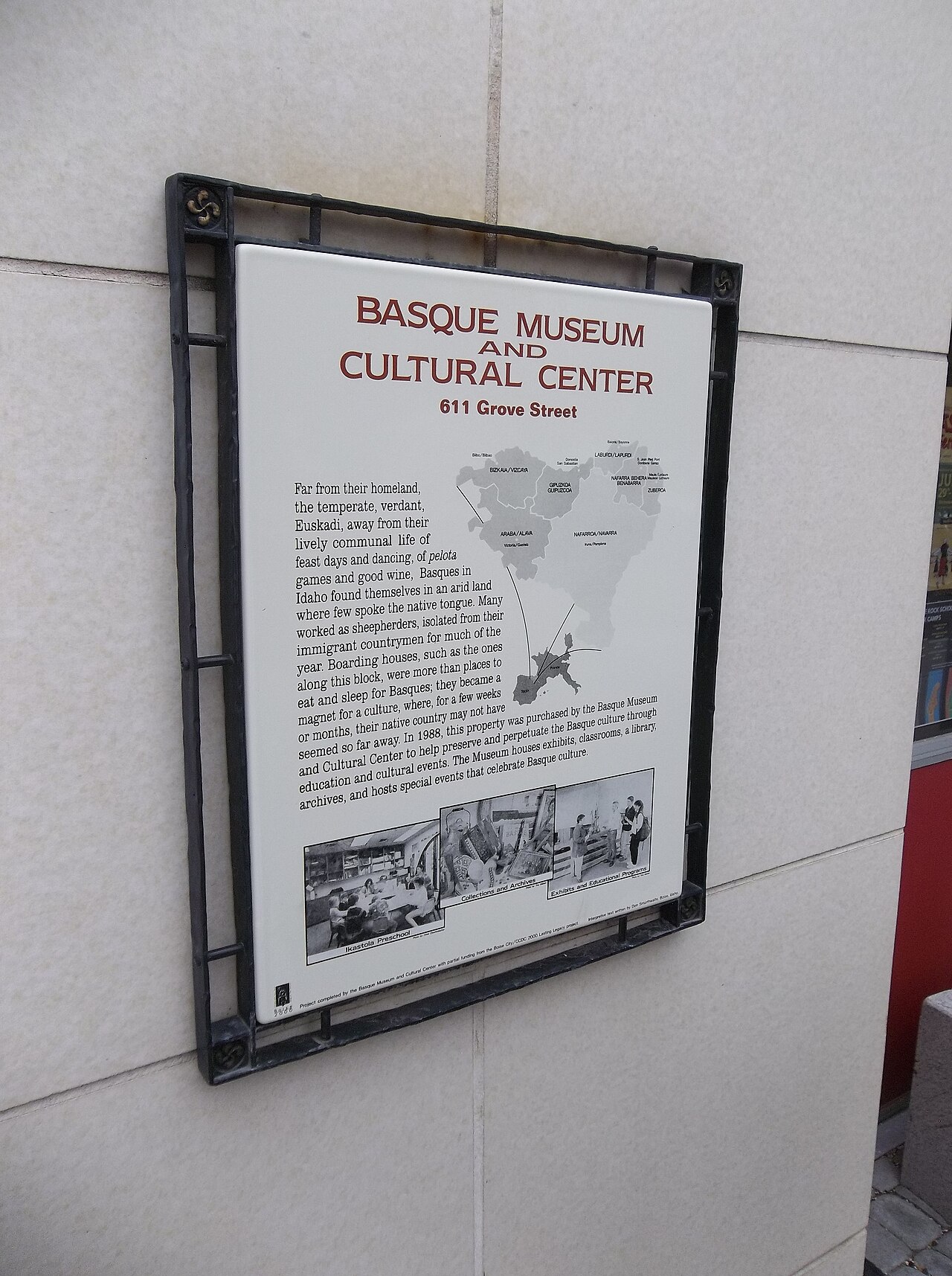
The Basque Museum and Cultural Center is a small, thoughtful museum on Grove Street that explains why Boise has such a rich Basque heritage. It occupies two buildings: the Cyrus Jacobs-Uberuaga House, built in the 1860s and later used as a boarding house for Basque immigrants, and a neighboring building with galleries, a gift shop and rotating exhibits. The museum is run as a non-profit and has been collecting objects, photographs, oral histories and documents for decades, so the displays have the depth of a community that wants its own story told properly. The boarding house is the highlight. Upstairs, the rooms are furnished as they might have been when young Basque men and women arrived, many of them working as sheepherders or domestic workers, and when a guide explains the daily routines you get a clear picture of what life was like. Downstairs and in the neighboring galleries, exhibits cover the Basque homeland in northern Spain and southwest France, the journey across the Atlantic and the Rockies, and the ways Basque families built institutions such as churches, social clubs and dance groups in Idaho.
The collection includes everyday objects such as sheepherder gear, tools, clothing and kitchenware, as well as musical instruments, festival costumes and examples of the language. Panels explain how the Basque language, Euskara, differs from Spanish and French and why it is still celebrated. Staff and volunteers often add stories from their own families, which makes the visit feel personal rather than formal.
Because the museum is compact, you can see it comfortably in an hour, and it fits neatly into a walking day in downtown Boise. A common route is to visit the museum, walk the Basque Block, have a meal at one of the neighborhood restaurants and then continue to the Capitol or the river. Guided visits of the boarding house are offered at certain times, and group tours can sometimes be arranged, so check ahead if you want a guide.
The museum also supports cultural programs, including dance classes, language lessons, cooking events and the planning for festivals such as Jaialdi. If your trip lines up with an event, it is worth asking about it. The gift shop sells books, music, jewelry and Basque-themed souvenirs, and buying here helps keep the work going.
Accessibility varies because part of the museum is a historic house with steep stairs, so ask the staff what is open to visitors with mobility needs. The museum keeps regular hours that change by season, and it is usually closed on certain days of the week, so check the schedule before you go. Admission is modest, and discounts may be offered for seniors, students and children.
Context helps here. Idaho's Basque story is one of movement and adaptation: young men from the Pyrenees crossing an ocean and a continent to herd sheep, women running boarding houses that became the social center of a community, and a second generation that built churches, dance groups and sports clubs to keep the culture alive.
The museum frames all of that without sentimentality, and it is candid about hardship, prejudice and the way the community changed as sheep ranching declined. Reading a few panels before you walk the block outside makes the restaurants, the fronton and the festivals easier to understand.
Families can turn the visit into a small scavenger hunt by looking for everyday objects, from tools to costumes, and then matching them with what they see on the street afterward. Language fans will enjoy hearing a few words of Euskara, and music lovers can ask about the instruments and dances that appear at community events.
What to expect
The experience
A small museum with exhibits and a furnished boarding house in one of Boise's oldest brick homes.
Best time
Weekday mornings or early afternoons, ideally combined with lunch on the Basque Block.
How long
About an hour.
Tips
Ask about guided house tours and check opening days, which change by season.
Quick picks
- Best for
- Curious travelers who enjoy stories of immigration and community.
- Families
- Best for school-age children and older; younger kids may prefer the pelota court and bakery next door.
- Couples
- A quiet hour in a historic home before a Basque dinner.
- Pair with
- The Basque Block, the Idaho State Capitol and the Grove Plaza area.
- Time needed
- About one hour.
Good questions
What will I see at the Basque Museum?+
You will see exhibits about Basque life in Idaho, historic objects and photographs, and a furnished boarding house that shows how newcomers lived in the early 1900s.
How long does a visit take?+
Most people spend about an hour, a little more if they join a guided tour of the boarding house.
Is the museum open every day?+
It keeps regular hours that vary by season and is usually closed on certain days, so check before you go.
Can I combine it with a meal?+
Yes. The museum sits on the Basque Block, so lunch or dinner at a nearby Basque restaurant is an easy addition.
Is it accessible?+
Part of it is a historic house with stairs, so ask the staff which areas are open if you have mobility needs.