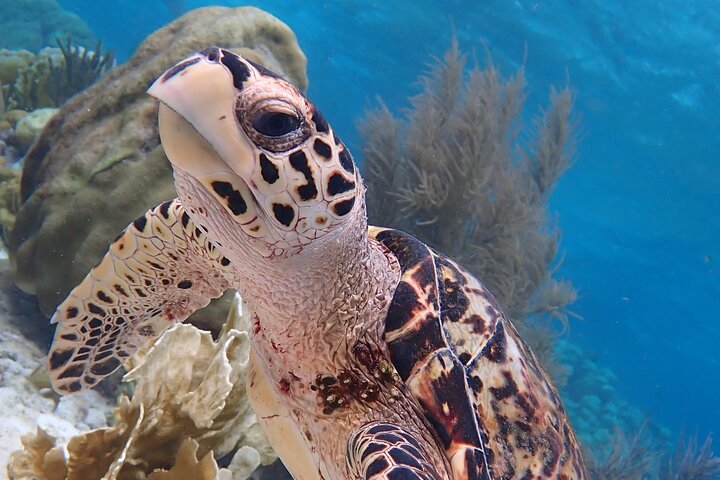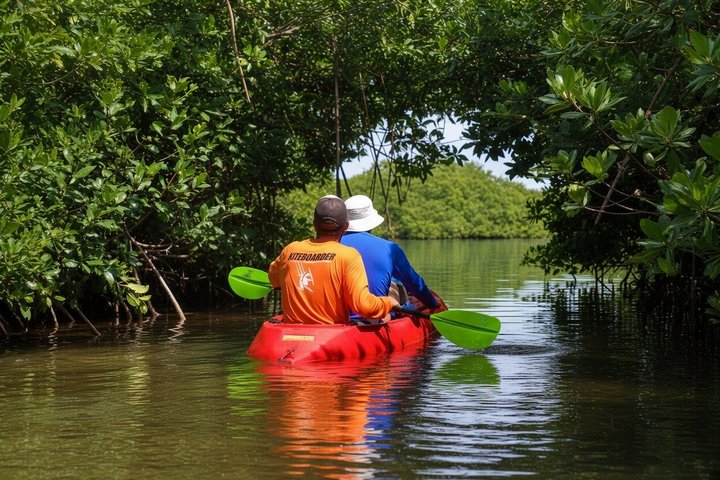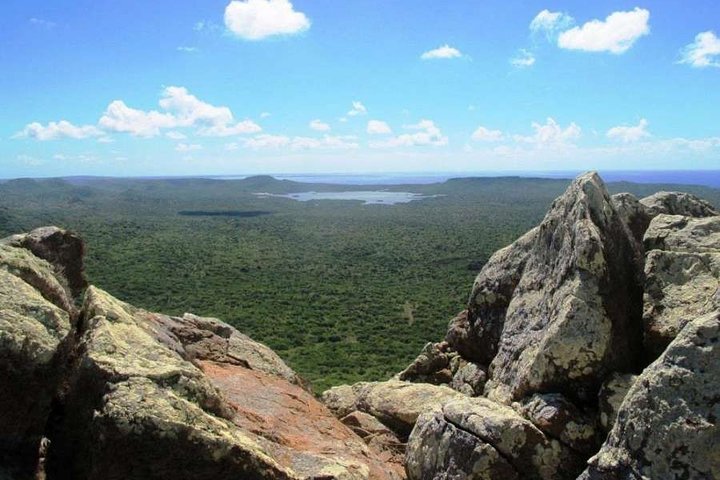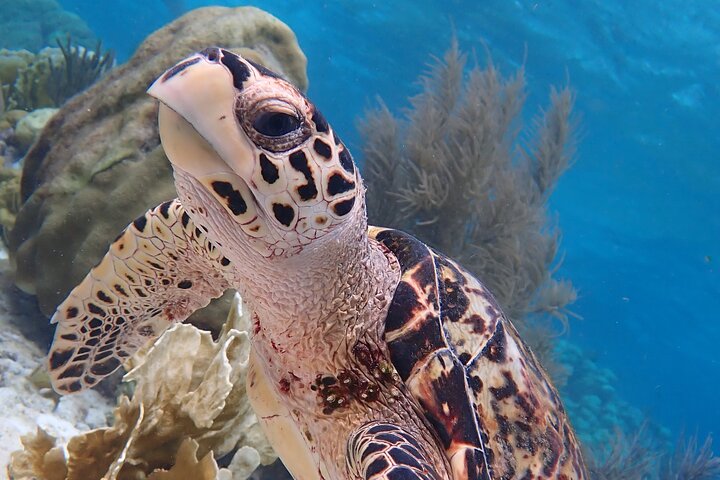
The Bonaire National Marine Park is the reason many people come to the island. STINAPA Bonaire, which manages it, describes it as including all the waters surrounding Bonaire and Klein Bonaire, from the high-tide mark down to sixty meters, around twenty-seven square kilometers of coral reef, sea grass and mangroves. Lac and Klein Bonaire are recognized wetland sites. Because the reef is so close to shore, many visitors snorkel and dive on their own from the beach, entering at marked sites with yellow stones on shore and yellow mooring buoys in the water; anchoring is strictly prohibited so the reef is not damaged. The nature fee is mandatory for all users of the marine park and is valid for the calendar year, from January to December. Rules are simple but strict: practice good buoyancy, never touch or remove anything, and disinfect your gear at the start and end of your trip because the reef is vulnerable to stony coral tissue loss disease. Treat it as a living museum with free admission to the underwater scenery.
Why it works
It makes the sea accessible. You can rent a mask and fins, or a tank if you are certified, and enter from a marked site without a boat. Beginners will find calm, shallow water near shore, and experienced divers can choose from many marked entries along the coast. The abundance of coral and fish close to the beach is the island’s calling card.
Fees and etiquette
The nature fee covers the marine park and Washington Slagbaai and is valid for the calendar year, and you need it as a visitor who snorkels, dives or swims from marked sites. Carry your photo ID, since you may be asked to show proof of payment, and keep your gear clean by following the disinfection steps STINAPA describes, including soaking before your first dive and after your last. Use reef-safe sun protection, stay buoyant and keep your hands off marine life. Bonaire also recommends enjoying wildlife from a mindful distance.
Planning it
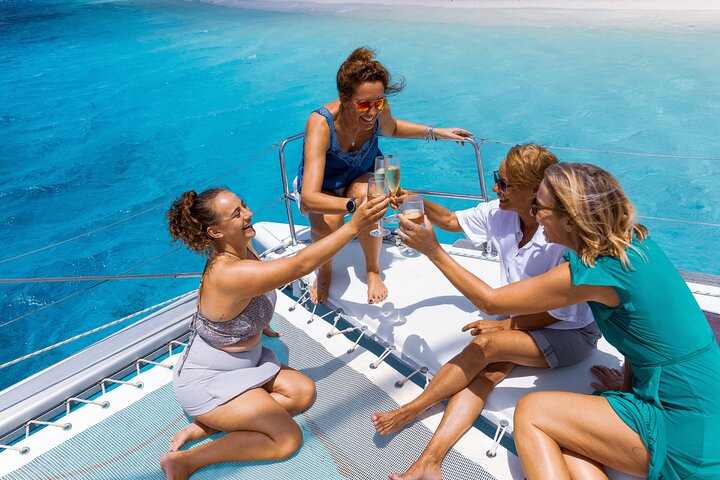
If you are new to diving or snorkeling, join a guided trip first, such as the Klein Bonaire excursion or the catamaran sail. If you prefer independence, ask your hotel or dive shop for the best marked sites for your level and conditions, check the day’s wind and surf and never swim alone. Gear can be rented in Kralendijk and at the main resorts.
What to expect
The experience
A protected reef reached from marked shore sites or by boat, with a mandatory nature fee for all users.
Best time
Mornings often have calmer water; check wind and surf on the day.
How long
Flexible; many visitors snorkel for an hour or two each day.
Tips
Pay the nature fee, carry photo ID, disinfect your gear, never touch the coral and look for yellow stones on shore.
Quick picks
- Best for
- Snorkelers and divers who want to explore independently.
- Families
- Choose calm, shallow sites near shore and supervise children closely.
- Couples
- Snorkel together from the beach and finish with sunset at the waterfront.
- Pair with
- A guided Klein Bonaire trip or a catamaran sail.
- Time needed
- One to three hours per outing.
Good questions
Do I have to pay to snorkel or dive?+
Yes. The STINAPA nature fee is mandatory for all users of the marine park and is valid for the calendar year, January to December.
Where can I snorkel from shore?+
Look for marked sites, with yellow stones on shore and yellow buoys in the water. Ask your hotel or dive shop for the best site for your level.
Why disinfect my gear?+
The reefs are vulnerable to stony coral tissue loss disease, so STINAPA asks visitors to disinfect gear before the first dive and after the last. It follows a simple bleach or similar soak described on the STINAPA site.
Can I anchor my boat?+
No, anchoring is strictly prohibited. Use the mooring buoys provided.
How big is the marine park?+
It includes all waters around Bonaire and Klein Bonaire from the high-tide mark to sixty meters depth, about twenty-seven square kilometers.