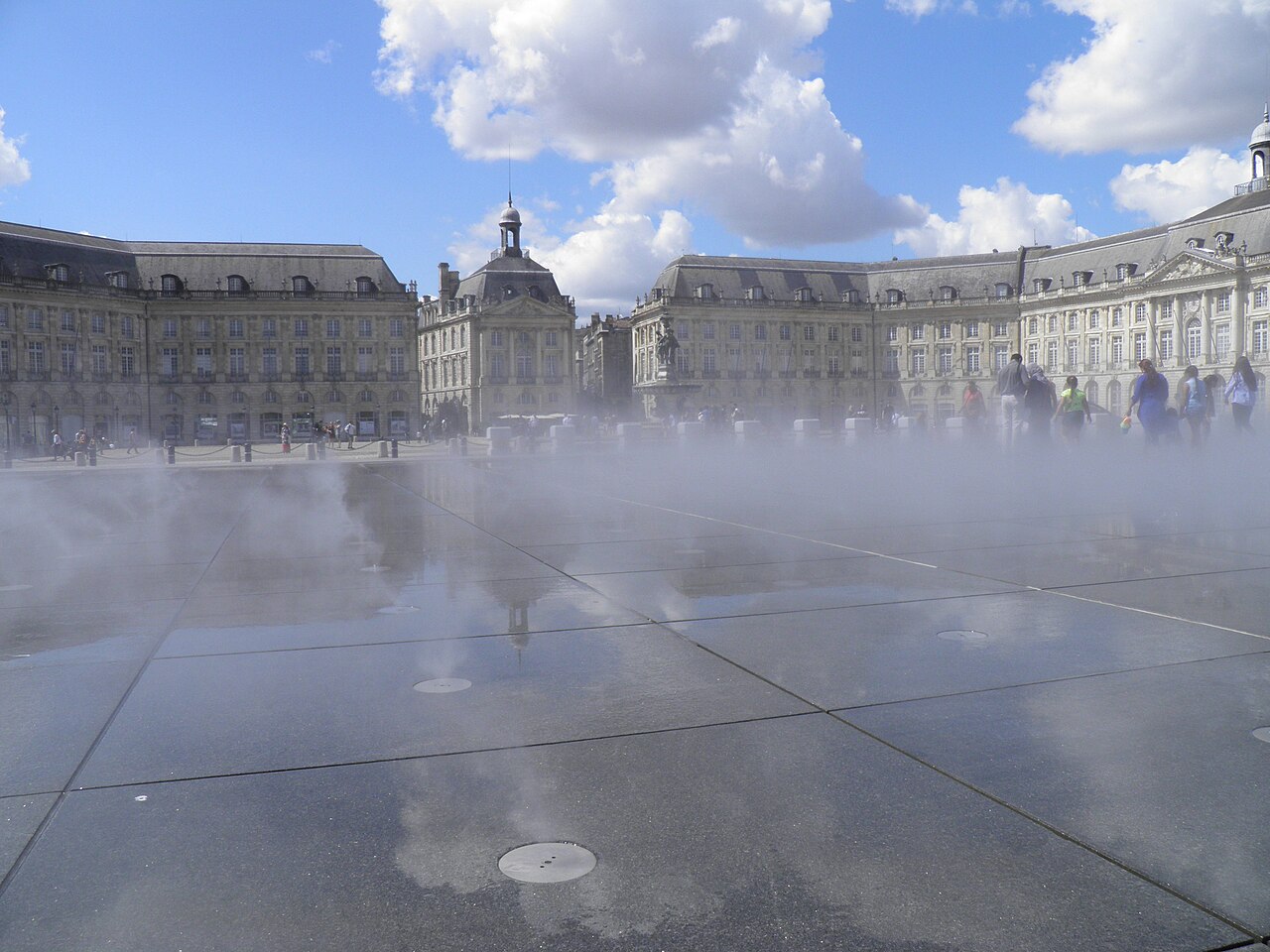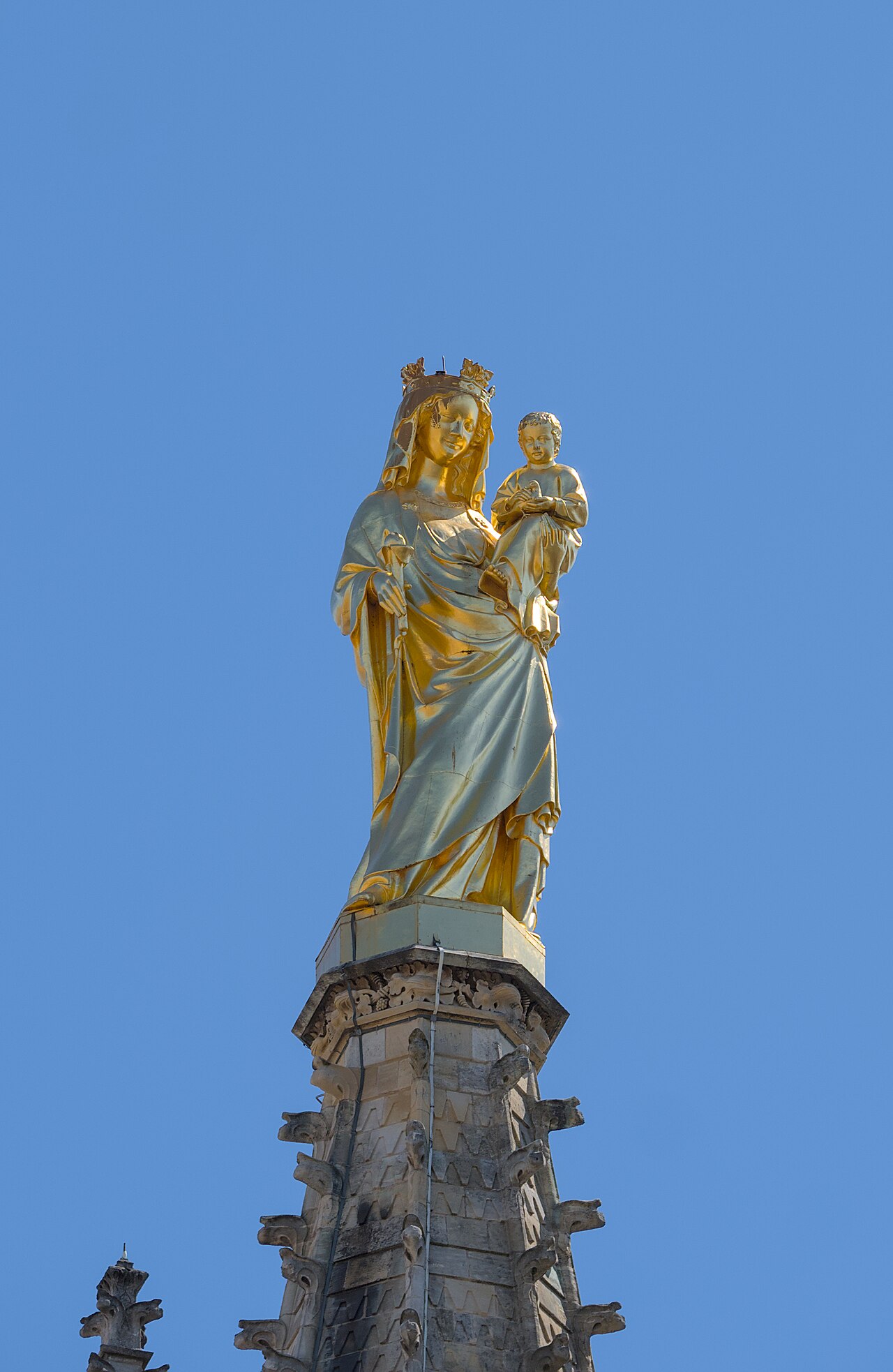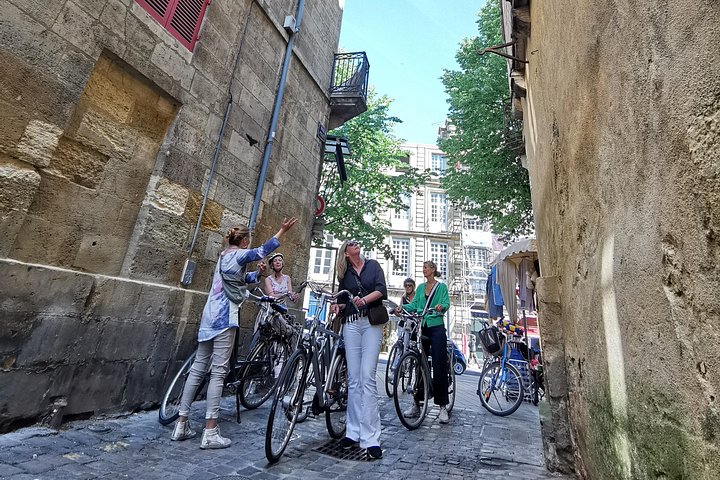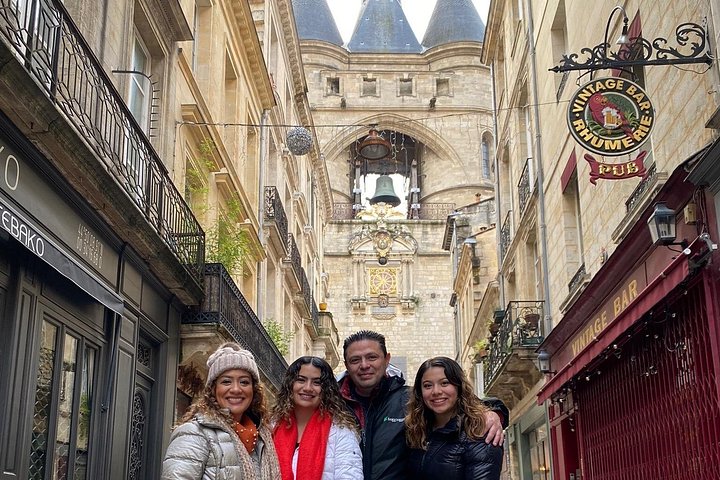
Most people see Bordeaux as a set of pretty facades, and a good guide changes that by explaining who built them and why. This guided walking tour of the historic centre takes two to three hours and is rated 5.0 from more than seven hundred reviews, a remarkable record for a city tour. It covers the part of Bordeaux that UNESCO listed in 2007 as the Port of the Moon, an outstanding 18th-century urban ensemble of pale stone along the Garonne. A typical route in this area runs from the grand riverfront square and its water mirror through the lanes of the Saint-Pierre quarter, past the Grand Théâtre and the elegant streets of the Golden Triangle, to the Gothic cathedral and its separate bell tower. Along the way a guide tells the story of the Roman port, the English centuries, the wine merchants who made fortunes from the Atlantic trade and the city’s darker history as a port in the slave trade. It suits first-time visitors who want orientation on day one, and returning visitors who want the stories behind the monuments.
How to visit
The booking page shows the meeting point, languages, start times and group arrangements for your date, so check those when you choose. The tour runs for two to three hours, and the exact route depends on the guide and on events in the centre. Cancellation terms are shown at checkout. The tour is on foot throughout, so the practical considerations are comfortable shoes, weather-appropriate clothing and water.
What to expect
A mix of architecture, history and local anecdote, with frequent stops. Bordeaux’s centre is compact and mostly flat, with long pedestrian streets, so the walking is easy, though two to three hours on cobbles tires some people. Expect to hear about the 18th-century rebuilding led by the royal intendants, the merchants of the Chartrons and the complicated legacy of the Atlantic trade. Guides differ in emphasis, so ask in advance if you have a particular interest, such as architecture or wine history.
Making the most of it
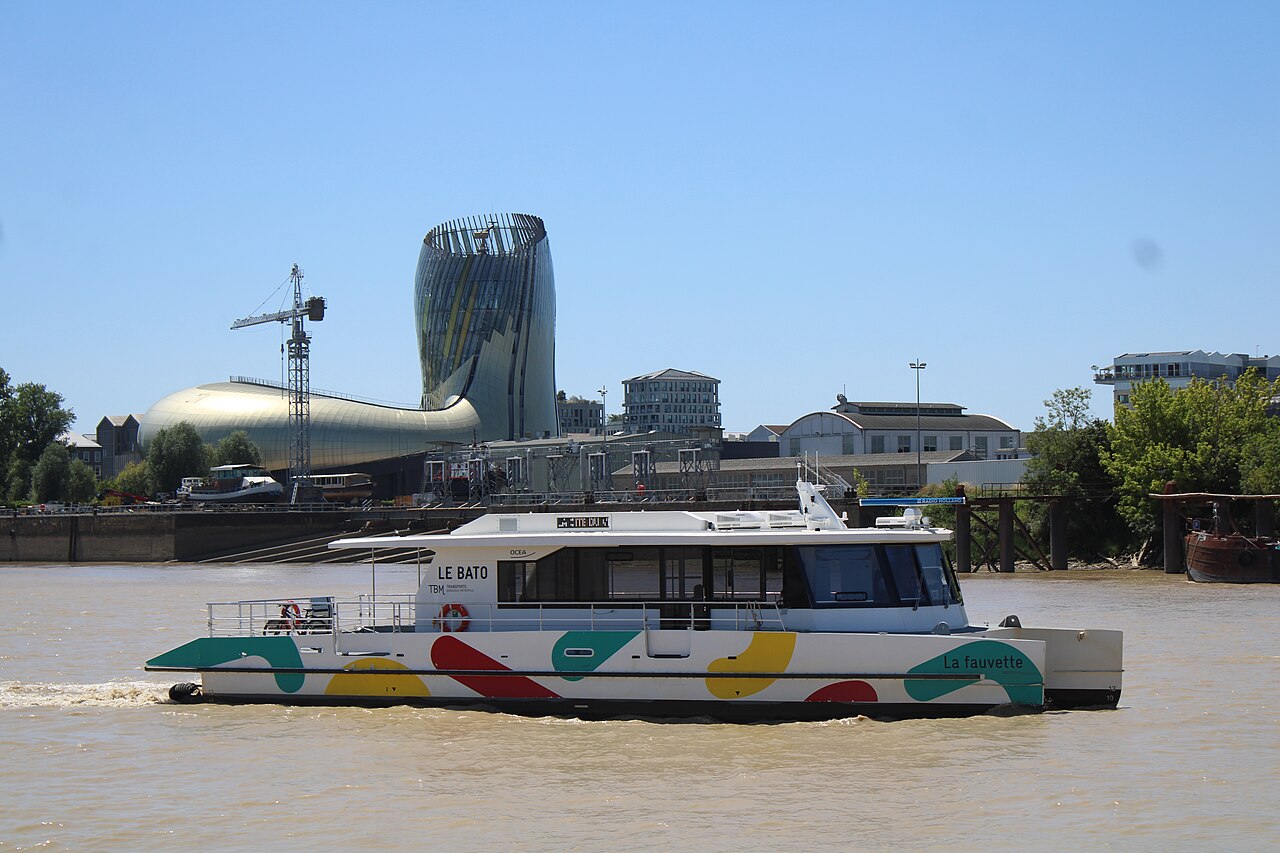
Take the walk on your first morning, when its orientation is most useful, and note the cafés, squares and streets you want to return to. If you prefer to cover more ground, the bicycle tour works as an alternative, and the Garonne cruise shows the same waterfront from the water. Winter walks are quieter, with softer light and easier access to the cafés when you need a warm stop. Afterwards, climb a tower or visit a museum for a second layer of detail on what the guide has shown you.
Because the route and the stories depend on your guide, it is worth treating the tour as the start of your research rather than the end. Note which buildings and streets interest you, then go back on your own to enter the ones that are open, such as the cathedral and the towers. Ask about restaurants and wine bars the guide trusts, since local recommendations are often the most valuable thing a walking tour offers, and ask for ideas about where to see the quays at their best on the evening of the same day.
What to expect
The experience
A guided walk of two to three hours through the historic centre, covering squares, quays, the cathedral quarter and the stories behind them.
Best time
Morning on your first day, when the orientation helps most.
How long
Two to three hours.
Tips
Wear comfortable shoes, carry water, and check the meeting point and language when you book.
Quick picks
- Best for
- First-time visitors who want context for the monuments.
- Families
- Best for older children who enjoy history; the walking is flat but long.
- Couples
- A good start to a city break, with ideas for dinner and later walks.
- Pair with
- A Garonne cruise or a tower climb.
- Time needed
- Up to three hours.
Good questions
What area does the walking tour cover?+
The historic centre listed by UNESCO as the Port of the Moon. The exact route depends on the guide and on events in the centre.
How long does it take?+
Two to three hours.
How is it rated?+
It holds a 5.0 average from more than seven hundred reviews.
Is it a good first activity?+
Yes, it gives you orientation and story-telling that makes later sightseeing easier.
Is the walk difficult?+
No. The centre is flat and compact, but two to three hours on cobbles needs comfortable shoes.