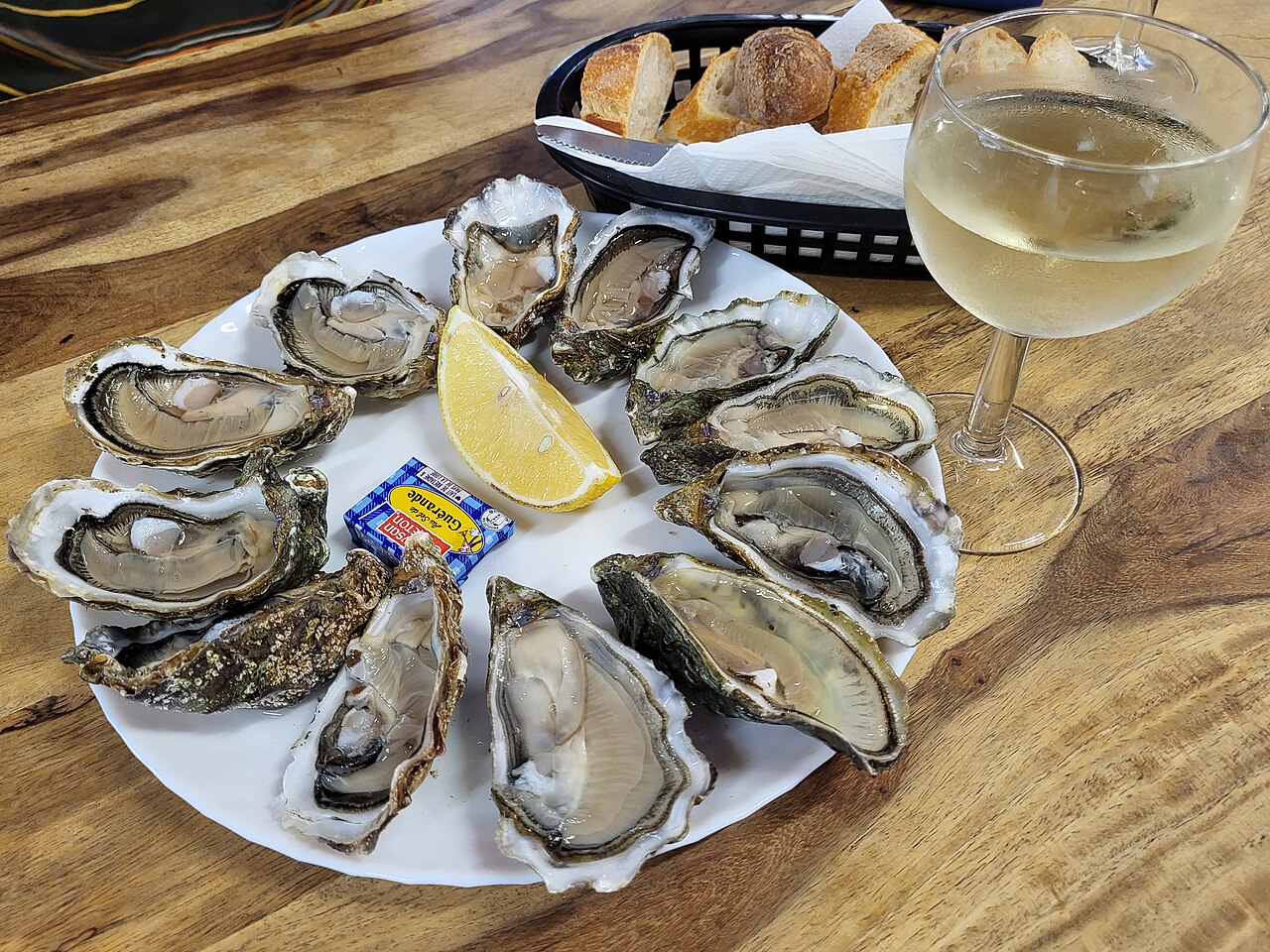
Every French city has a market, but few are as bound up with local identity as the Marché des Capucins, known in Bordeaux as le ventre de Bordeaux, the belly of the city. It stands on the Place des Capucins, in the Saint-Michel and Saint-Jean district south of the old centre, and the tourist office traces its origins to a first weekly market held in 1749 under the marquis de Tourny. It was covered in 1878, and in 1881 two halls were joined by a large gallery of iron and glass, which is the building you see today. The result is a village-like space where regulars and chefs buy their fruit and vegetables, and where fish and shellfish stalls display the day’s catch on ice. On-site counters and tables mean you can eat at the market, which is part of the appeal, and a plate of oysters or a simple plate of local food in the market atmosphere is a fixture of a Bordeaux morning. It is free to enter, there is nothing to book, and the hall is one of the few places in the city where you can watch ordinary Bordeaux life rather than monuments. It suits anyone who likes to learn a city by its food.
How to visit
The market is at Place des Capucins, 33800 Bordeaux, about a twelve-minute walk from Saint-Jean station and a short tram ride from the centre. The tourist office page does not publish the market’s trading hours, so check them before you go; for the market’s own opening times it directs visitors to the market’s website or telephone number. As with most French covered markets, the busiest and best time is the morning, and stalls wind down in the afternoon, so plan to arrive well before lunch rather than after it.
What to expect
A lively hall with fruit and vegetable stalls and a fish and shellfish section with fresh seafood, with tables and counters where you can sit and eat. The page notes its distinctive 19th-century iron-and-glass architecture and, at the end of the year, the festive decorations.
Allow an hour to wander and eat, and more if you plan a leisurely lunch. Take cash and a card, since small traders sometimes prefer one or the other. It is a working market, so treat it as one: step aside when people are shopping, and ask before photographing stalls.
Making the most of it
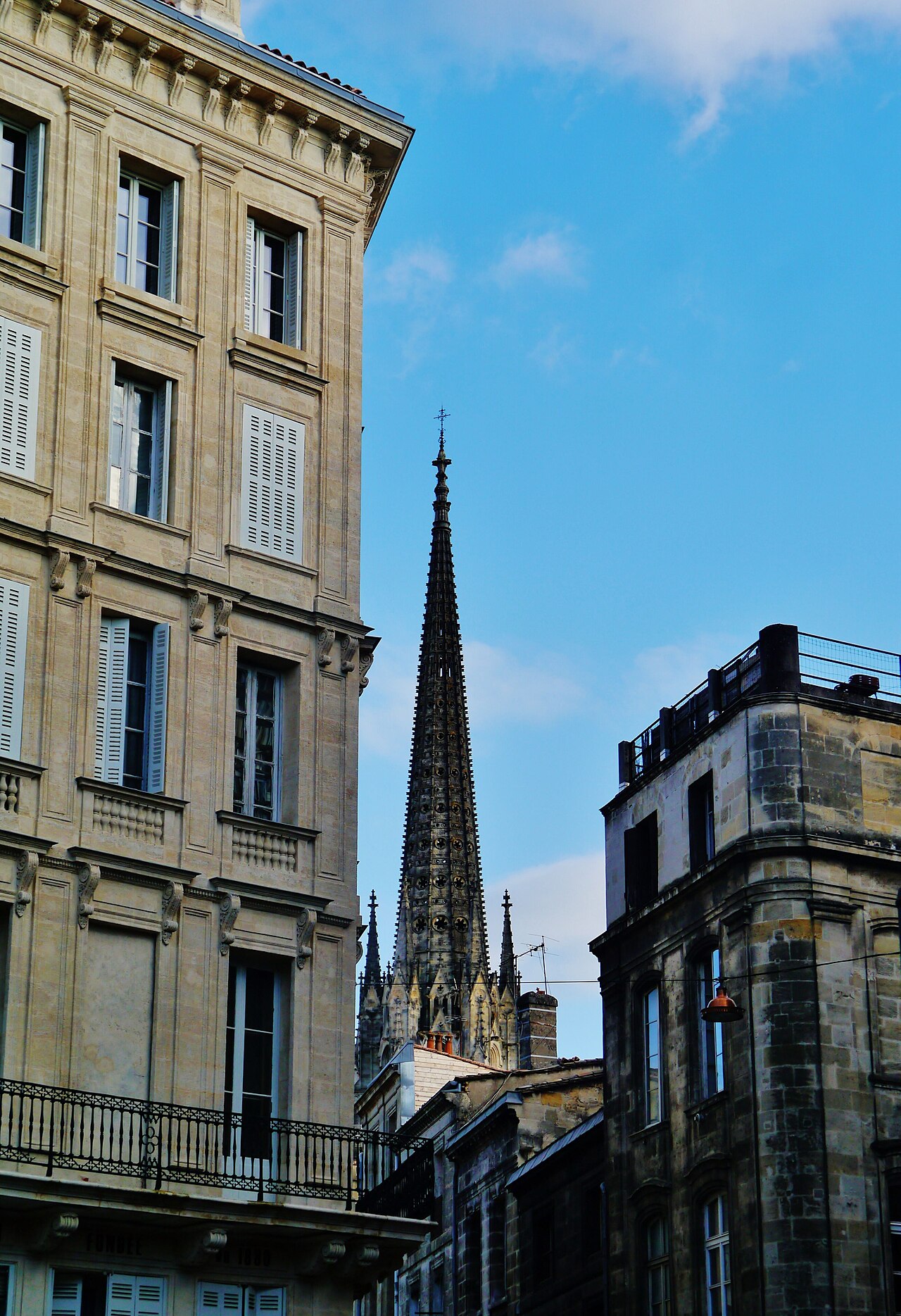
Go hungry and eat where you see locals queuing. Combine it with the Flèche Saint-Michel and the Saint-Michel quarter, which has its own lively square and, around the basilica, shops and cafés. A guided food tour is a good alternative if you would like an introduction to what to buy and eat, and the market is an easy place to put together a picnic for a vineyard day.
It is a particularly good rainy-day option, because it is covered and you can spend a morning there without worrying about the weather.
There is one more reason to visit that has nothing to do with eating: the market is a good place to buy edible souvenirs. Local specialities such as canelés, regional cheeses and preserves travel well, and the traders are used to visitors who ask what to choose. If you are staying in an apartment, it is also the best place in the city to shop for a picnic or a simple dinner, and the staff will often suggest what is in season and what pairs with the bottle you have in the bag.
What to expect
The experience
A free wander through a covered 19th-century market of produce, fish and shellfish, with counters where you can eat.
Best time
Morning, before lunch, when the stalls are full and the atmosphere is liveliest.
How long
An hour to wander, longer if you eat there.
Tips
Check opening hours before you go, since the tourist office page does not publish them. Carry cash and a card.
Quick picks
- Best for
- Food lovers and anyone who wants to see everyday Bordeaux.
- Families
- Children enjoy the colour and the seafood stalls; keep close in the crowds.
- Couples
- A shared plate of oysters and a glass of white wine in a lively setting.
- Pair with
- The Flèche Saint-Michel and the Saint-Michel quarter.
- Time needed
- One to two hours.
Good questions
What is the Marché des Capucins?+
A covered market on Place des Capucins, nicknamed the belly of Bordeaux. The first weekly market dates from 1749 and the iron-and-glass halls from the 19th century.
Is it free to visit?+
Yes, entry is free. You pay only for what you buy or eat.
Can I eat at the market?+
Yes, there are tables and counters where you can sit and eat, particularly around the fish and shellfish stalls.
When is the best time to go?+
In the morning, before lunch. Check the market’s opening hours before you travel.
How do I get there?+
It is about twelve minutes on foot from Saint-Jean station, or a short tram ride from the centre.