Boston is one of the great museum cities in the United States, and the difficulty is rarely finding something to visit. It is deciding what to leave out. Between world-class art, science, natural history, children's museums and a growing list of playful modern attractions, you could spend a week indoors without repeating yourself. This guide helps you pick the museums that suit your trip, group them sensibly and avoid the fatigue that comes from trying to see everything.
Start with how much time you have
If you have one museum day, choose a single big museum and give it half a day. The Museum of Fine Arts is the obvious pick for art lovers, with its Egyptian, Asian, American and Impressionist collections. For two days, add a second museum of a different kind, such as science or natural history, so that your eyes and brain get variety. For longer trips, spread museums across the visit rather than stacking them, since one or two a day is plenty and the rest of the time is better spent outside.
For art lovers
The Museum of Fine Arts, Boston is the encyclopedic anchor, and the Isabella Stewart Gardner Museum is its opposite, a Venetian-style palace built around a flower-filled courtyard and arranged exactly as its founder left it. The empty frames where thieves removed paintings in 1990 add a mystery that visitors never forget. Across the river, the Harvard Art Museums bring three collections under one glass-roofed building, and the Institute of Contemporary Art on the waterfront shows current work with sweeping harbor views. If you can only do one, pick the Gardner for atmosphere or the MFA for breadth.
For science and curiosity
The Museum of Science on the Charles River is a classic, with hands-on exhibits, a planetarium and a theater of electricity where lightning is made on demand. The MIT Museum in Cambridge focuses on innovation, with kinetic sculptures, holograms and robotics that appeal to teenagers and adults. The Harvard Museum of Natural History is smaller and quieter, with a celebrated collection of glass flowers and specimens from the animal kingdom, and it pairs easily with a Harvard Square walk. These three museums make an excellent trio for families, school-age children and curious adults.
For history lovers
The Revolution lives in Boston's historic buildings as much as in its galleries. The Old State House, the Old South Meeting House, the Paul Revere House and the Boston Tea Party Ships and Museum all sit on or near the Freedom Trail and tell the story of 1770s Boston through objects, reenactments and the buildings themselves. The Boston 250 Pass can bundle several of these historic museums into one ticket, which simplifies planning if you want most of them, and the Freedom Trail walk itself ties them together outdoors.
For families
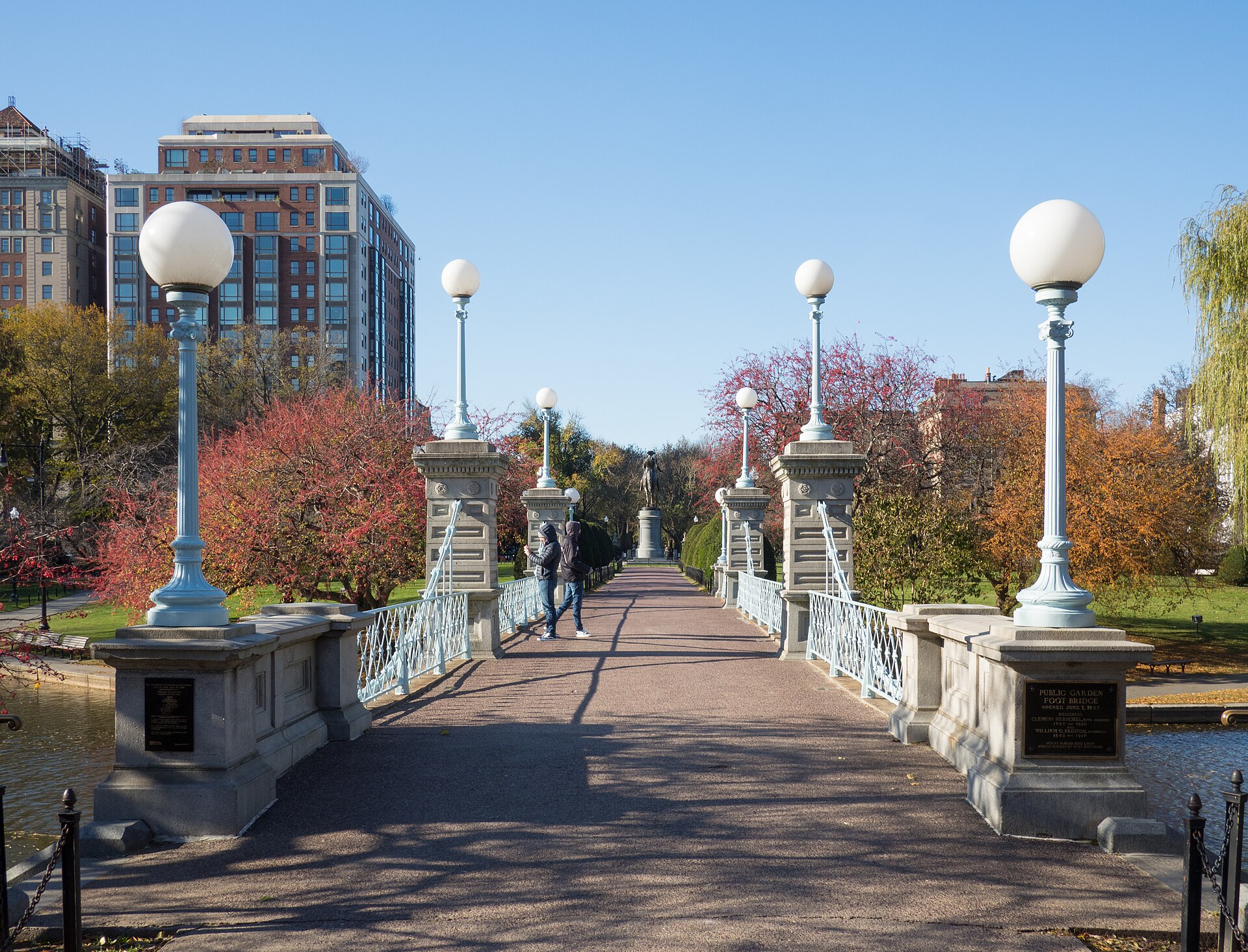
Boston is unusually well equipped for children. The Boston Children's Museum on the Fort Point Channel is built for young children with climbing, building and water play, while the New England Aquarium and the Museum of Science suit older ones. The Museum of Ice Cream and the Museum of Illusions add playful, photogenic options that work well on a rainy afternoon. Plan one museum a day for younger children and keep the afternoon free for the Common, the Public Garden and the Swan Boats, because small legs and short attention spans need a break from indoor settings.
For a rainy day
Boston's weather can turn quickly, and museums are the natural fallback. The best wet-weather picks are those that take a few hours and offer variety, such as the Museum of Fine Arts, the Museum of Science, the aquarium and the interactive attractions. The Boston Public Library in Copley Square is a free, beautiful alternative, with a grand reading room and an inner courtyard worth a visit even if you have no books in mind. If you are caught out downtown, the Old State House and the Faneuil Hall area give you shelter and history within a few steps.
Passes and tickets
If you plan to visit several attractions, a pass can save time and money. The Boston CityPASS bundles a fixed set of top attractions, while the Explorer Pass lets you choose from a longer menu of museums, cruises and tours. Do the math against single tickets, count how many sights you will realistically see and check which venues require timed reservations even with a pass. For one or two museums, buying single tickets is simpler. Booking ahead is wise for popular attractions on weekends and holidays, and most museums are quietest on weekday mornings.
Getting around
Most of the major museums are reachable by the subway, which the locals call the T. The Museum of Fine Arts and the Gardner sit in the Fenway area, the Museum of Science is by the Charles River near the Green Line, and the Harvard and MIT museums are a short Red Line ride into Cambridge. Group your museums by neighborhood to reduce travel time, and pair each with a nearby meal, since the surrounding areas have plenty of options. Many museums also have late hours on certain evenings, which can be calmer than weekends.
A sample museum plan
For a balanced three days, spend the first morning on the Freedom Trail and the historic museums, the second on the Museum of Fine Arts with an afternoon in the Fenway, and the third in Cambridge with the Harvard Museum of Natural History and the MIT Museum. Add the aquarium or the Museum of Science if you have children, and leave room for the harbor. The goal is variety without exhaustion, so build in breaks and be willing to cut a stop when energy runs low. Boston's museums reward unhurried visits, and the best trips leave you wanting to return.