Northern Botswana is not a city break. It is two bases, Maun for the Okavango Delta and Kasane for Chobe National Park, a long way apart, with wildlife and water as the main attractions. A little planning turns it from confusing into simple. This guide covers the seasons, what to book, how to move around and how long to stay. Victoria Falls is a separate trip with its own guide, and we do not repeat it here.
The seasons, honestly
The wet season runs roughly from November to March. It is hot and humid, with afternoon thunderstorms, green bush, newborn animals, excellent birding and lower prices, but wildlife is more dispersed and some tracks can be muddy. The dry winter, roughly June to October, is the classic safari time: clear skies, cooler mornings and animals concentrated near water. The Okavango flood is a twist. The rain falls in Angola months earlier, and the water reaches the Maun area in the dry winter, peaking around June to August, according to UNESCO. So the Delta is at its fullest when the land around it is at its driest. Early November, when we checked, sits at the start of the wet season, so expect heat and the first storms.
What to book ahead
In June to October, book your Delta and Chobe trips and any lodge stay well ahead, because Maun and Kasane fill up. Mokoro day trips and Moremi day trips can often be arranged a few days in advance, but not always in the peak months. Multi-day camping safaris and lodges inside the parks need the most notice. Read cancellation terms carefully, because several Delta products are non-refundable and cannot be changed.
Choosing your Delta trip
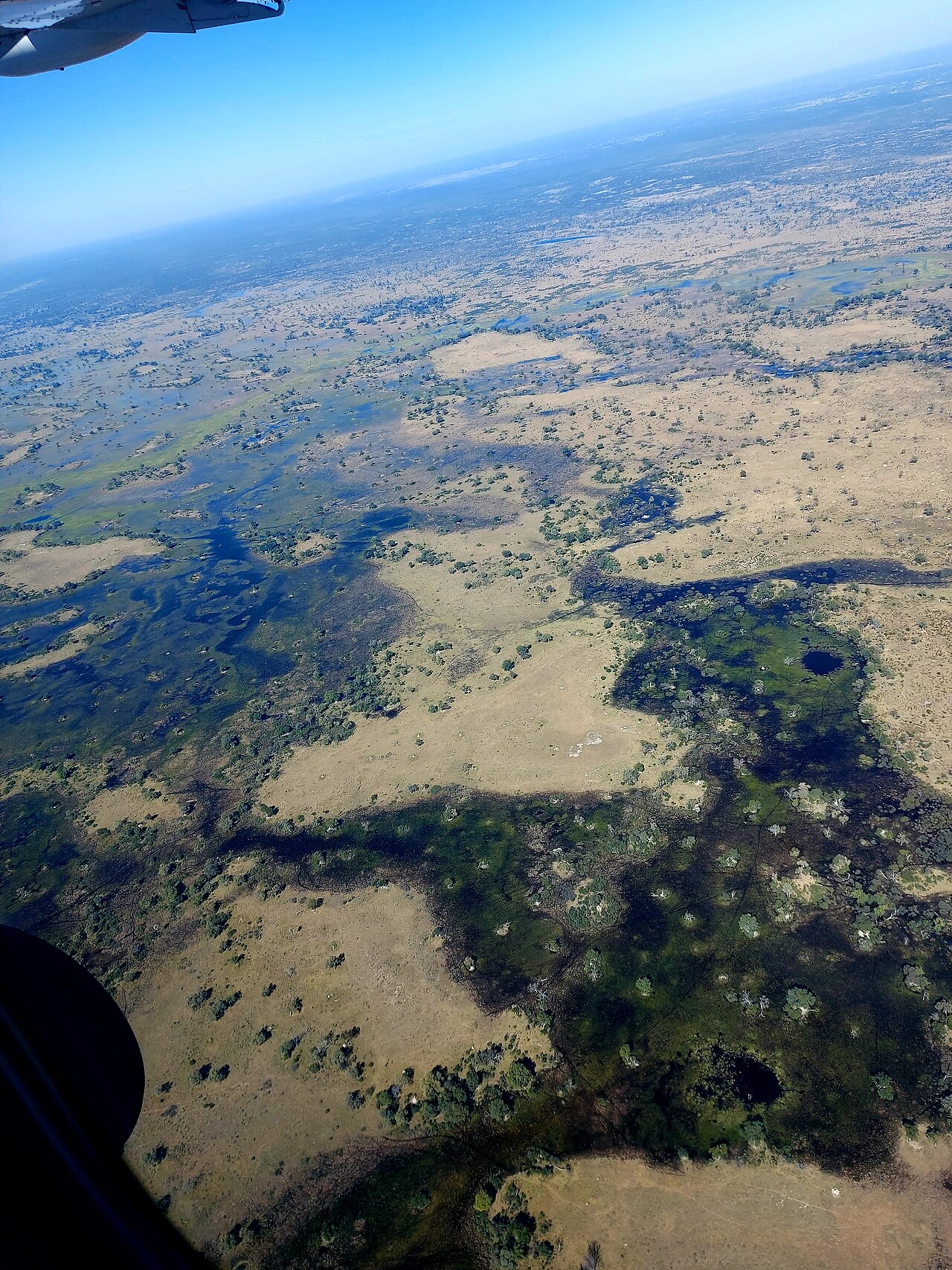
The mokoro day trip from Maun is the easiest first taste: hotel pickup, about six hours in the Delta and lunch on an island. If you want to sleep out, the two-night wild camping trip is the best-value step up. For big game, the Moremi Game Reserve is the only officially protected part of the Delta and covers about 3,900 square kilometres of floodplain and woodland, with a Big Five line-up. A full-day Moremi trip from Maun is long but rewarding. For a bird's-eye view, ask Maun operators about scenic flights, which show the Delta as a pattern of channels and islands.
Choosing your Chobe trip
Kasane is the gateway to the Chobe Riverfront, where elephants gather at the water, especially in the dry months. The full-day safari combines a game drive and a boat safari with lunch, and the small-group trip gives you a shorter version. Anglers can try the river fishing trip. Allow at least two nights in Kasane so that you can do a drive and a cruise without rushing.
Getting around
Maun and Kasane both have airports, and most visitors fly into one and out of the other, or connect through Johannesburg or another regional hub. The two bases are far apart by road, so do not plan to drive between them in a day without checking distances and road conditions. Within each town, taxis and operator pickups are the usual way to get around. Most operators collect from hotels and lodges, so give them your accommodation name when you book. Self-driving into the parks requires a suitable 4x4, permits and experience in sand.
How many days
Allow four to six days for a first trip. A good pattern is two nights in Maun for a mokoro day trip and a Moremi day, or three nights if you add a camping trip, followed by two nights in Kasane for a full day on Chobe and a cruise. With more time, add a multi-day camping safari or a lodge stay inside the parks.
What to pack and know
Wear neutral colours, a hat, sunscreen, insect repellent, a warm layer for winter mornings and a light rain jacket in the wet season. Pack in soft bags, because space in boats and vehicles is limited. Bring binoculars and a camera with a zoom lens. Northern Botswana is a malaria area, so speak to a travel clinic well before you go. Carry some cash for tips, and expect limited phone signal outside the towns.
The honest take
Botswana is not cheap, and the Delta in particular rewards booking the right operator and the right month. If you only have one day, do the mokoro trip. If you have two, add Moremi or Chobe. And if you can, plan for the dry season.