Bozeman is a university town of about fifty thousand people in a broad valley ringed by mountains, and it works as both a destination and a gateway. Many visitors pass through on the way to Yellowstone, but those who stay a few days find a lively downtown, a world-class museum, hot springs, rivers and ski areas within an hour. This guide explains how the pieces fit together so you can plan with confidence.\n\nUnderstand the layout. The Gallatin Valley is flat and wide, with Bozeman at its southern end. The Bridger Range rises to the northeast, the Gallatin Range to the south and the Tobacco Root and Madison ranges to the west. Downtown, centered on Main Street, is compact and walkable. Montana State University and the Museum of the Rockies sit on the south side. Hotels cluster along the interstate corridor on the north and west sides, with a few in the university area and downtown. Belgrade, home of the airport, lies about twenty minutes west.\n\nStart with downtown. Spend your first afternoon walking Main Street. The historic brick blocks, independent shops and breweries give a sense of the town, and a self-guided walking tour adds stories. The Gallatin History Museum, in the old county jail, is a short stop. In the evening, restaurants and taprooms fill with students, skiers and locals.\n\nSee the Museum of the Rockies. It is the best indoor attraction in the region, with one of the largest dinosaur collections in the country, a planetarium and regional history galleries. Allow two to three hours, and save it for a rainy or smoky day if the weather is uncertain.\n\nGet outside quickly. Hyalite Canyon and Palisade Falls are forty minutes south, Bridger Bowl is half an hour northeast, and the Gallatin River runs through the canyon toward Big Sky. Even a short outing is rewarding. Pick one active plan per day: a hike, a raft trip, a bike ride or a hot spring soak, and keep the rest of the day flexible.\n\nAdd a hot spring. Bozeman Hot Springs is the easy choice, minutes from town, with a dozen pools. Chico Hot Springs in Paradise Valley is a longer outing with a historic lodge and dining room. Either is a good reward after a day of hiking or skiing.\n\nTake a day trip. Big Sky is an hour south and has resort activities in summer and winter. Livingston, half an hour east, is a railroad town with galleries and the Yellowstone River. The Missouri Headwaters near Three Forks, thirty-five minutes west, is a quiet historic site. A guided day tour is the simplest way to see Yellowstone, which is about ninety minutes away.\n\nChoose your season. Summer brings long days, rafting, hiking and festivals, but also the biggest crowds and highest prices. Autumn offers gold cottonwoods, cooler days and good fishing. Winter is for skiing, hot springs and snowmobiling, with cold temperatures and quick weather changes. Spring is muddy and quiet, with some trails and roads still closed.\n\nPrepare for altitude and weather. Bozeman sits at roughly 4,800 feet, and the mountains rise well above that. Drink water, wear sunscreen and carry layers in every season. Thunderstorms build in summer afternoons, and snow can arrive early or late. Check road conditions before driving Bozeman Pass or Gallatin Canyon in winter.\n\nRespect wildlife. Bears, moose, elk and bison live in this region. Carry bear spray on trails, keep a safe distance from animals and never feed them. Rangers and guides can explain the rules, and local shops sell bear spray and safety gear.\n\nBook the important things. Reserve rafting, guided fishing, snowmobile rides and Yellowstone tours ahead in summer and winter. Hotels sell out around holidays, the Sweet Pea Festival and university events. Dining reservations help on weekends, especially at Chico and other destination restaurants.\n\nGetting around. A rental car is the easiest way to see the region. The airport is served by many airlines, and shuttles run to Bozeman and Big Sky. Downtown is walkable, and local buses and rideshares cover some routes, but service is limited late at night and in winter.\n\nBudget. Bozeman is not cheap, but many of the best experiences are low cost: a walking tour, a hike, a museum and a soak. Splurge on one signature activity, such as a guided fishing day or a Yellowstone tour, and keep the others simple.\n\nA simple plan. Day one: downtown walk, Gallatin History Museum and dinner on Main Street. Day two: Museum of the Rockies and a hot spring soak. Day three: Hyalite Canyon or a day on the Gallatin River. Add a Yellowstone day if you have a fourth.
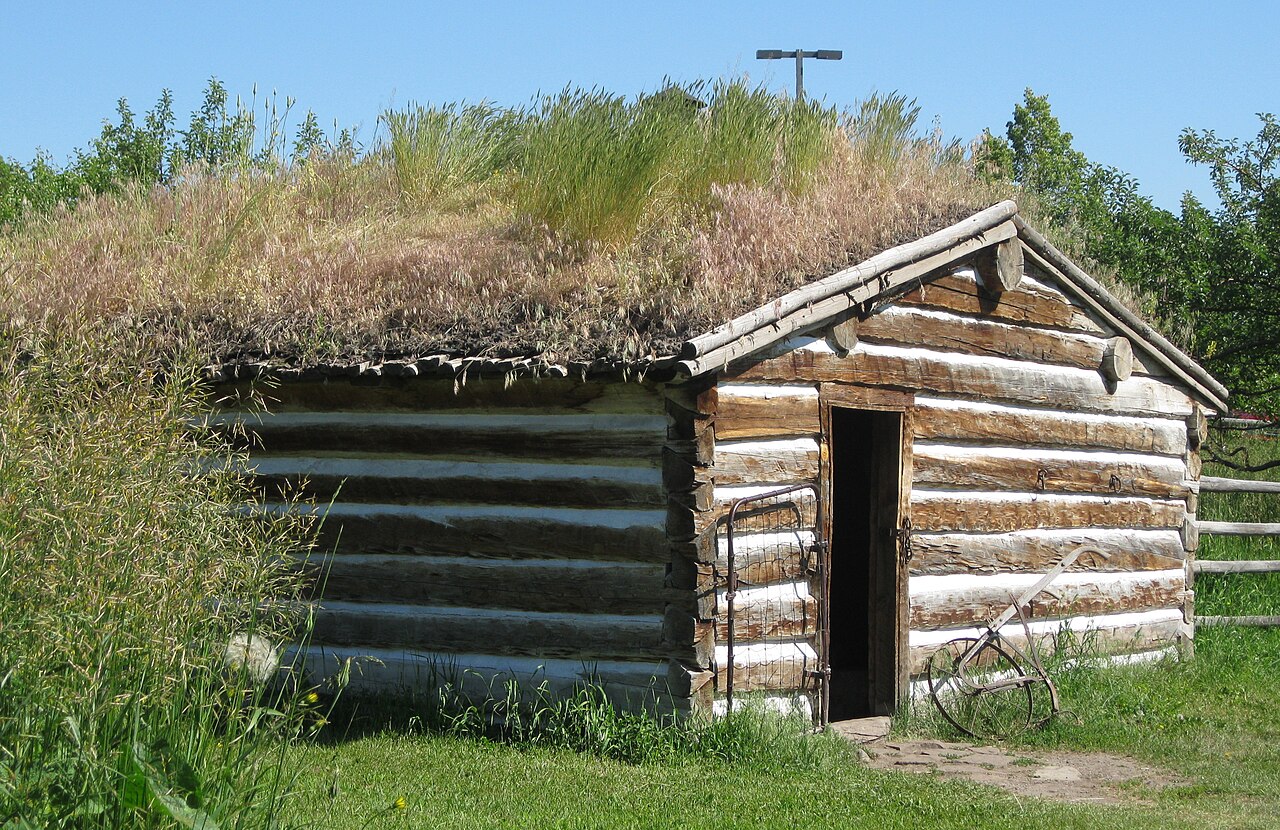
Bozeman & Big Sky guide
Bozeman for First-Timers
A practical first-visit guide to Bozeman, Montana: what to see, how the Gallatin Valley is laid out, when to go and what to book ahead.
Mentioned in this guide
DoMuseum of the Rockies
Montana State University's world-class natural and cultural history museum, home to one of the largest dinosaur fossil collections in the United States.
 Do
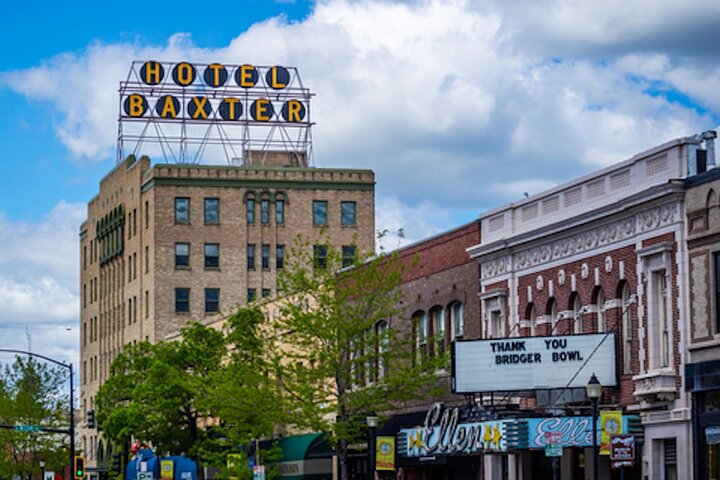
Main Street Memories Self-Guided Walking Tour
A low-cost, go-at-your-own-pace walk through downtown Bozeman's historic Main Street, with stories behind the brick blocks, theaters and old storefronts.
 Do
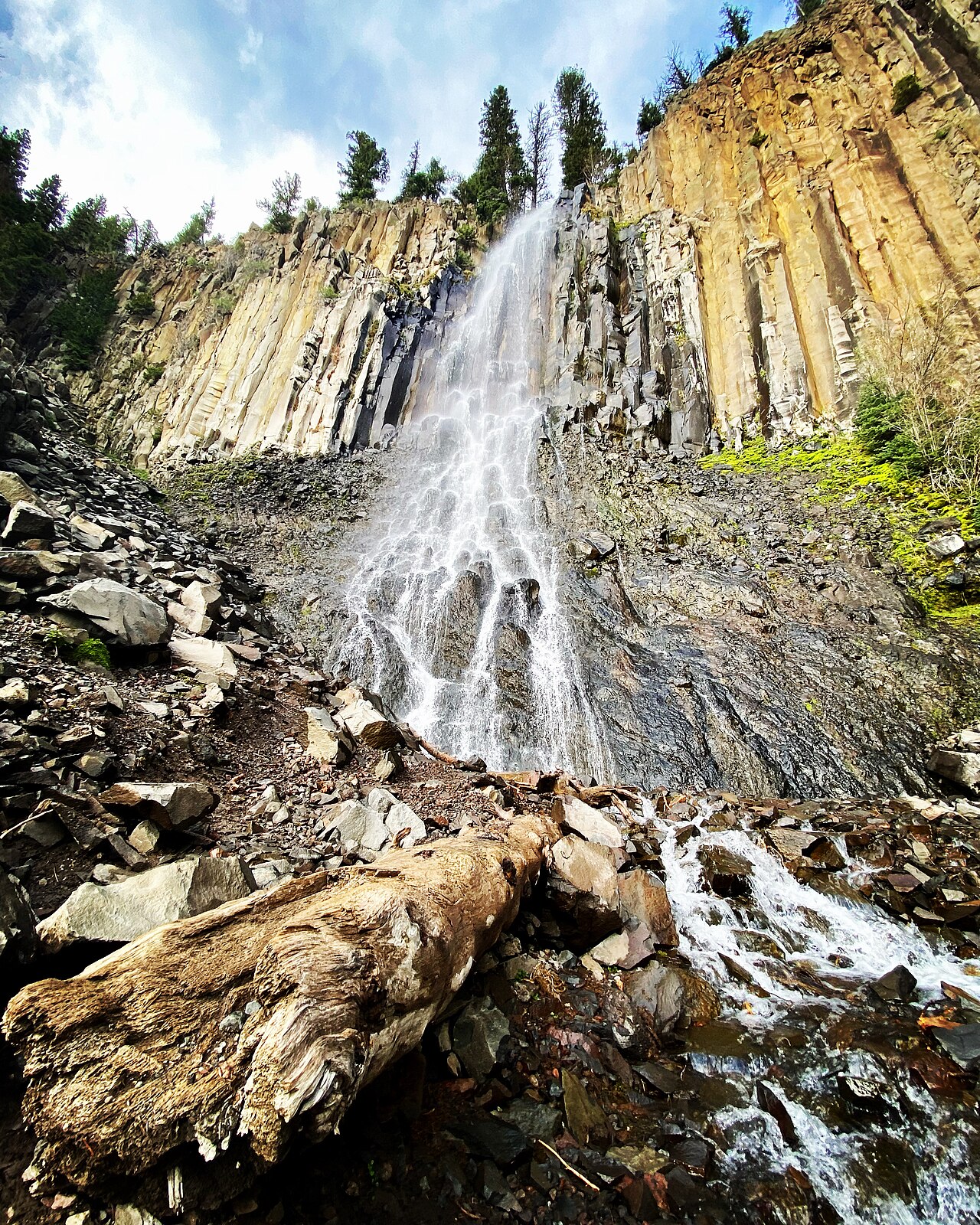
Hyalite Canyon and Palisade Falls
A mountain canyon south of Bozeman with a reservoir, waterfalls and trails, including the short paved walk to Palisade Falls.
 Do
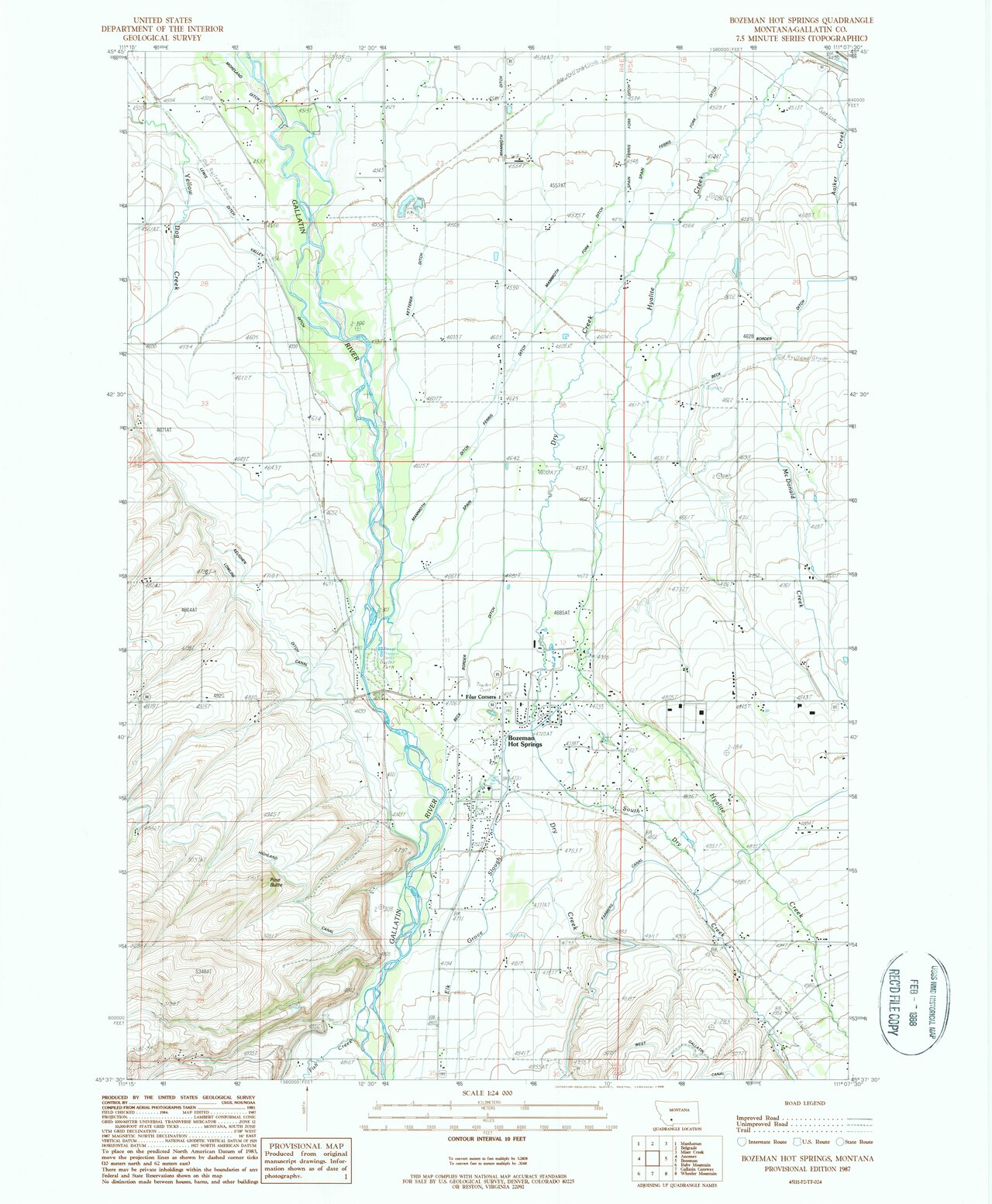
Bozeman Hot Springs
A family-friendly mineral hot springs complex west of town, with a dozen pools of different temperatures, a sauna and a relaxed, local feel.
Big Sky Resort and Lone Peak
One of the largest ski areas in the United States, an hour south of Bozeman, with the Lone Peak Tram in winter and lifts, ziplines and hiking in summer.
Residence Inn by Marriott Bozeman
An all-suite extended-stay hotel with kitchens and free breakfast, a practical base for families and longer Montana trips.
Hampton Inn Bozeman
A straightforward Hilton-brand hotel with free breakfast, a pool and easy highway access, good value for families and road trippers.
Best Western Plus GranTree Inn
A long-standing Best Western Plus near Montana State University and the Museum of the Rockies, with a pool, hot tub and free breakfast.