Winter transforms Bozeman into a ski town. From December to April, snow blankets the mountains, locals head to the slopes after work and visitors fill hotels from Big Sky to Livingston. Winter has its own pleasures, including powder skiing, steaming hot springs and quiet Yellowstone wildlife viewing, but it also demands preparation. Use this guide to plan.\n\nBridger Bowl. The community-owned ski area is thirty minutes from town and offers excellent value, powder snow and a relaxed atmosphere. Beginners have gentle slopes and lessons, while experts head to the steep ridge terrain, where avalanche beacons are required. A ski bus runs from town in season, which avoids parking.\n\nBig Sky Resort. An hour south, Big Sky is one of the largest ski areas in the country, with a huge vertical drop, wide groomers and the steep terrain of Lone Peak. Lodging, restaurants and ski school make it a full resort experience. Lift tickets rise during holidays, so buy early.\n\nSnowmobiling. Guided snowmobile rides near Big Sky offer a different way to enjoy the snow, with options from two hours to a full day. No experience is needed, and guides provide gear. Dress warmly, and book ahead for holiday weeks.\n\nHot springs. Winter is the best season for soaking. Bozeman Hot Springs is close to town and open to families, while Chico Hot Springs in Paradise Valley delivers a historic setting, a dining room and steam rising into the cold air. Plan a soak after skiing, and drink water.\n\nYellowstone in winter. Most park roads close to wheeled vehicles in winter, but the northern range around Mammoth and the Lamar Valley stays accessible and is a prime place to see wolves and other wildlife. Guided tours handle the driving and know where animals are. Other areas require snowcoach or snowmobile access.\n\nHyalite Canyon. The canyon becomes a winter playground for ice climbers, snowshoers and cross-country skiers. Check road closures and avalanche forecasts before you go, and carry safety gear if you leave marked routes. Palisade Falls freezes into a blue column in cold spells.\n\nDowntown in winter. Main Street is lively, with holiday lights, cozy taprooms and restaurants with fireplaces. The Museum of the Rockies and the Gallatin History Museum are good indoor options on stormy days.\n\nDriving safely. Winter driving in Montana is a skill. Bozeman Pass and Gallatin Canyon can be icy, and storms close roads without warning. Use winter tires or carry traction devices, keep the tank full and carry blankets, water and snacks. Check road conditions before departure, slow down and leave space. If you are not confident, use shuttles or take a guided tour.\n\nWhat to pack. Pack thermal layers, insulated waterproof boots, warm socks, gloves, hats, goggles and sunscreen. The sun reflects off snow and altitude intensifies it. Bring a daypack, a water bottle and lip balm. Hand warmers are inexpensive and effective.\n\nCold-weather health. Cold and altitude can combine to cause headaches and fatigue. Drink water, eat well and rest if you feel unwell. Watch for signs of frostbite and hypothermia, especially on children and older adults.\n\nDaylight and timing. Winter days are short, so start early and plan to be off the roads before dark. Wildlife is active at dawn and dusk, which creates both opportunities and hazards.\n\nBooking and cost. Holidays and powder weekends are expensive, and hotels sell out. Midweek and early-season stays offer lower prices. Refundable rates protect you from storms, and travel insurance can help with flight disruptions.\n\nSample winter plan. Day one: Bridger Bowl and a soak at Bozeman Hot Springs. Day two: Big Sky skiing or snowmobiling. Day three: a guided Yellowstone wildlife day or a stay at Chico. Add rest days with museums and brewery evenings.\n\nKids in winter. Children love snow, but cold arrives quickly. Dress them in layers, take warm-up breaks and plan short sessions. Ski school and Bridger Bowl's easy slopes build confidence, and a hot spring or a hot chocolate afterward keeps spirits high.\n\nSafety on slopes. Follow the skier responsibility code, obey closures and carry avalanche gear if you leave patrolled terrain. Take lessons if you are new, and use helmets, which are widely worn.\n\nWhere to eat after the slopes. Apres-ski in Bozeman is casual: taprooms near downtown fill with skiers, and restaurants with fireplaces serve soups, burgers and bison chili. In Big Sky, the village has bars and restaurants close to the lifts. Reserve for dinner on weekends and holidays.
Bozeman & Big Sky guide
Bozeman in Winter
A winter guide to Bozeman and Big Sky: Bridger Bowl, Big Sky Resort, snowmobiling, hot springs, driving safety and what to pack.
Mentioned in this guide
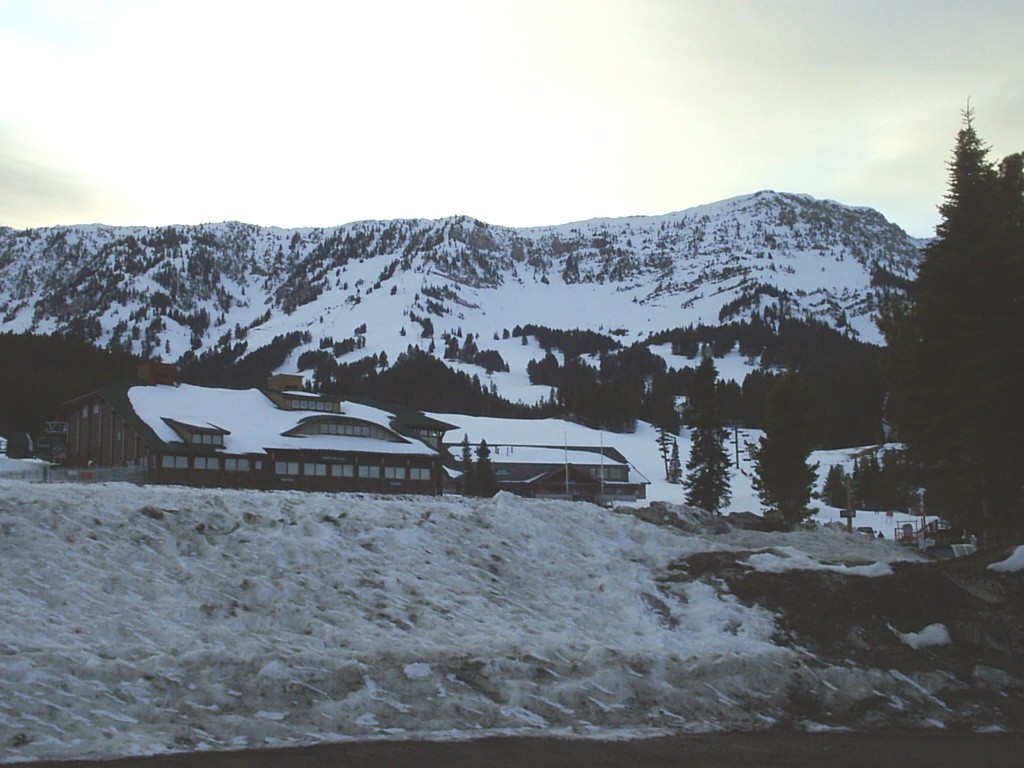
DoBridger Bowl Ski Area
A community-owned ski area just sixteen miles from Bozeman, known for light powder, steep terrain and lift tickets that cost far less than the big resorts.
Big Sky Resort and Lone Peak
One of the largest ski areas in the United States, an hour south of Bozeman, with the Lone Peak Tram in winter and lifts, ziplines and hiking in summer.
 Do
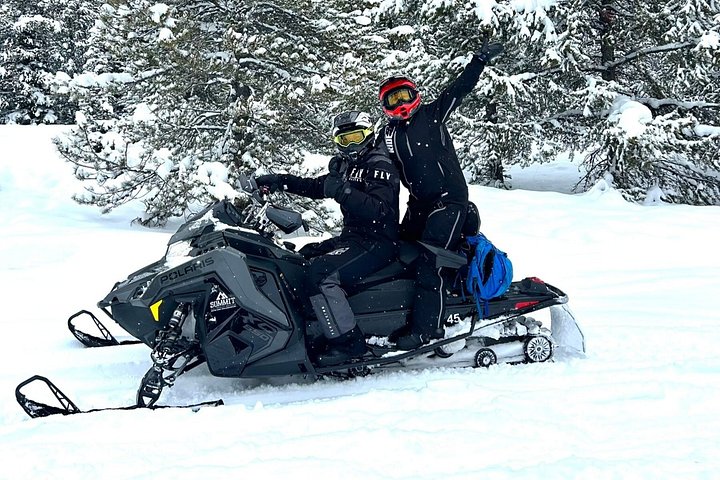
Big Sky Snowmobile Adventure
A guided snowmobile ride through the snowy forests and meadows of the Big Sky area, with options of different lengths from two hours to a full day.
 Do
Bozeman Hot Springs
A family-friendly mineral hot springs complex west of town, with a dozen pools of different temperatures, a sauna and a relaxed, local feel.
Chico Hot Springs Resort and Day Spa
A historic mineral hot springs resort in Paradise Valley, about an hour and a half from Bozeman, with big pools, a lively saloon and a renowned dining room.
Holiday Inn Express Hotel and Suites Bozeman West
A budget-friendly IHG hotel on the west side of town, with free breakfast and quick access to the roads toward Big Sky.
Chico Hot Springs Resort and Day Spa
A historic hot springs lodge in Paradise Valley with mineral pools, a celebrated dining room and a saloon, about an hour and a half from Bozeman.
Sage Lodge
A contemporary luxury lodge in Paradise Valley with cabins, a spa, a restaurant and fishing access along the Yellowstone River.