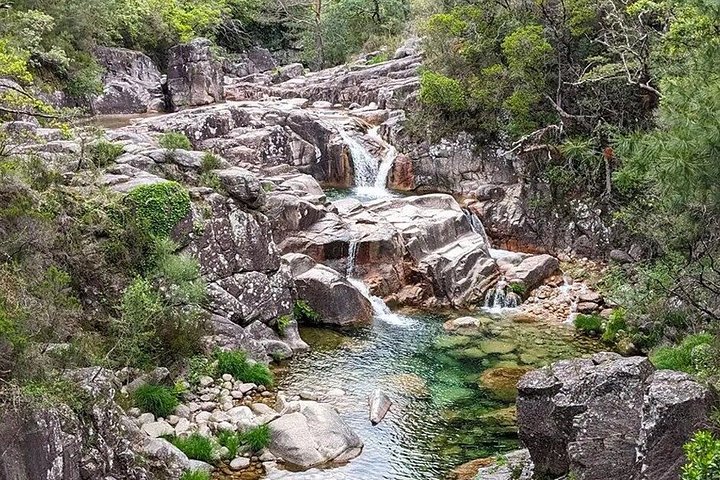
The Peneda-Geres National Park fills the north-west corner of Portugal on the border with Galicia, and it is the country's only national park. Established in 1971, it protects a landscape of granite peaks, deep valleys, mountain lakes and ancient oak woodland where the Atlantic climate brings heavy rain and the plateau holds the cold. Wildlife includes the garrano, a small, hardy semi-wild horse, the Barrosa cattle with their lyre-shaped horns, roe deer, wild boar, golden eagles and, rarely, the Iberian wolf. Villages inside the park keep older ways of life, with stone houses, communal ovens and espigueiros, the elevated granite granaries that dot the hillsides. The park is divided into several areas: the Geres sector, closest to Braga, with its reservoirs, waterfalls and forest roads; Peneda to the north, wilder and more remote; Soajo and Lindoso, known for their granaries; and Castro Laboreiro, high on the plateau. For a day from Braga, most visitors head to the Geres area, where there are viewpoints, waterfalls, bathing spots in rivers and the Portela do Homem border pass with its Roman road.
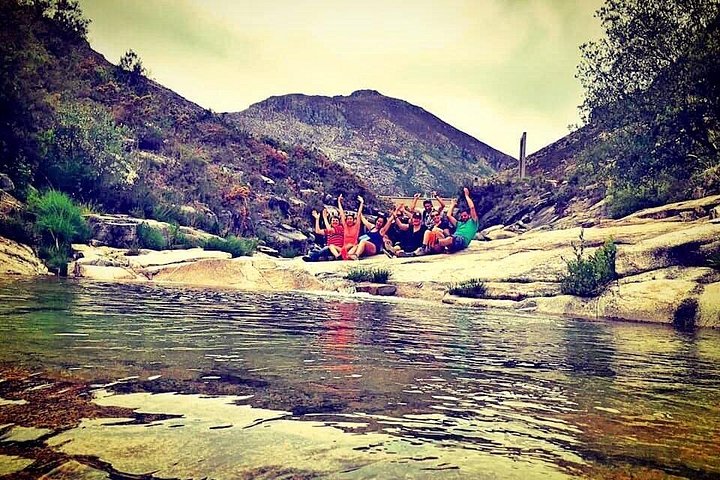
Activities range from easy to demanding. There are marked trails, including the Roman road with its surviving milestones, short walks to waterfalls such as the Arado and the Tahiti pools, and long hikes that cross the high plateau. Swimming in natural pools is popular in summer, although water can be cold and currents strong, so follow local advice.
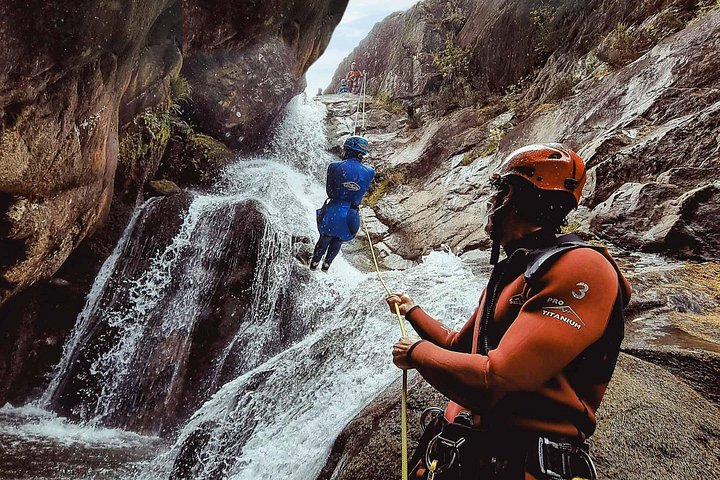
Canyoning, river trekking, kayaking, cycling, horse riding and 4x4 tours are all offered by local operators, and guided tours from Braga make a visit easy without a car. Mountain roads are narrow and winding, so allow extra time, and weather can change fast, with fog and rain even in summer.
Bring layers, sturdy shoes, water and snacks, since facilities are limited in the interior. Summer is busiest, particularly weekends at the main waterfalls; spring brings flowers and strong water, autumn gives colour and cooler hiking, and winter offers snow on the heights and quiet. Fire risk in dry months means restrictions on fires and some access, so check local rules. The park is free to enter, though some activities, parking areas and guided visits have charges.
Respect wildlife and farm animals, keep to paths, take rubbish away and avoid disturbing grazing livestock. For a first visit, a guided day tour is the easiest way to combine viewpoints, a waterfall and a village, while independent visitors with a car can design their own loop, starting early to avoid the midday crowds. Plan around daylight and distances rather than a list of sights: roads are slow and the best places are often a short walk from where you park, so choose two or three stops and enjoy them.
A basic map or offline navigation helps because mobile coverage can drop in the valleys, and local tourist offices and park information points can advise on trails, conditions and safety. Remember that the park is also a home and a workplace: shepherds, farmers and villagers live here, so drive slowly, close gates behind you and ask before photographing people. Buying bread, cheese or honey from village shops helps the local economy and gives you a taste of the mountains to enjoy later.
What to expect
The experience
A day or more of scenic drives, waterfall walks, village visits and optional adventure activities in a mountain national park.
Best time
Spring and autumn for walking; summer for swimming in the rivers; winter for quiet and snow on the heights.
How long
A day trip from Braga takes about eight hours with travel; hikers can spend several days.
Tips
Bring layers, sturdy shoes, water and snacks, and check weather and fire restrictions.
Quick picks
- Best for
- Nature lovers and anyone who needs a break from cities.
- Families
- Easy waterfall walks and wild horses work well for families; keep an eye on children near water.
- Couples
- Quiet viewpoints and a picnic by a river.
- Pair with
- A guided day tour, canyoning and a Vinho Verde tasting on the way back.
- Time needed
- A full day at the least.
Good questions
How far is the park from Braga?+
The Geres area is a drive of roughly an hour from Braga, depending on the route and traffic.
Do I need a car?+
A car gives freedom, but guided day tours from Braga and Porto cover the highlights without driving.
Is the park free?+
Entry is free. Some activities and guided tours charge fees.
Can I swim in the rivers?+
Many visitors do in summer, but water is cold and currents can be strong. Follow local advice.
When is the best time to visit?+
Spring and autumn for hiking, summer for swimming, winter for quiet.