For centuries the Saxons of Brasov kept the Romanian population outside the town walls, and the district where they lived, Schei, still has a different feel from the old town. The streets climb gently below Tampa Mountain, the houses are lower and the pace is slower. At its heart, on Unirii Square, stands the Orthodox church of St. Nicholas, which tradition dates back to the thirteenth century. According to the city tourism pages, the current building replaced earlier wooden and stone churches and grew through the following centuries, with a tower added in the late sixteenth century and a major enlargement in the eighteenth. Inside are eighteenth-century wall paintings, and the courtyard also includes a small museum with an important collection of old books and documents. Next to the church is the First Romanian School, a modest building whose museum tells the story of Romanian-language education and printing in Transylvania, including some of the earliest books printed in Romanian.
Schei is easy to reach on foot. From Catherine's Gate, a short walk along the lower road leads into the district, and the church is a few minutes beyond. The whole visit can be done in one to two hours, including time to look inside the church and the school museum and to wander the surrounding streets. Because it is a working parish, the church may close for services, and visitors should dress modestly and keep voices low.
The First Romanian School is small but absorbing, with old classrooms, books and printing artefacts, and it is a good place to understand why the Romanian community in Brasov mattered culturally even when it had few political rights. Opening days, hours and entry fees vary, so check with the museum or the city tourism office before you set out. Allow about thirty minutes at the school and the same at the church, and add time for the courtyard and for a coffee in the district.
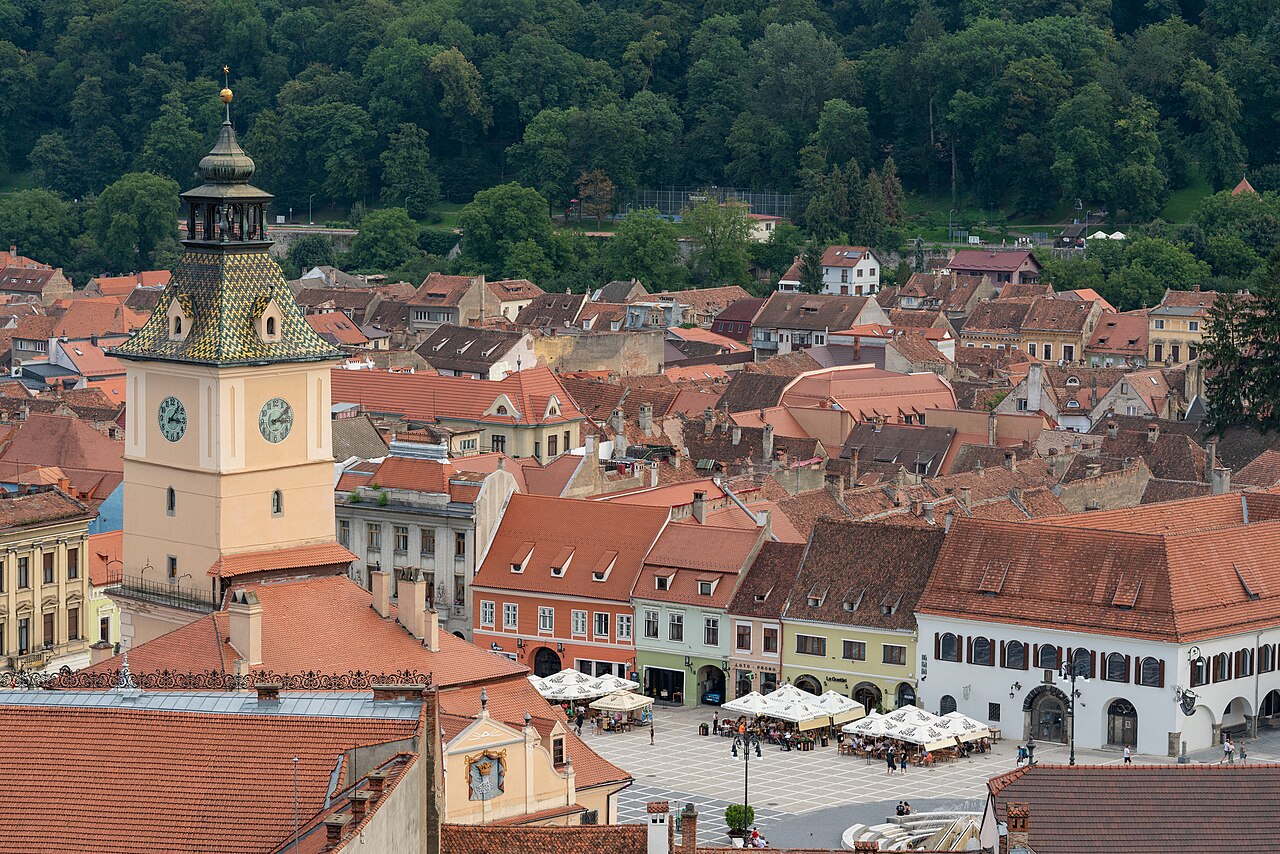
The streets of Schei repay slow walking. You will see traditional houses, small shops and, in some seasons, local festivals and processions linked to the church calendar. The district also lies on the route to the Weavers' Bastion and the upper walls, so it fits naturally into a loop that starts from Council Square. For visitors who want to understand Brasov as a city of several communities, rather than only as a Saxon showpiece, this quarter provides the missing half of the story, and it is far calmer than the main square.
If you are interested in food, small bakeries and cafes in and around the district sell local pastries and coffee at modest prices, and a stop in one of them makes a pleasant break. For photography, the church tower, the tiled roofs and the slope of Tampa Mountain above them make a balanced composition, especially in soft morning or evening light. Ask the staff at the church or the school about the history of the Romanian community and the books that were printed here, because those stories are often the most memorable part of the visit.
It is also a good district for a slow lunch, since cafes and small restaurants here tend to be cheaper and quieter than those on the main square, and you can combine the visit with the walk back along the walls.
What to expect
The experience
A free walk through the old Romanian quarter, with optional visits to the church and the First Romanian School museum.
Best time
Mid-morning or early afternoon, avoiding service times at the church.
How long
One to two hours including the church, the school and a short wander.
Tips
Dress modestly for the church, check museum hours, and combine the visit with Catherine's Gate and the Weavers' Bastion.
Quick picks
- Best for
- Curious visitors who want the quieter, more local side of Brasov.
- Families
- A calm district to stroll, though the museums are small and best kept short.
- Couples
- A peaceful walk away from the crowds on Council Square.
- Pair with
- Catherine's Gate, the Weavers' Bastion and the city walls.
- Time needed
- One to two hours.
Good questions
What is Schei?+
Schei is the historic Romanian quarter of Brasov, which lay outside the Saxon town walls. It has its own church, school and a quieter, village-like character.
How old is St. Nicholas Church?+
Tradition dates it to the thirteenth century. The present building replaced earlier wooden and stone churches and was enlarged in the eighteenth century.
What is the First Romanian School?+
It is a small museum next to the church that tells the story of Romanian-language education and printing in Transylvania.
Is the church open to visitors?+
Yes, outside services, but it is a working parish, so dress modestly and keep your voice low.
How do I walk to Schei from the old town?+
From Catherine's Gate it is a short walk along the lower road. From Council Square allow about twenty minutes on foot.