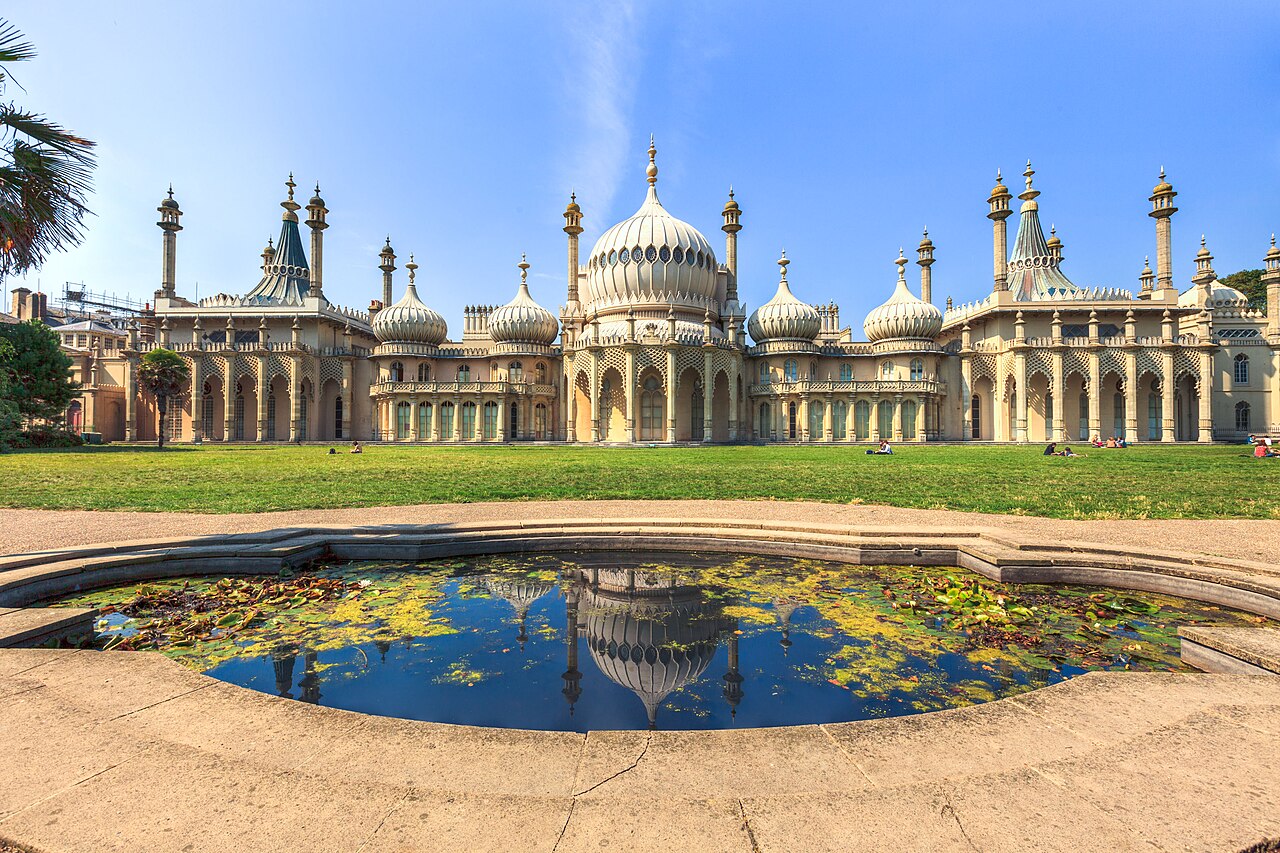
The Royal Pavilion is the building that made Brighton famous. It began as a modest farmhouse where the young Prince of Wales came to enjoy the sea air, and grew into one of the most extravagant royal residences in Britain. The architect John Nash remodelled it in the early nineteenth century for the Prince Regent, later George IV, wrapping an Indian-inspired outer shell of domes and minarets around rooms decorated in an exuberant Chinese style. Inside you find dragons, palm-tree columns, painted silk, a vast crystal chandelier in the Banqueting Room and a Music Room that glows with red and gold. Queen Victoria did not share her uncle's taste and sold the palace to the town, which saved it from demolition. During the First World War it served as a hospital for wounded soldiers from the Indian army. Today you can tour the staterooms, the private apartments and the restored gardens, and the rooms are as theatrical now as they were two centuries ago.
Plan the visit around a timed or dated ticket. Entry is sold for the whole palace and gardens, and the venue lists daily opening for most of the year, so buying ahead is sensible in school holidays and on summer weekends when the rooms fill up. An audio guide is worth taking if one is offered, because the stories behind the decoration, from the dragon chandelier to the kitchen with its towering copper pans, are half the fun. Allow about an hour and a half for a relaxed tour.
Look for the Banqueting Room first, where the chandelier hangs from the claws of a carved dragon above a table laid for a royal feast. The Music Room is the showpiece, with a domed ceiling of gilded scallop shells and lotus-shaped lights. Downstairs, the Great Kitchen shows how the Regent's chefs fed hundreds of guests. The private apartments upstairs are quieter and give a sense of how the palace worked as a home. Flash photography is generally not allowed inside, and some rooms can feel dim to protect the delicate fabrics.
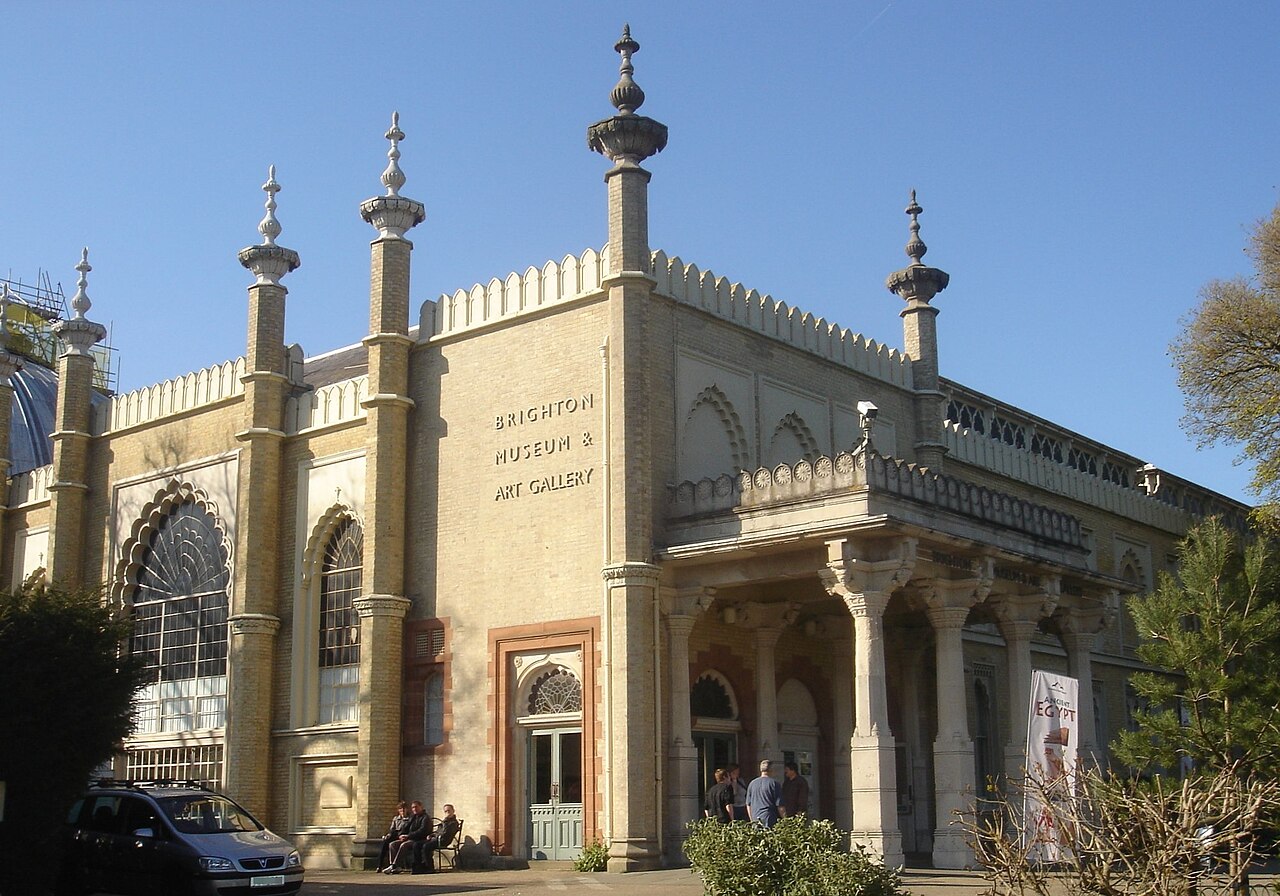
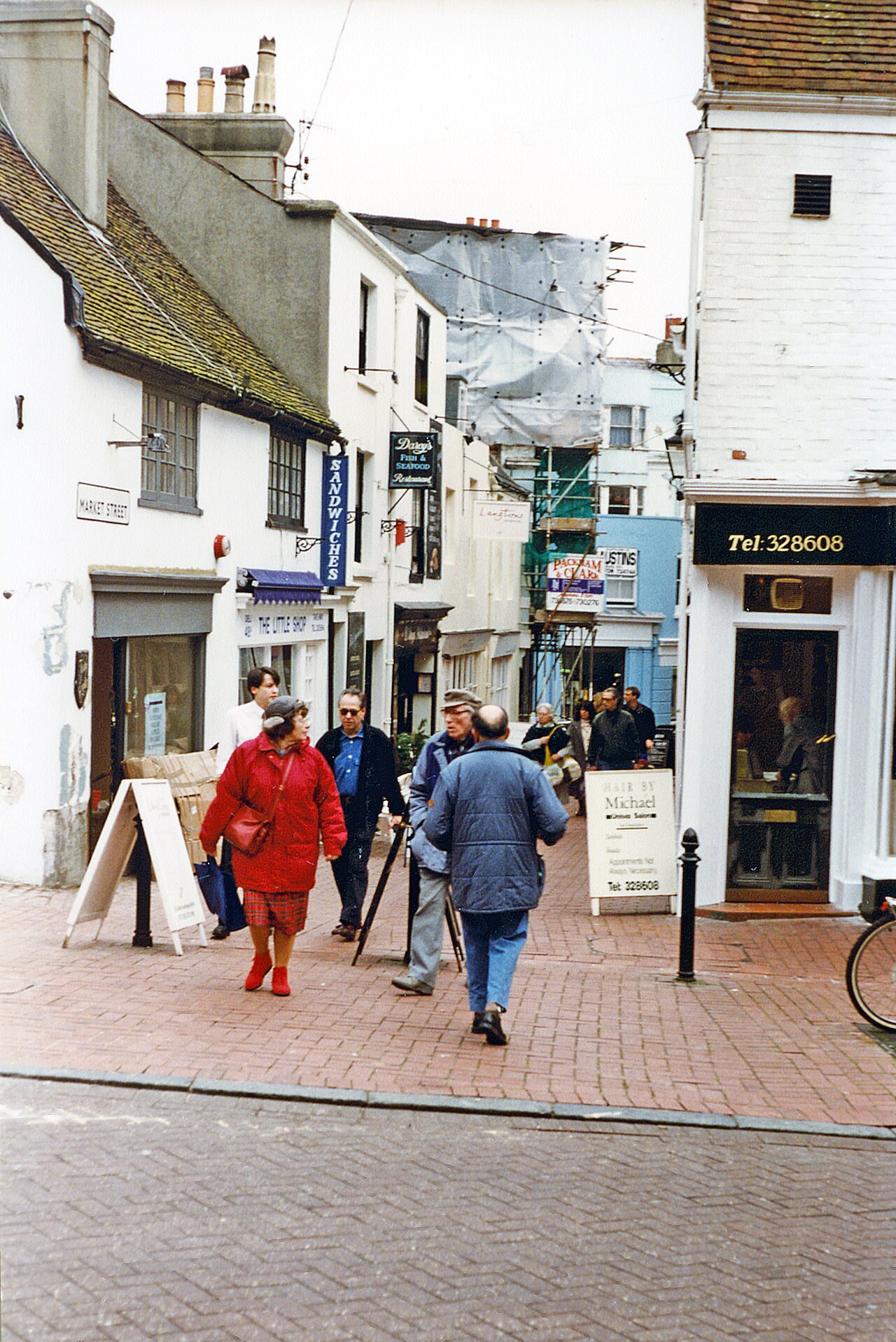
The palace is in the middle of the city, so it pairs easily with the rest of the day. The Pavilion Gardens beside it are free to wander, Brighton Museum and Art Gallery is next door, and the Lanes begin a few minutes away. Come early, or in the last part of the day, for thinner crowds, and expect the busiest hours around midday.
The building is old and has steps and narrow passages, so check access arrangements with the venue if you need step-free routes. In winter the palace can feel gloriously atmospheric, with the gardens quiet and the domes standing out against low light.
What to expect
The experience
A self-paced tour of the staterooms, private apartments and kitchen with an audio guide, followed by a stroll through the Pavilion Gardens.
Best time
Early in the day or towards closing for fewer visitors, and a dry afternoon if you want the domes against a clear sky.
How long
About an hour to an hour and a half inside, plus time for the gardens and a photo of the exterior.
Tips
Book ahead for weekends and school holidays, take the audio guide, and leave large bags at your hotel because space inside is tight.
Quick picks
- Best for
- Every first-time visitor, and anyone who loves quirky royal history, interior design or Regency architecture.
- Families
- Children enjoy the dragons and the giant kitchen, and a quick audio tour keeps younger ones engaged.
- Couples
- Visit in the late afternoon, then walk through the Lanes for dinner as the lights come on.
- Pair with
- Brighton Museum and Art Gallery next door, and a wander through the Lanes.
- Time needed
- Allow about 90 minutes including the gardens.
Good questions
Do I need a ticket for the Royal Pavilion?+
Yes, entry to the palace is by ticket, while the surrounding gardens are free to walk through. Booking ahead is wise on weekends and in school holidays.
How long does a visit take?+
Most people spend about an hour to an hour and a half inside. Add time if you want to linger in the gardens or enjoy the audio guide in full.
Is the Royal Pavilion good for children?+
Yes, many children love the dragons, the sparkling chandeliers and the huge kitchen. Rooms are dim and objects are fragile, so keep little ones close.
Can I take photographs inside?+
Rules can change, but flash photography is generally not allowed in the rooms to protect the fabrics. Check the signs at the entrance before you start.
Is it accessible for wheelchair users?+
Parts of the palace are accessible, but this is a historic building with steps and narrow routes. Contact the venue before you travel to plan the best route.