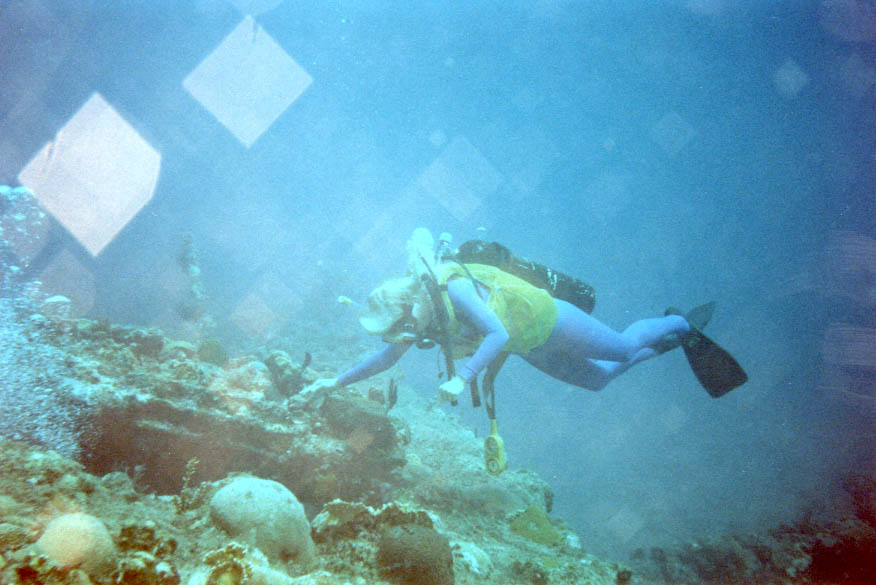
The RMS Rhone is the most celebrated wreck dive in the Caribbean. The Royal Mail steamship went down off Salt Island in the hurricane of 29 October 1867, driven onto the rocks at Black Rock Point, and a boiler explosion split her in two. Today the wreck lies in a protected marine park on a gentle slope, with the bow section in deeper water and the stern in much shallower water. The huge propeller, the crow's nest, the crumbling engine room and the great bronze fittings are all photographed by divers, and corals, sponges and schooling fish now cover the steel. The wreck also appeared in the 1977 film The Deep, which added to its fame. Most divers book a two-tank trip that covers both sections, and certified snorkelers can see parts of the shallower stern on calm days. The wreck lies in a national marine park managed by the National Parks Trust.
Dive operators in Tortola and the surrounding islands run regular trips to the Rhone, usually as a two-tank morning or full-day outing combined with another site such as the Wreck Alley or a reef. Depths vary from shallow stern sections to deeper bow sections, so advanced certification is typical for the deeper dive. Beginners should ask operators about guided snorkel or shallow-dive options, and check what permits or marine park fees are included in the price.
Currents, wind and swell affect what is possible, so the best conditions come in calm weather. Visibility is often excellent and the wreck is large enough that two dives are the minimum to see it properly. The Salt Island area also has historical interest, as the wreck sits near a tiny island whose residents once harvested salt, and the cliffs and sea around Black Rock Point are scenic in their own right. Keep your fins away from the structure and do not remove anything: the site is protected.
Because there is no single-venue ticket for the wreck, the link above goes to the National Parks Trust page for the marine park, which is the right place to start for rules, permits and fees. Then compare dive shops by safety record, group size and boat comfort. Booking one to two days ahead in high season is wise, and bringing your certification card, logbook and a rash vest saves time. Non-divers can still enjoy the trip as passengers, with a sunset or beach stop on the way back.
What to expect
The experience
A dive or snorkel on a protected wreck off Salt Island, usually as a two-tank boat trip with a briefing and gear provided by the operator.
Best time
Calm mornings with light wind, which give the best visibility and easiest boat access.
How long
A half day for a two-tank trip, longer when combined with another site.
Tips
Bring your certification card and logbook, ask which sections suit your level, and book a day or two ahead in high season.
Quick picks
- Best for
- Certified divers wanting a famous wreck with real history.
- Families
- Teens with a diving or snorkeling certificate can join some trips; younger children are better on a boat day elsewhere.
- Couples
- A shared dive, then a beach lunch on the way back.
- Pair with
- Norman Island or a Peter Island beach stop.
- Time needed
- A half day.
Good questions
When did the Rhone sink?+
She was wrecked in a hurricane on 29 October 1867 off Salt Island. A boiler explosion then split the ship into two sections.
Can non-divers see it?+
Snorkelers can sometimes see the shallower stern on calm days with a guide. Ask the operator before booking and follow their safety briefing.
What certification do I need?+
Typically an advanced open water level for the deeper bow dive. The shallower stern suits less experienced divers, so tell the dive shop your level.
How many dives are needed?+
Two dives are the usual minimum to see both sections properly. Many operators combine them in one trip.
Is it protected?+
Yes, it lies in a marine park run by the National Parks Trust. Do not touch, move or take anything from the wreck.