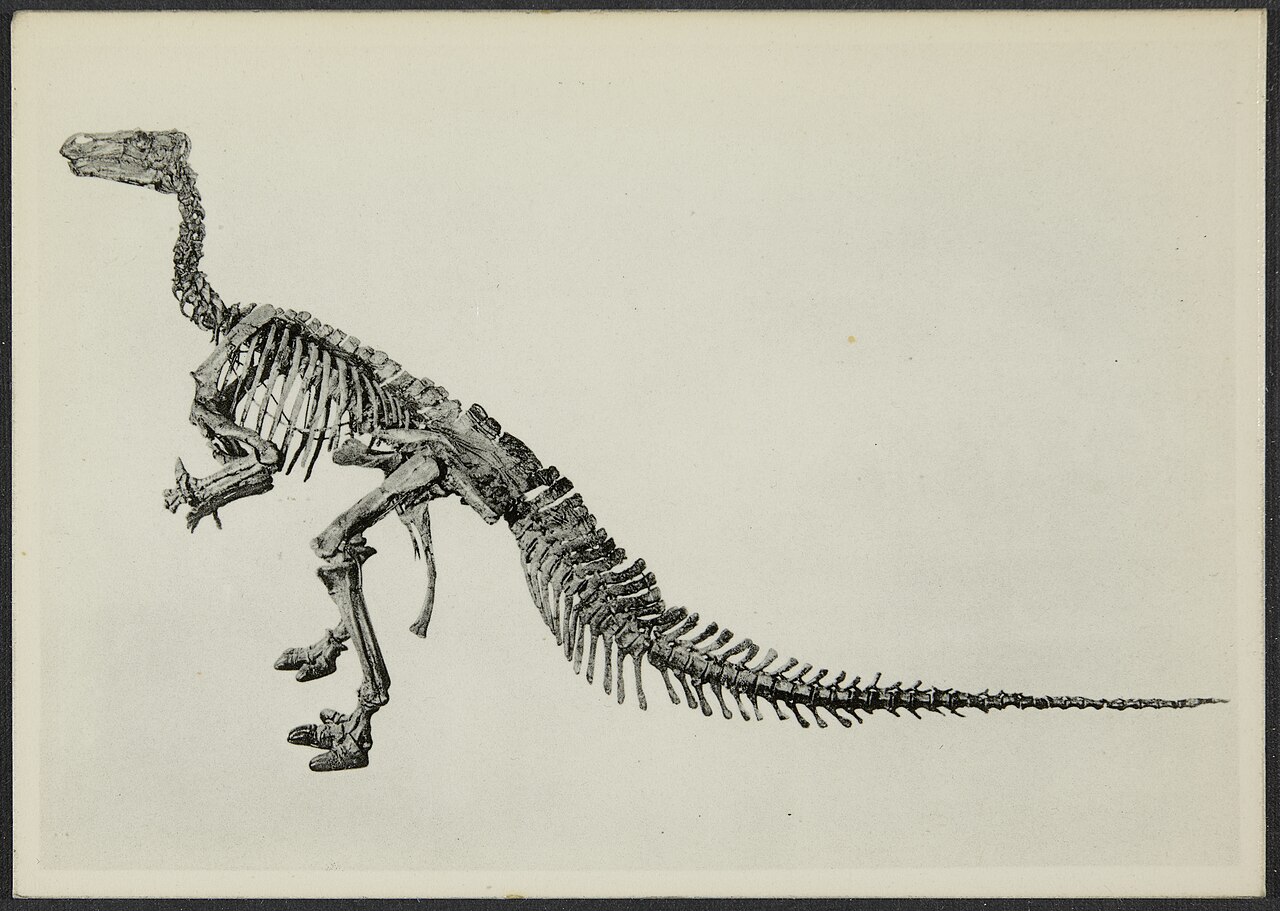
The Museum of Natural Sciences, on the Rue Vautier near the European Quarter, is best known for its Dinosaur Gallery, described as the largest in Europe. The centrepiece is the group of Iguanodons found at Bernissart in Belgium, displayed alongside a Tyrannosaurus rex, a Triceratops, a Diplodocus and dozens of other species. Beyond the dinosaurs you can explore the Gallery of Humankind, which covers the human body and how people evolved, as well as galleries on biodiversity and evolution, a hall devoted to a mosasaur and a hall of minerals. There is also BiodiverCITY, which looks at the wildlife that lives in cities. Temporary exhibitions change the mix, and the museum runs activities for school groups and families. It is a big, educational museum that rewards a slow visit.
What it is
A large natural history museum with a world-class dinosaur collection and wide-ranging galleries on life, evolution and the earth. It is aimed at all ages, though children under about twelve tend to be the most enthusiastic audience.
Working the visit
Head for the dinosaurs first, while energy is high, then choose one or two other galleries instead of attempting everything. Tickets are available through the Brussels ticketing system linked from the museum's visit pages. Check opening days before you go, since museums often close one day a week, and allow at least two hours. The museum lies close to Parc Leopold and the European Quarter, so a walk in the park makes a good break.
Who it suits
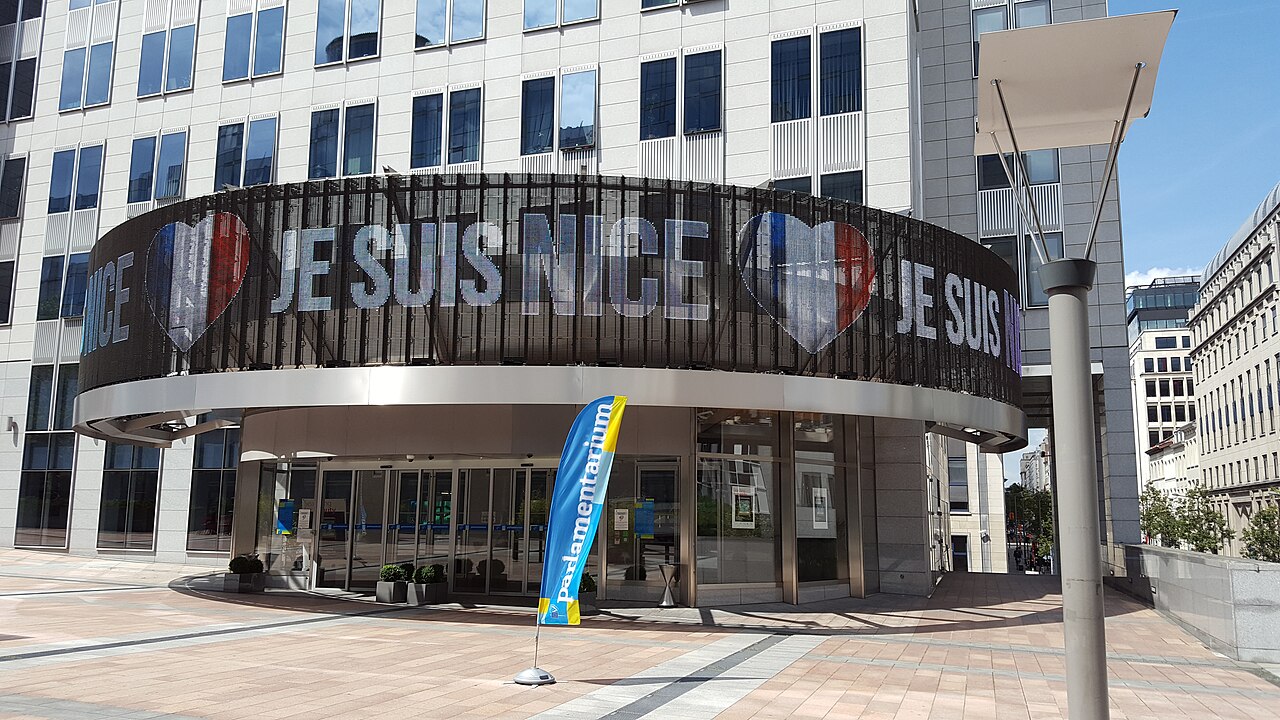
Families, dinosaur fans, science-minded adults and anyone sheltering from rain. It pairs naturally with the Parlamentarium, which is a short walk away and free, for a day that mixes science and politics. If you have only one museum day in Brussels and prefer art, the Magritte Museum or the Musical Instruments Museum may suit you better.
Visitors with limited time should treat the dinosaur gallery and the Gallery of Humankind as the two priorities and leave the remaining halls for a return visit. Check the museum's visit pages for temporary exhibitions and family workshops, which can change the character of a day from one month to the next.
What to expect
The experience
A large natural history museum led by Europe's biggest dinosaur gallery and the Bernissart Iguanodons.
Best time
Weekday mornings, or any wet day.
How long
Two to three hours.
Tips
See the dinosaurs first, pick one or two other galleries and check opening days.
Quick picks
- Best for
- Families, dinosaur fans and curious adults.
- Families
- One of the best family museums in the city.
- Couples
- Interesting for curious couples, though not romantic.
- Pair with
- The Parlamentarium and a stroll in Parc Leopold.
- Time needed
- Two to three hours.
Good questions
Where is the museum?+
On the Rue Vautier in Brussels, near the European Quarter and Parc Leopold.
What is the main attraction?+
The Dinosaur Gallery, described as the largest in Europe, with the Bernissart Iguanodons and a T. rex.
What else is there?+
Galleries on human evolution, living nature, biodiversity in cities, a mosasaur hall and a mineral hall.
How long should I allow?+
At least two hours, and up to three for a thorough visit.
Is it good for children?+
Yes, the dinosaurs are a hit with children, and the museum runs family activities.