Gyeongju was the capital of the Silla kingdom for nearly a thousand years, and today it is an open-air museum of tombs, temples, palaces and carved Buddhas, with several areas on the UNESCO World Heritage list. The city lies roughly an hour from Busan, so a guided full-day tour is the easiest way to see it without arranging your own trains and taxis. A typical day covers the great mountain temple of Bulguksa, the stone grotto at Seokguram on the ridge above it, the grassy royal burial mounds of Daereungwon, and the stargazing tower known as Cheomseongdae, with time to walk the lawns and lakeside paths that make the city so pleasant. The tour runs a long day, usually ten to twelve hours depending on departure and drop-off points, and it suits travellers who want a deep dive into Korean history rather than another beach or market. The itinerary is fixed by the operator, so check the stops on the booking page for the day you choose.
What you see
The temple complexes of Bulguksa and Seokguram represent classical Silla architecture and Buddhist art, with stone terraces, pagodas and the calm mountain setting that has drawn pilgrims for centuries. In the town centre the burial mounds look like a rolling park until you step inside one of the excavated tombs, and the observatory tower, thought to be among the oldest surviving in East Asia, stands in a field nearby.
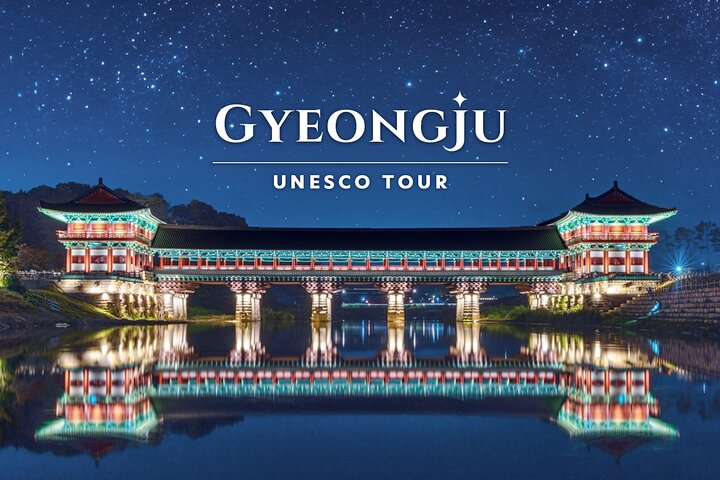
In the evening the lit ponds and pavilions are a highlight on tours that stay late. Walking between sights is gentle, but the day is long, so a hat, water and comfortable shoes are essential.
Planning your day
This is a guided group tour, so you travel by coach or minibus and follow a schedule, which suits people who prefer not to navigate. Entrance fees to some sites may be handled separately from the tour price, so read the inclusions before you book.
Spring and autumn are the best seasons, with cherry blossom in early spring and golden foliage in autumn, while summer is hot and humid and winter can be cold and clear. Expect an early start and a late return, and bring a light layer for the temple halls.
Is it for you
Choose Gyeongju if Korean history, architecture and quiet landscapes appeal more to you than city skylines. It is a long day and not ideal for very young children, though teenagers who like history often love it. If you have only two or three days in the area, spend one on Haeundae and the east coast and one in Gyeongju, because the two feel completely different. If time is short, an express option can compress the highlights into a shorter day, but you give up the unhurried feel that makes Gyeongju special.
Many travellers also add a night in Gyeongju itself so they can see the lit pavilions without a long drive back, which is worth considering if your schedule allows. Whichever way you go, carry some cash for small purchases and a portable charger, as a day of photographs drains a phone.
What to expect
The experience
A guided full-day coach trip from Busan to Gyeongju, covering the main temples, royal tombs and heritage sites of the Silla capital.
Best time
Spring for cherry blossom and autumn for foliage; avoid the hottest weeks of summer.
How long
A long day of ten to twelve hours including the drive each way.
Tips
Bring water, a hat and good shoes, check which entrance fees are included, and expect an early start.
Quick picks
- Best for
- History and architecture lovers who want a deep cultural day away from the coast.
- Families
- Works for older children and teenagers who enjoy history; a long day for toddlers.
- Couples
- A calm, scenic day of temples, lawns and lit ponds if the tour stays into the evening.
- Pair with
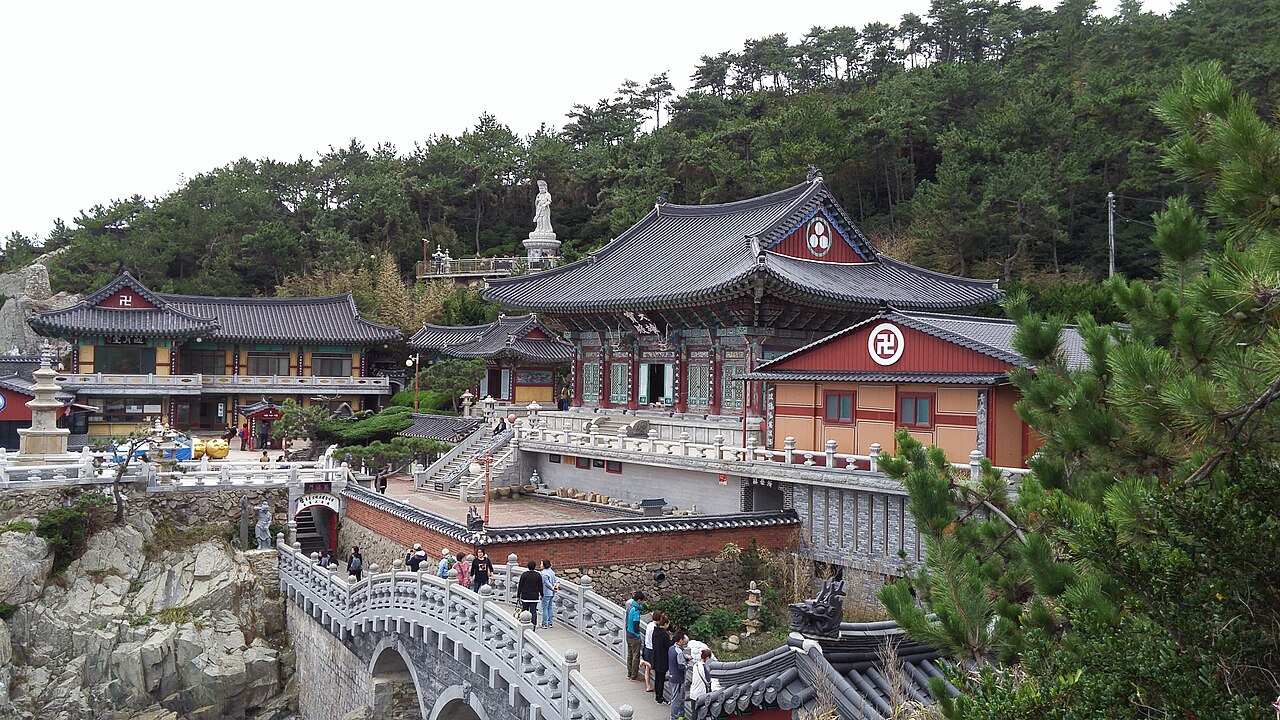
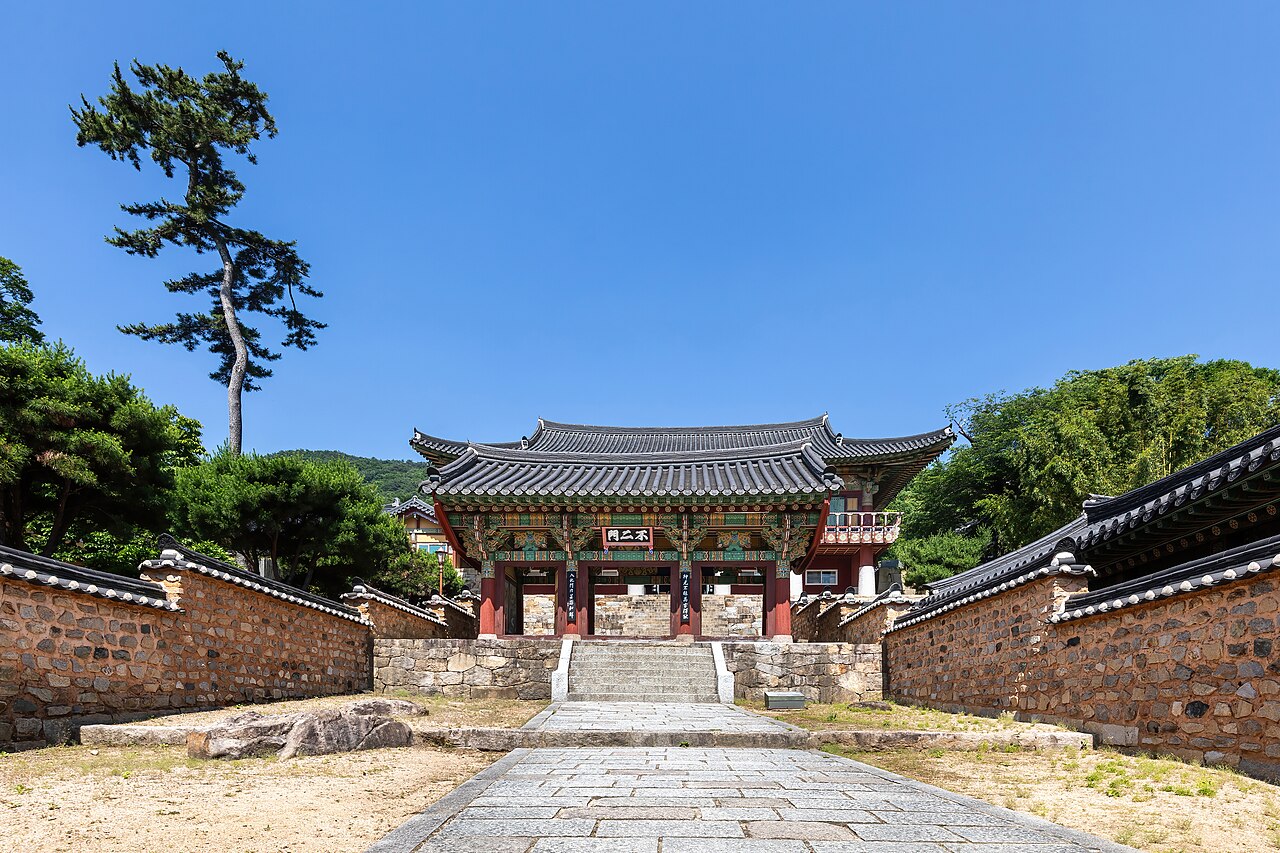
- Haedong Yonggungsa Temple and Beomeosa Temple for more of Korea's Buddhist heritage.
- Time needed
- Plan a full day, with an early departure and a late return.
Good questions
How far is Gyeongju from Busan?+
It is roughly an hour by road. A guided tour handles the transport so you do not have to arrange trains or taxis.
What are the main sights?+
Typical stops include Bulguksa Temple, Seokguram Grotto, the royal burial mounds at Daereungwon and the observatory tower Cheomseongdae. Check the booking page for the exact stops on your tour.
When is the best time to go?+
Spring and autumn are the most scenic. Summer is hot and humid, and winter is cold but uncrowded.
Are entrance fees included?+
This varies by tour. Read the inclusions on the booking page, as some site fees are paid separately on the day.
Is it suitable for children?+
Teenagers who like history often enjoy it, but the day is long. For young children a shorter trip to a closer sight is easier.