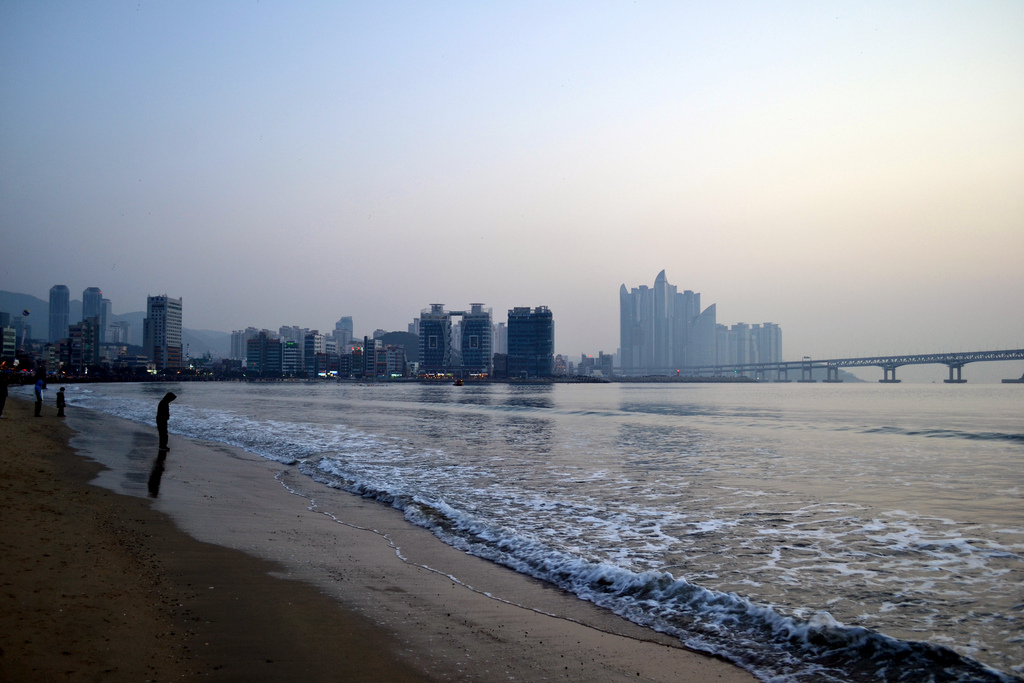
Haeundae and Gwangalli are the two beaches that define Busan's seaside identity. Haeundae is the grand one, a roughly 1.5 km sweep of pale sand backed by high-rise hotels, summer crowds and a lively promenade, with seasonal festivals such as the Sand Festival in early summer and sea events in July. Gwangalli, a short ride west, is more relaxed, a crescent bay with cafes, bars and seafood restaurants that face the lit Gwangan Bridge across the water. Both beaches are free to enter, lifeguards and facilities operate in the summer season, and the promenades are lovely year-round for walks, sunrise runs and photography. Haeundae has the Dongbaek Island coastal path and Marine City at its end, and Gwangalli has beachfront dining and weekend street performances. Visitors normally spend a morning at Haeundae and an evening at Gwangalli, or split a stay between them depending on whether they prefer buzz or calm.
Haeundae in practice
The swimming season runs through summer, and the beach fills with umbrellas, tubes and families. Outside the season it is a pleasant place for a walk, with surfers and joggers rather than crowds. The market behind the beach sells inexpensive local food such as gukbap, and the Haeundae Station area has plenty of restaurants. Dongbaek Island at the western end offers a wooded coastal trail with sea views and the Nurimaru APEC House. The Bay 101 nearby is known for night views. Winter visits are quiet and clear, which suits photographers.
Gwangalli in practice
The pleasure is at night, when the Gwangan Bridge is lit in changing colours and the cafes along the beachfront fill with couples and friends. Weekend evenings can bring light shows, buskers and festivals. Daytime is calmer, with swimmers in summer and coffee drinkers the rest of the year. Seafood restaurants and raw-fish places line the back streets, and Millak Raw Fish Town nearby is a popular local seafood spot. It is also a good base for travellers who prefer a quieter area than Haeundae.
Planning
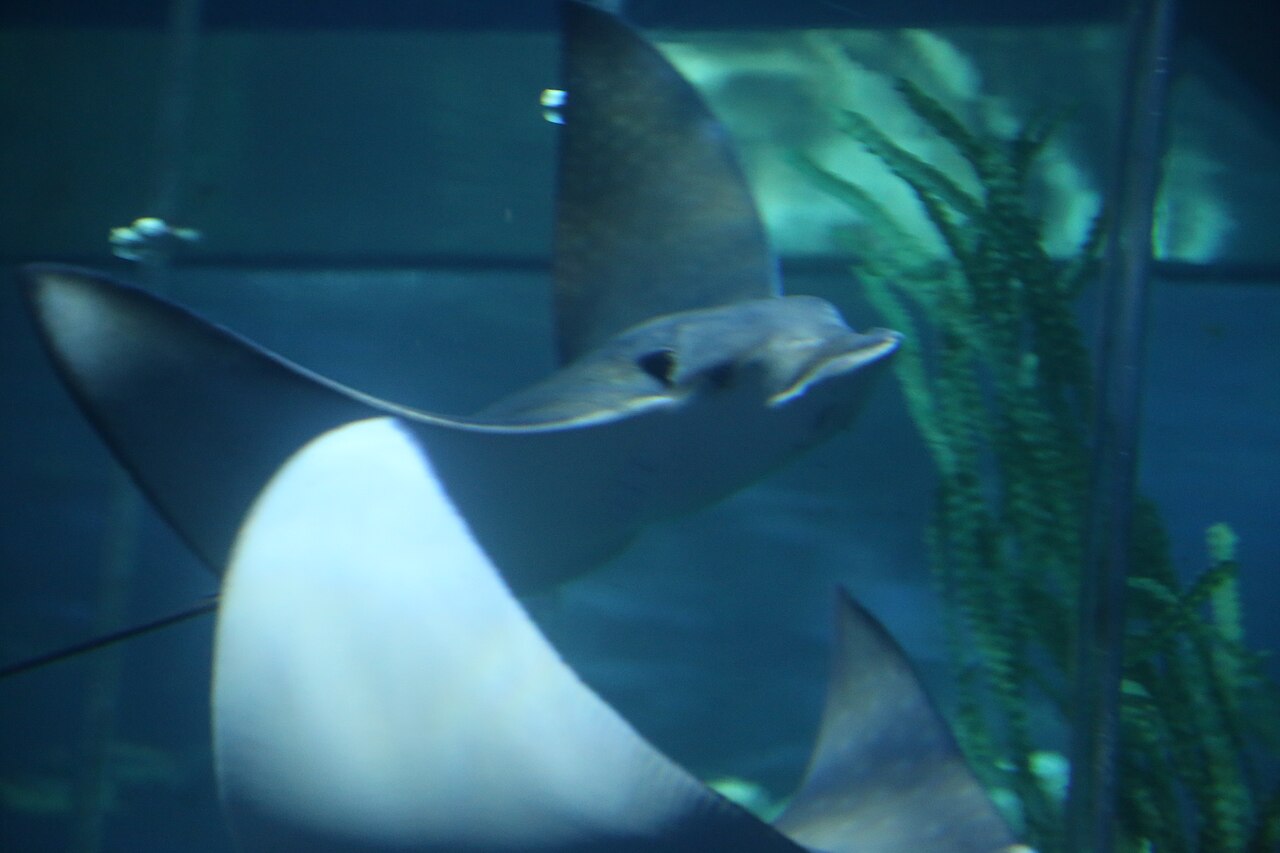
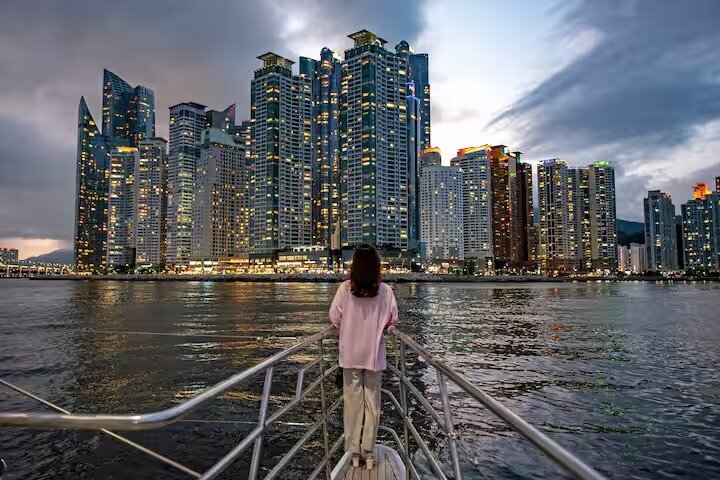
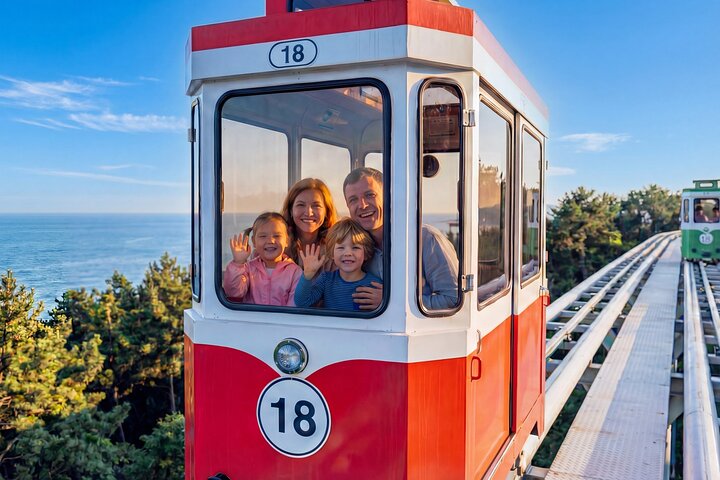
Both beaches are easy to reach by subway, Haeundae by Line 2 and Gwangalli by Line 2 at Geumnyeonsan or Gwangan, then a short walk or bus. In summer, arrive early for a spot and mind beach rules and swimming flags. Beach showers and changing facilities are available in season. Combine Haeundae with the aquarium, the observation deck and the Blueline Park coast line, and Gwangalli with a night yacht tour. Take sun protection in summer and a windbreaker in winter.
What to expect
The experience
Free city beaches with long promenades: Haeundae for white sand, festivals and resort buzz, and Gwangalli for cafes and the nightly Gwangan Bridge lights.
Best time
Summer for swimming, or sunrise and evening in any season for the walks and the lit bridge at Gwangalli.
How long
A morning at Haeundae and an evening at Gwangalli, roughly two to four hours in total.
Tips
Arrive early in summer, respect swimming flags and lifeguard hours, and bring a windbreaker for evening walks.
Quick picks
- Best for
- Anyone who wants to see Busan's seaside life, from swimming to skyline views.
- Families
- Haeundae is easy for kids in summer, with shallow water and nearby attractions.
- Couples
- Gwangalli at night, with the bridge lit up and a table at a beachfront cafe.
- Pair with
- SEA LIFE Busan Aquarium, Busan X the Sky and a night yacht tour.
- Time needed
- Allow half a day for each beach, or one morning and one evening.
Good questions
Are Haeundae and Gwangalli beaches free?+
Yes, both are free to enter. You pay only for umbrellas, tubes, food and activities.
Which beach is better, Haeundae or Gwangalli?+
Haeundae is bigger and busier with festivals, while Gwangalli is calmer with a famous bridge view at night. Many visitors do both.
When can I swim?+
The swimming season is in summer, when lifeguards and facilities operate. Outside it, the beaches are for walking, not swimming.
How far apart are they?+
They are a short subway, bus or taxi ride apart, around twenty minutes. Each is easy to reach from central Busan.
What is the Gwangan Bridge light show?+
The bridge is lit in changing colours each night, and some weekend evenings have special shows. It is best seen from Gwangalli Beach.