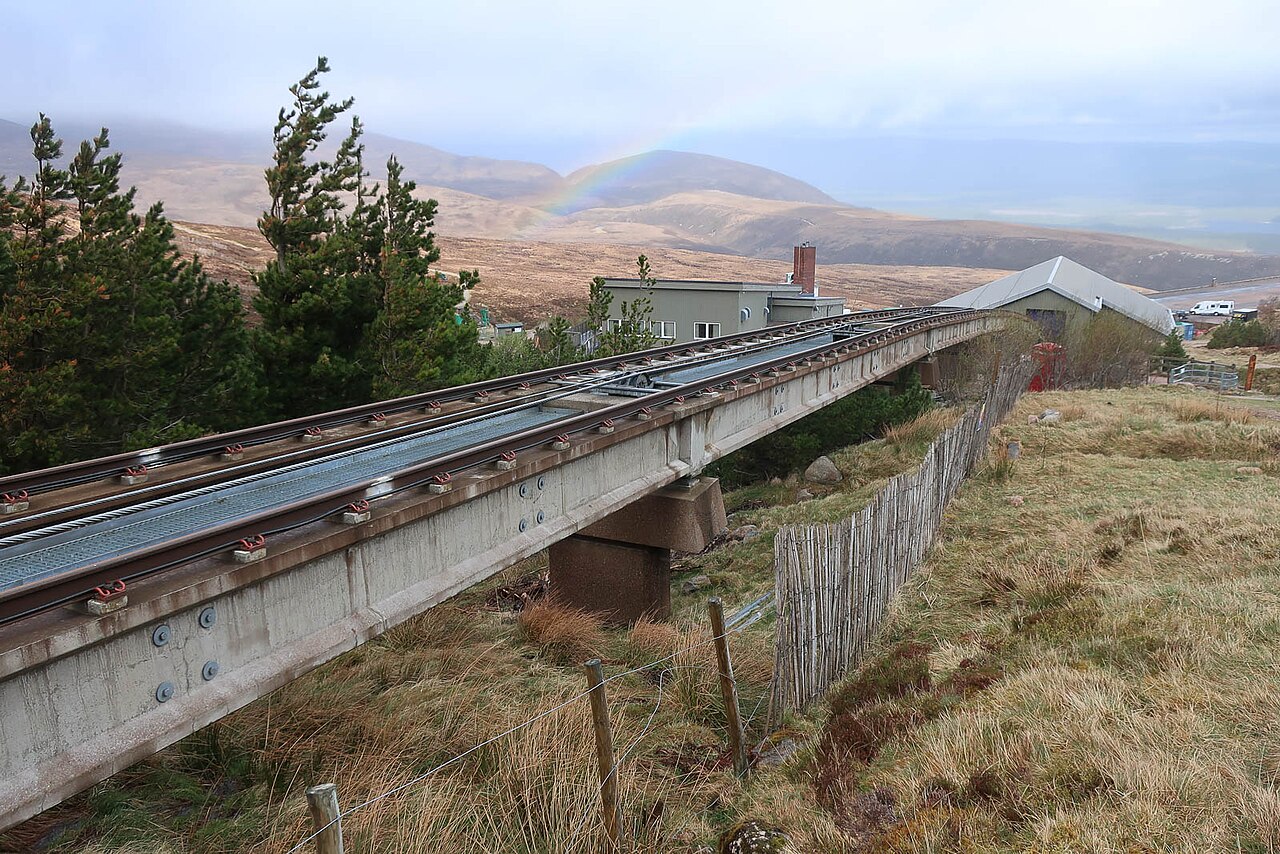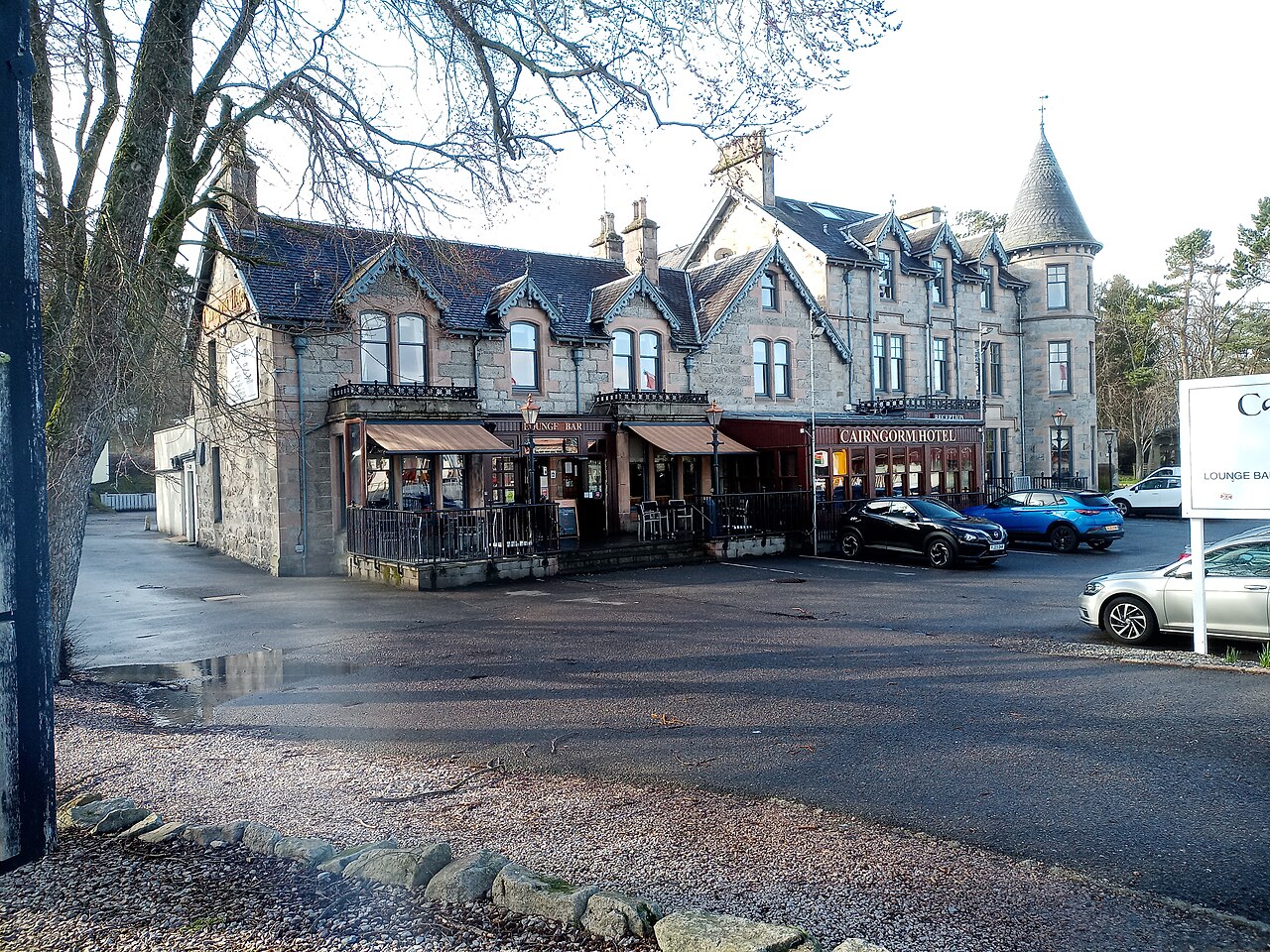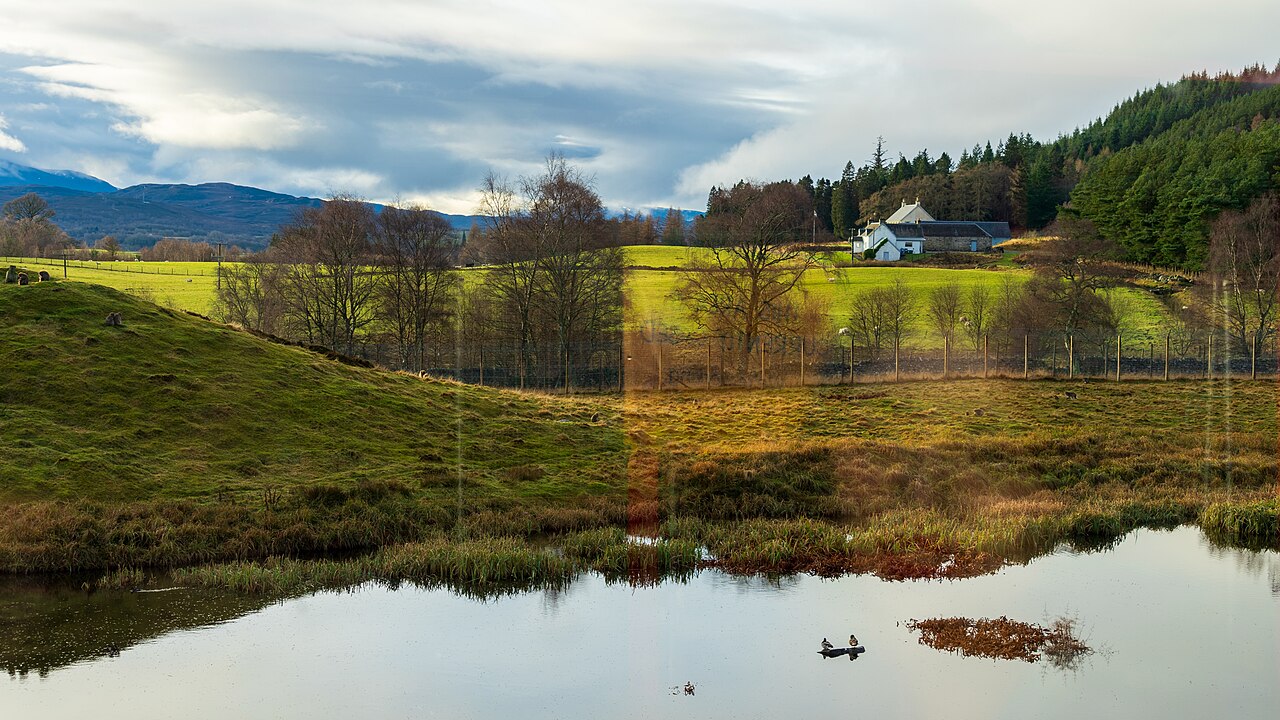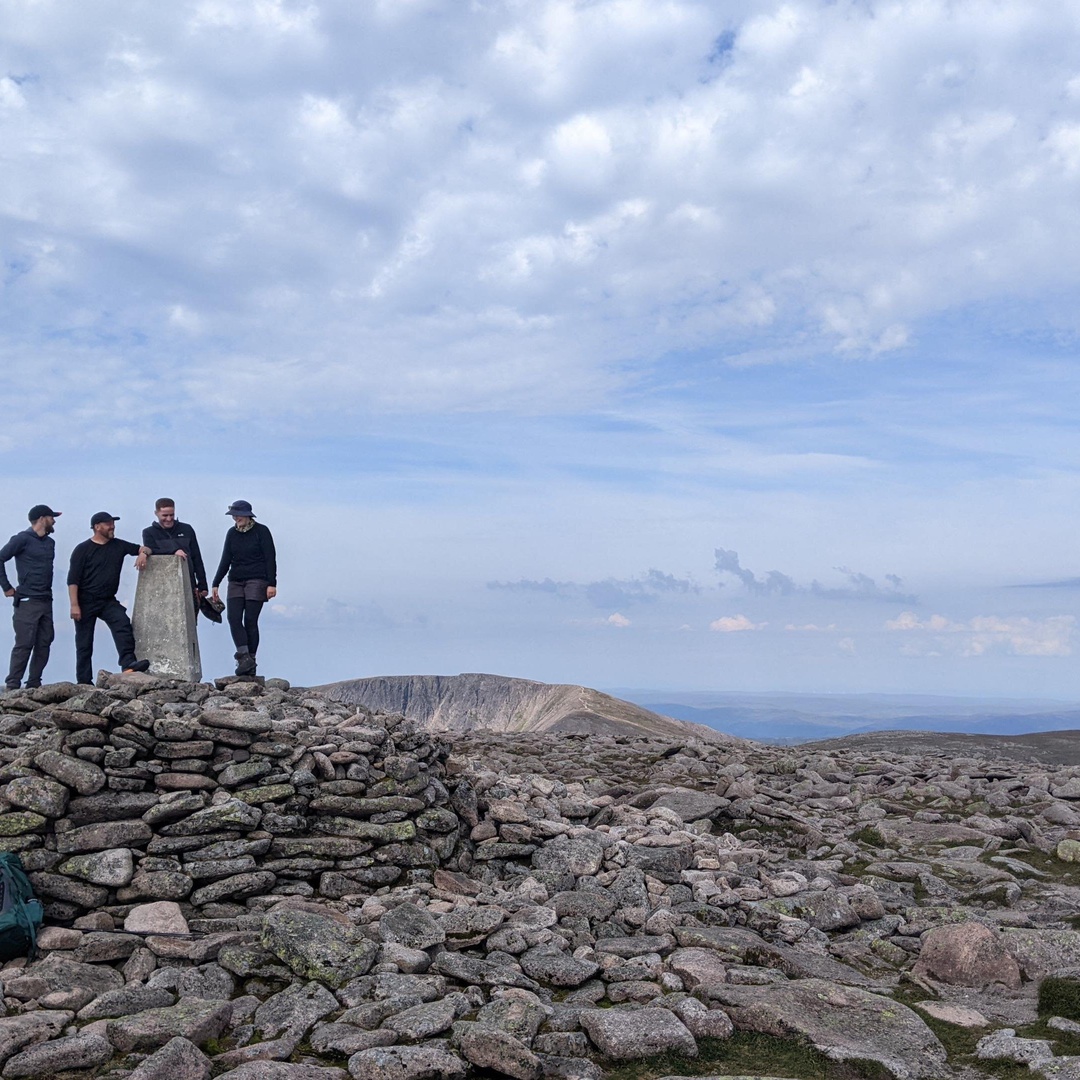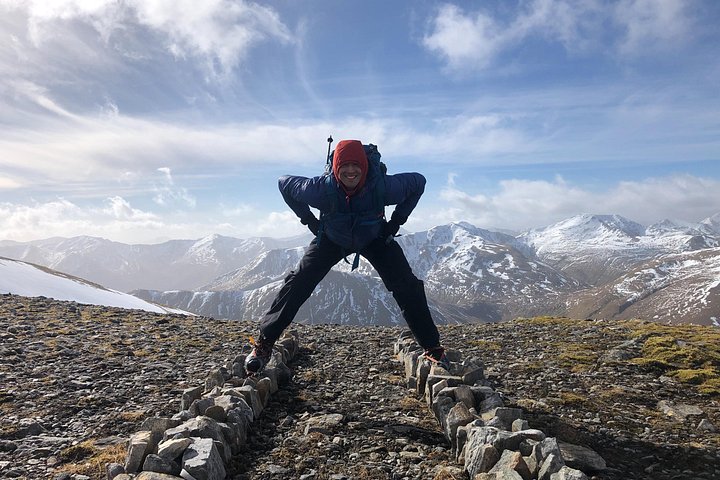
The Cairngorms National Park covers more than four thousand square kilometres of the eastern Highlands, which makes it the largest national park in the United Kingdom and roughly twice the size of the Lake District. It was created in 2003, and the boundary was drawn around a remarkable mix: a high granite plateau that behaves like arctic tundra, glacier-carved corries and passes, the largest surviving tracts of native Caledonian pine forest, river valleys such as Strathspey and Deeside, and a scatter of small Highland towns from Aviemore and Kingussie to Ballater and Braemar. Five of the six highest summits in Britain sit inside it, including Ben Macdui and Braeriach, and the park is home to a notable share of the country's rarest wildlife, from capercaillie and crested tits to wildcats, mountain hares, ptarmigan and the only free-ranging reindeer in Britain. There is no gate and no ticket. The park is a working landscape of estates, farms, distilleries and villages, which means visiting is a matter of choosing where to stand and what to do there: a forest walk, a funicular ride, a loch swim, a day on the tops, or a slow drive between glens.
The easiest way to understand the park is as three zones. The first is the Strathspey core around Aviemore, Glenmore and Rothiemurchus, where pine forest, lochs and the northern corries are packed into a small, well-served area; this is where most first visits begin because paths are signed, buses run and every kind of activity is within twenty minutes. The second is Badenoch to the south-west, around Kingussie and Newtonmore, a broader and quieter valley of heather hills, castles and museums, with the Monadhliath hills opposite the big plateau.
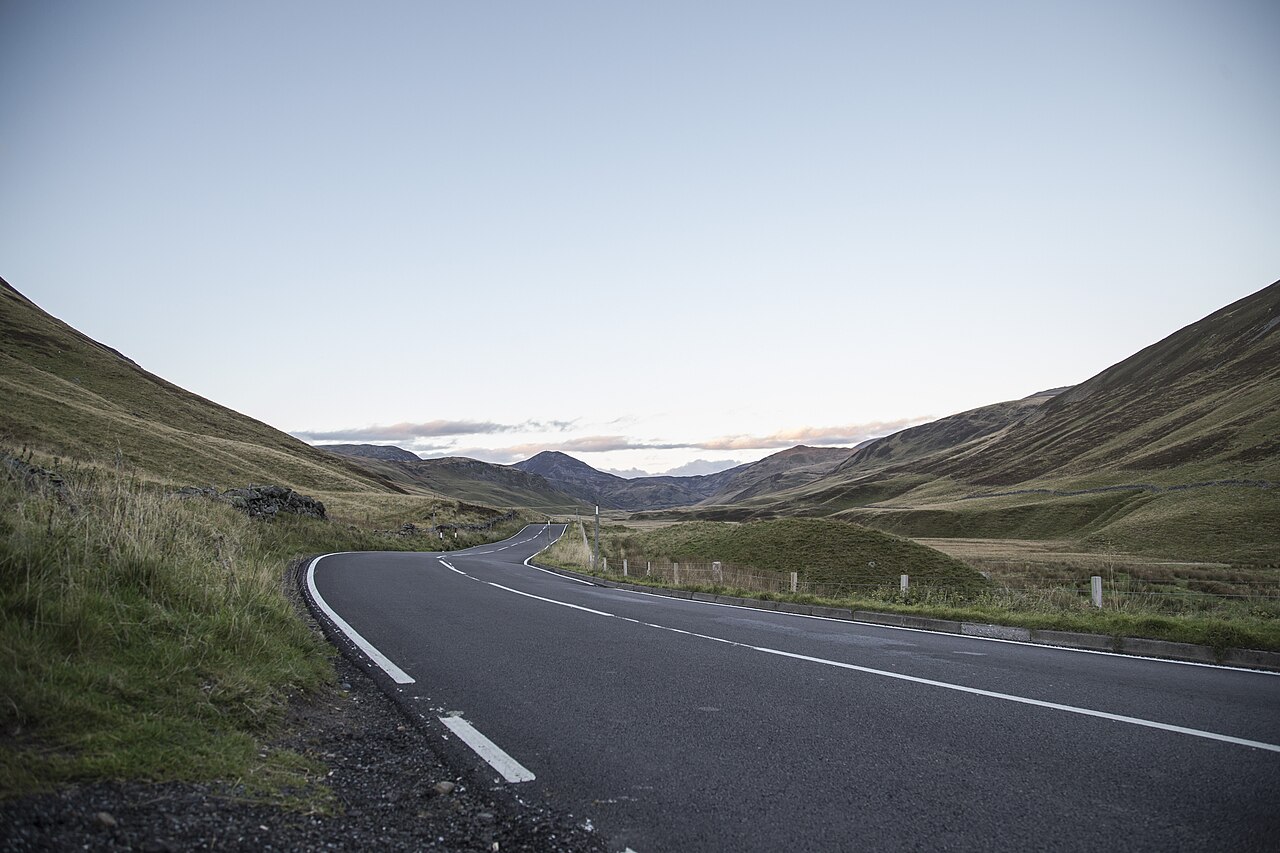
The third is Royal Deeside and the Glenshee side to the east and south, a landscape of granite villages, grouse moors and the royal estate at Balmoral, reached on high roads that climb above two thousand feet.
Weather is the one rule that applies everywhere. The plateau above about nine hundred metres can be in cloud, wind and snow while the valley floor is calm and sunny, and winter conditions can arrive in any month on the highest ground. Visitors who stay below the tree line need nothing more than sensible waterproofs and layers; visitors going high need proper navigation, boots and a good forecast, or a guide. The park authority and the mountain weather services publish daily conditions, and local outfitters are generous with advice if you ask.
Seasons change the park more than most places in Britain. Spring brings displaying capercaillie and returning ospreys; summer gives long light, midges in still evenings, and the best hill-walking; autumn turns the birches gold and the stags roar through September and October; winter brings snow-sports, reindeer in the white landscape and some of the clearest night skies in Scotland, including the Tomintoul and Glenlivet International Dark Sky Park on the eastern side. Plan around the season rather than against it, and the park rewards every month.
Practical points are simple. Base yourself in Aviemore for the widest range of tours and restaurants, or choose a village such as Boat of Garten, Grantown-on-Spey, Kingussie or Ballater for quiet. Drive carefully on single-track roads, give way to oncoming traffic in passing places, and expect limited mobile signal in the glens.
Respect the Scottish Outdoor Access Code, which gives generous rights to roam but asks you to close gates, keep dogs under control around livestock and ground-nesting birds, and take your rubbish home. The park rewards time more than any single sight, so leave at least two nights and let the weather choose one of the days.
What to expect
The experience
A self-guided landscape of forest, loch, glen and plateau with no entry fee; activities, tours and attractions inside it are bought separately.
Best time
Late spring to early autumn for hill-walking and long light; September for the red deer rut; winter for snow and clear skies.
How long
Two nights minimum; four days lets you combine Strathspey, Badenoch and Deeside.
Tips
Base in Aviemore for choice or a village for quiet. Carry waterproofs in every month, check mountain forecasts before going high, and expect patchy mobile signal in the glens.
Quick picks
- Best for
- Everyone: it is the frame around every other experience in this market.
- Families
- Choose a forest trail, a loch beach and a wildlife-park day, and keep the high ground for older children with a guide.
- Couples
- Pine-forest walks at dusk, a steam-train afternoon and a village inn with a log fire.
- Pair with
- Loch an Eilein, the reindeer hill trip and Cairngorm Mountain.
- Time needed
- Two to four days for a rounded first visit.
Good questions
How big is the Cairngorms National Park?+
It covers more than four thousand square kilometres, the largest national park in the UK, with five of Britain's six highest mountains inside its boundary.
Do I need to pay to enter the park?+
No. There is no entry fee or gate. Individual attractions such as the wildlife park, railway or castles charge their own admission.
What is the best base for a first visit?+
Aviemore, because buses, tours, restaurants and trailheads are concentrated there. Quieter villages such as Boat of Garten or Kingussie suit slower trips.
When is the best time to visit?+
Late spring to early autumn is best for walking and wildlife, September for the stag rut, and winter for snow-sports and reindeer in the snow.
Is the weather really that changeable?+
Yes. Conditions on the high plateau can differ sharply from the valley floor. Carry waterproofs year-round and check a mountain forecast before going above the forest.