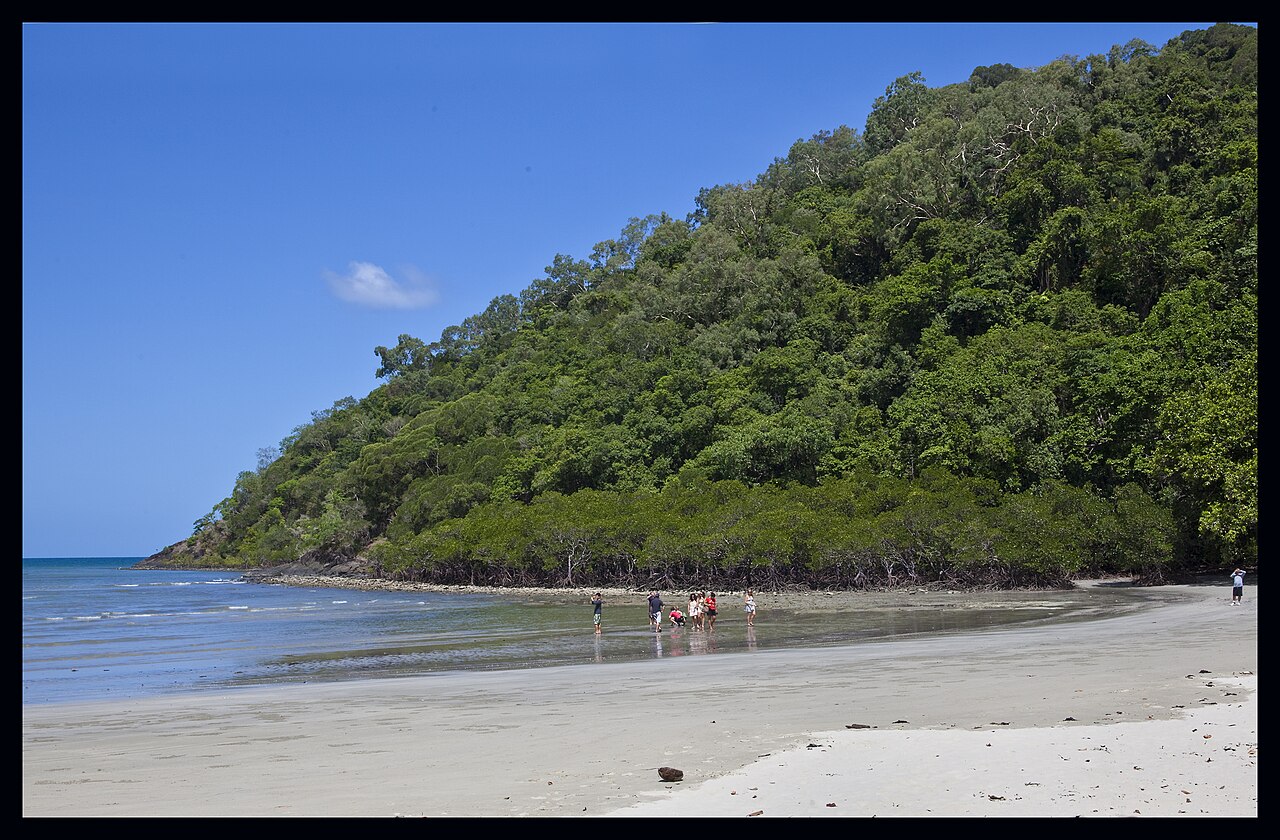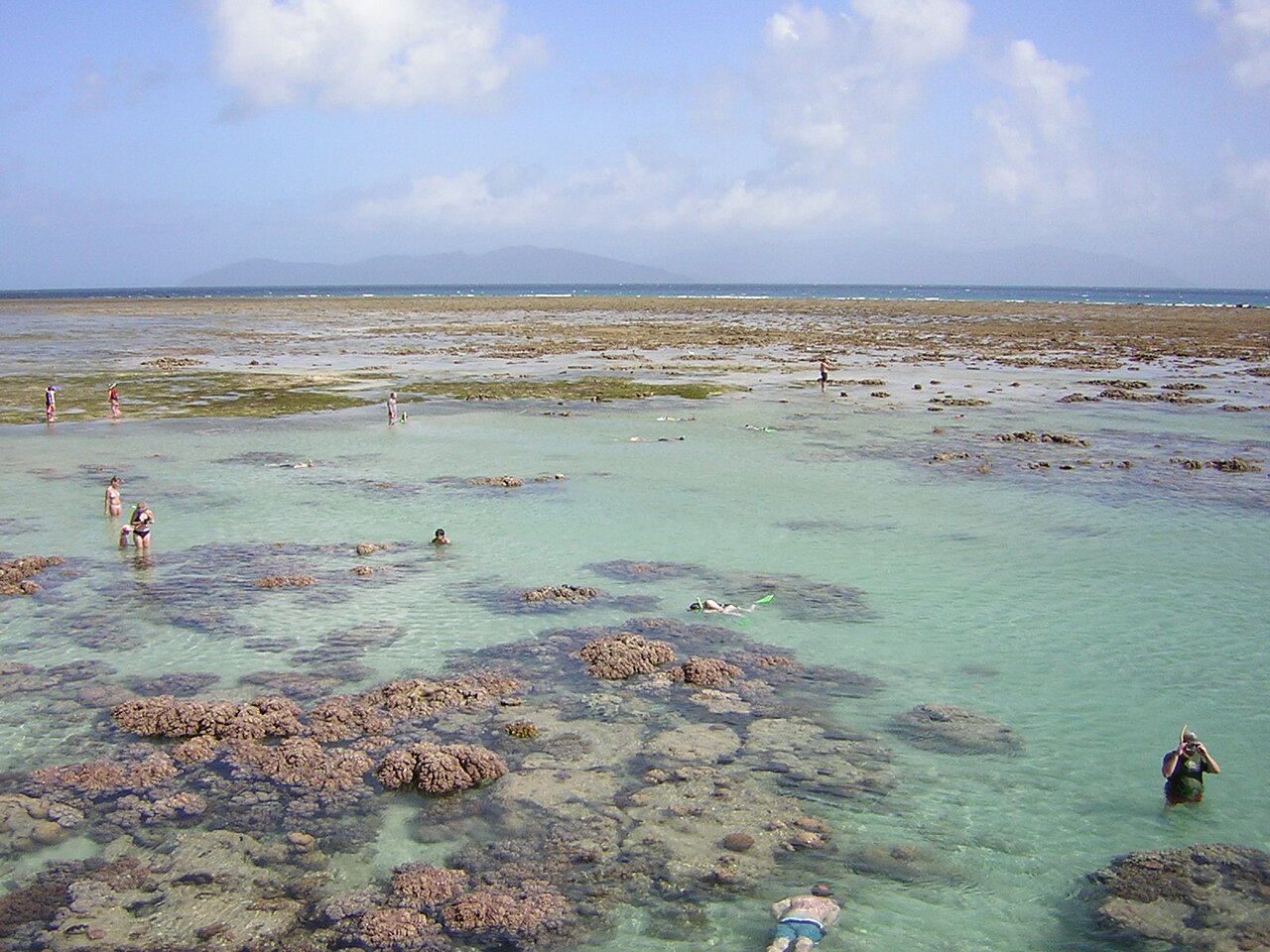
The Great Barrier Reef is a 2,300-kilometre chain of reefs and cays, and from Cairns the day cruises head out to the outer edge, where the water is clearer and the coral healthiest. Boats leave from the Reef Fleet Terminal in the morning and take roughly an hour and a half to two hours to reach their moorings. There you step onto a pontoon or a stable moored platform and spend several hours in the water. Most operators include snorkel gear, a briefing from a marine biologist or crew, a buffet or packed lunch and time on at least two reef sites. You can add an introductory dive with no experience, or dive as a certified diver, and non-swimmers can ride a semi-submersible or glass-bottom boat. The result is a day that suits first-timers, families and keen divers alike. The big variable is the operator. Larger vessels carry hundreds of passengers and offer shade, showers and slides; small catamarans and sailing boats carry a few dozen and reach quieter sites. Tiqets lists dozens of departures from Cairns, so compare group size and the number of reef sites rather than the price alone.
Choosing well is most of the work. Ask three questions. How many passengers? Under about forty gives you more time in the water and fewer people on each snorkel line. Which reef? Outer reef sites such as the Moore Reef area generally have clearer visibility than the inner islands, which suits a once-in-a-lifetime trip. What is included? Check stinger suits, gear hire, an introductory dive and lunch before you pay.
Stinger season runs from roughly November to May, and it is the main seasonal factor. Out on the reef the risk from box jellyfish and Irukandji is lower than on the coast, but operators still require or strongly advise a full-body stinger suit for snorkellers and divers, and most supply one. Treat it as part of the kit, not a nuisance. The wet season brings warmer water, more variable weather and occasional cancellations, while the dry months from about June to October are cooler, calmer and busier.
Practical points: take reef-safe sunscreen or, better, a rash vest, seasickness tablets taken before you board if you are prone, a towel, and a waterproof camera. Hotel transfers are common, and boats are cancelled by the operator, not by you, if conditions are unsafe, with a refund or rebooking. Book at least a few days ahead in peak months and pick a weekday if you can. Add a second reef day, or a stay at Fitzroy or Green Island, if the reef is the heart of your trip.
What to expect
The experience
A full-day catamaran cruise from the Reef Fleet Terminal to an outer reef pontoon or mooring, with snorkelling, optional diving, a semi-submersible or glass-bottom boat and lunch.
Best time
Dry-season weekdays give the calmest water and clearest visibility, but the reef is open all year; in stinger season from November to May you will wear a stinger suit.
How long
About eight to ten hours door to door, with roughly three to four hours on the reef itself.
Tips
Compare group size, number of reef sites and what is included, take seasickness tablets early, wear a rash vest or stinger suit and book ahead in school holidays.
Quick picks
- Best for
- Anyone who wants to see the Great Barrier Reef properly in a single day, from confident swimmers to certified divers.
- Families
- Choose a large, stable boat with a pontoon, flotation aids and a semi-submersible so non-swimmers and small children join in.
- Couples
- A small sailing catamaran trades the pontoon for quieter reef and a more relaxed day on the water.
- Pair with
- A night in Port Douglas, a Daintree day tour or an easy day on Green Island or Fitzroy Island.
- Time needed
- A full day, with a hotel transfer or an early check-in at the terminal.
Good questions
Do I need to be a strong swimmer to snorkel on the reef?+
No. Operators supply flotation vests and noodles, and crew watch the water, so even weak swimmers can float and look down. A semi-submersible or glass-bottom boat lets non-swimmers see the coral without getting wet.
Can I dive without a certification?+
Yes. Most boats offer an introductory dive with an instructor after a short briefing and a medical questionnaire. Certified divers can add guided dives and should bring their card and logbook.
Is it safe to swim during stinger season?+
Reef operators take stinger season from roughly November to May seriously and supply full-body stinger suits, which you wear when snorkelling or diving. The risk offshore is lower than at the coast, but follow the crew briefing.
What if the weather is bad?+
The operator may cancel or alter the route if conditions are unsafe, and you are normally offered a rebooking or refund. Choose a flexible-cancellation ticket and keep a spare day in your plans.
Which is better, a big boat or a small one?+
Big boats offer shade, showers and facilities, which suit families and first-timers. Small boats reach quieter sites with fewer snorkellers, so they suit confident swimmers and anyone who dislikes crowds.