Three days is the sweet spot for Calgary. It is enough to see the downtown core and the river at an easy pace, to taste the older neighbourhoods, and to spend one full day outside the city without feeling rushed. This plan keeps walking distances short, puts indoor stops where the weather is most likely to need them, and leaves the final day for the choice that matters most: badlands or mountains. Prices are in Canadian dollars, and it is worth checking each venue's current hours before you go, since several use shorter schedules outside summer.
Day one: the skyline and the river
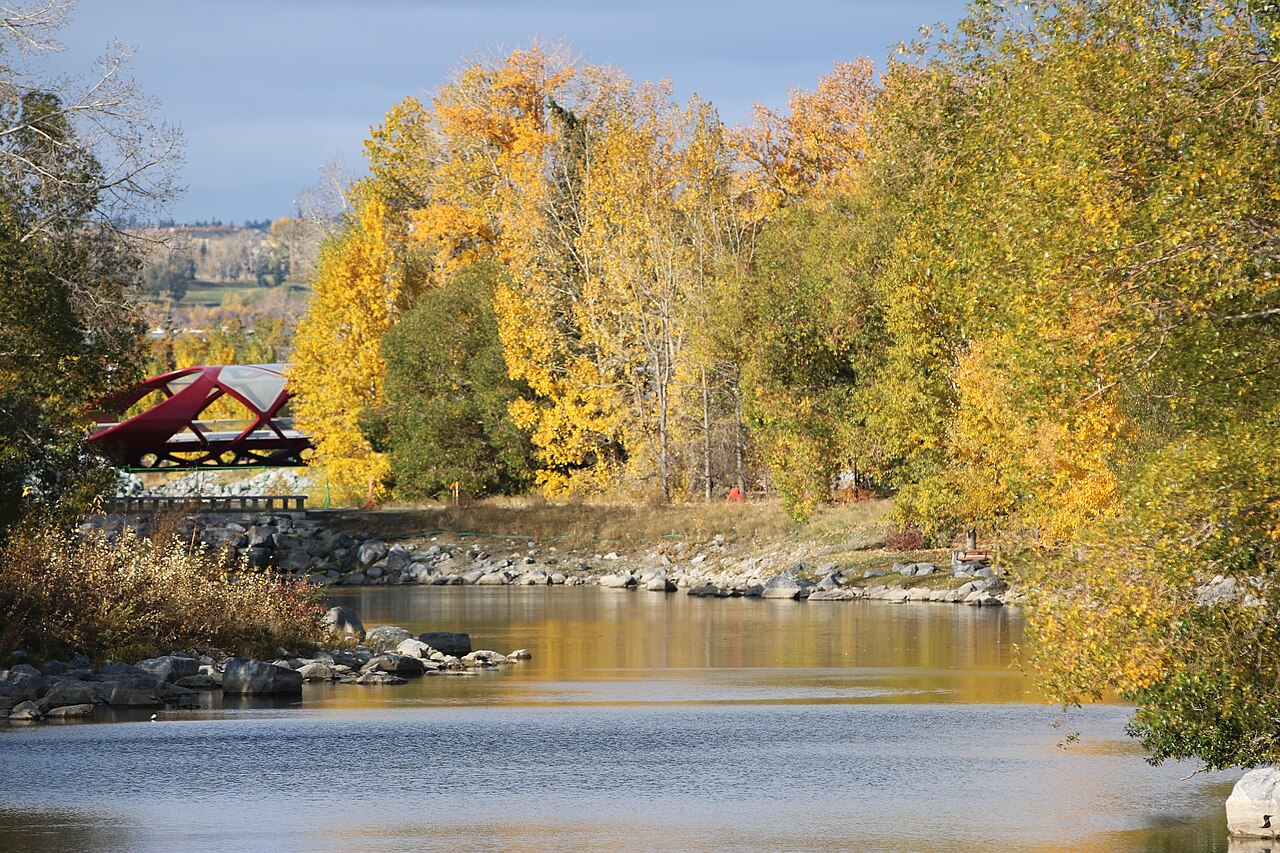
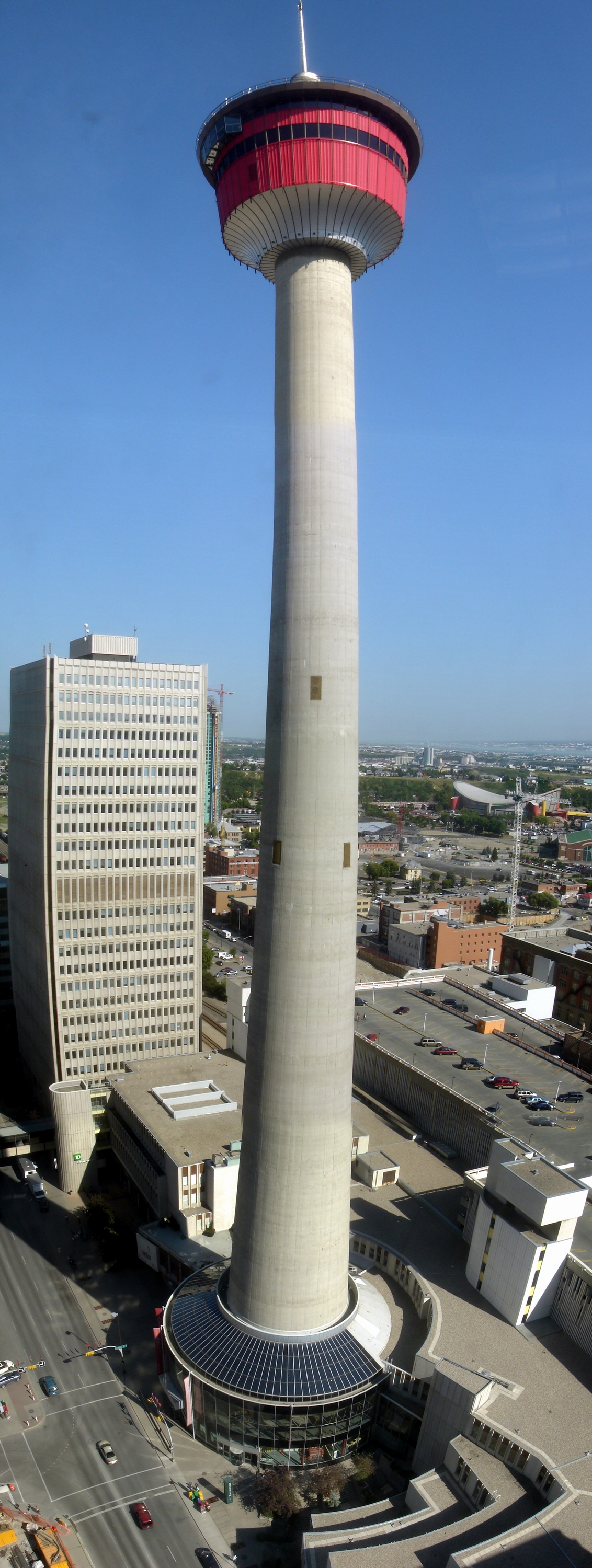
Begin with the Calgary Tower. Admission is cashless and a dated ticket bought ahead usually gives the best rate, so decide your day first. Going up on a clear morning gives you the cleanest view of the Rockies to the west and the prairie rolling away east; the glass floor is the part everyone photographs. From the Tower it is a short walk to Stephen Avenue, the pedestrian street of old sandstone buildings, where you can find lunch. In the afternoon, walk north to the Bow River and cross Prince's Island Park, with its tree-lined paths, then take the Peace Bridge, the red and white pedestrian bridge that curves over the river. The riverside is windier than the streets, so carry a layer even on a mild day. If the weather turns, Devonian Gardens, the indoor garden reached through the +15 walkways, is a free and calm substitute. Finish with dinner in Eau Claire or the Beltline.
Day two: music, history and Inglewood
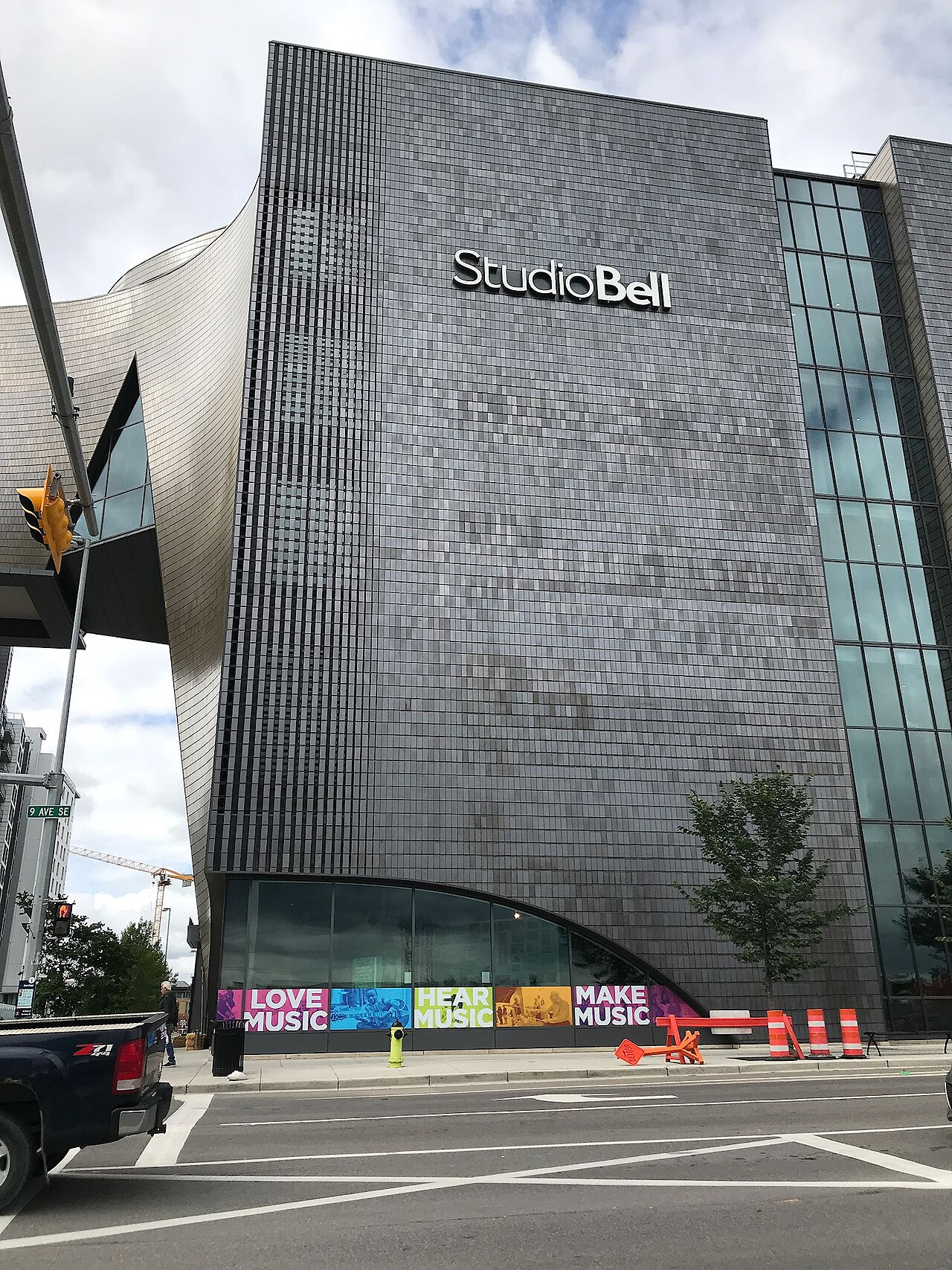
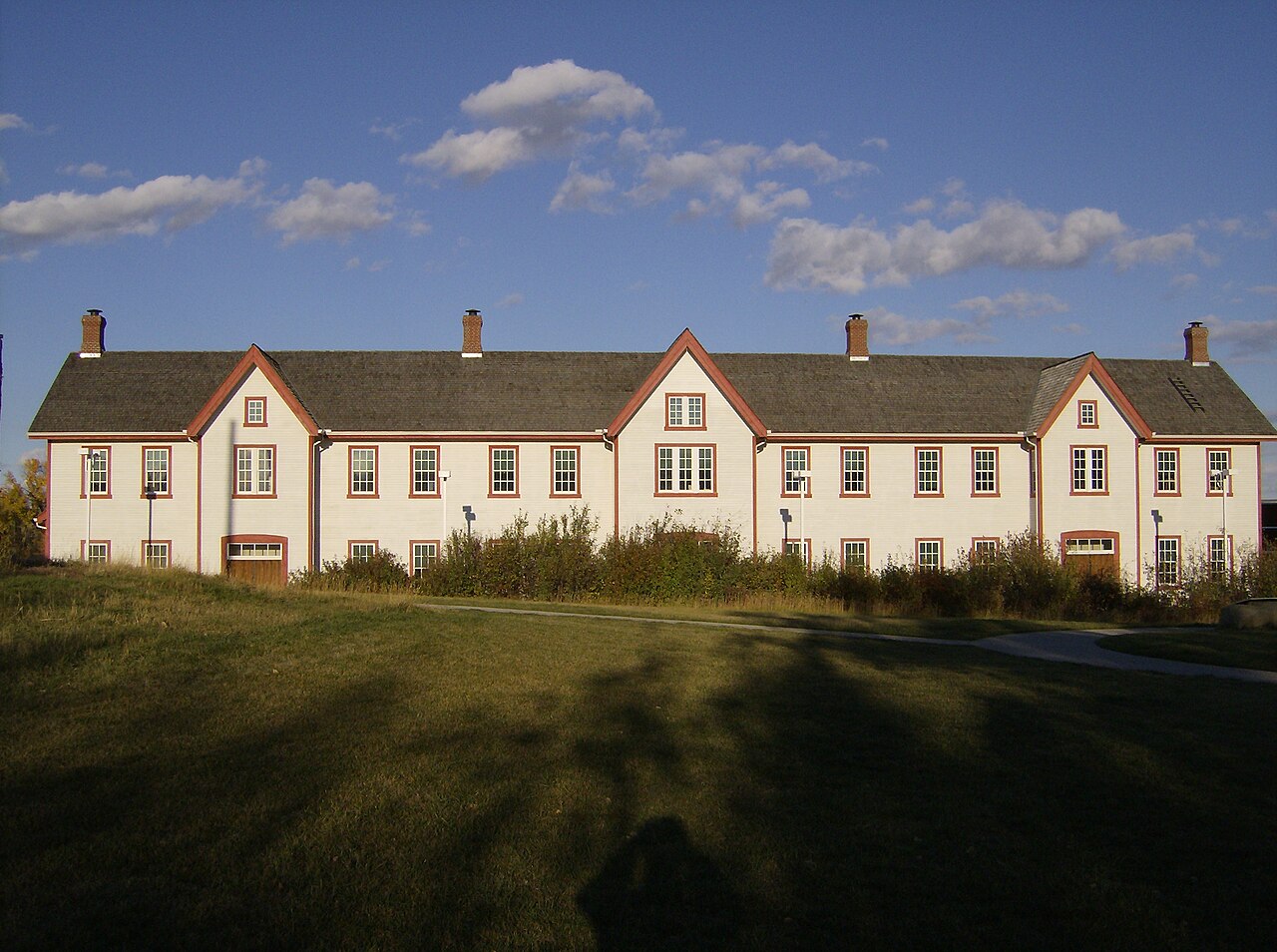
Spend the morning at Studio Bell, the home of the National Music Centre, which occupies a modern building joined to the restored King Edward Hotel in the East Village. The ticket is timed and non-refundable, so lock in the date, and give it a couple of hours. The instruments, from early keyboards to studio equipment, are hands-on in places and suit adults as much as children. From there it is a short walk along the river to The Confluence, the site where the Bow and Elbow rivers meet and where the North-West Mounted Police established a fort in 1875, the beginning of Calgary as a town. The cultural centre keeps limited days in winter, so check before you walk over, but the riverside grounds are open to wander. Then continue to Inglewood, the city's oldest neighbourhood, for independent shops, record stores, cafes and restaurants. Late morning to early evening on a weekend is livelier, and some places close on Mondays.
Day three: choose your escape
This is where you decide what kind of traveller you are. The Royal Tyrrell Museum and Drumheller Badlands day trip is the choice for dinosaur lovers and families: the museum is one of the great palaeontology collections, and the badlands around it, with their hoodoos and canyon walls, look like another planet. It runs as a long day, and the museum is closed on Mondays in winter, so plan for Tuesday to Sunday. The Banff National Park small-group day trip is the choice for mountain scenery, lakes and wildlife spotting, and is the better pick if your visit is short and the forecast is settled. Both are long days with meals not included, so bring snacks and dress warmly. If you want something quieter and closer, the Military Museums or the TELUS Spark Science Centre make good indoor days, and the Fish Creek or Nose Hill parks give you prairie and valley views without leaving the city.
If you have a car, or a fourth day
Calgary does not need a rental car for this plan, because downtown is walkable, the CTrain covers the main corridors and taxis and rideshares fill the gaps. Fares and the shape of the downtown CTrain stations have been under review, so confirm the current rules with Calgary Transit before relying on free rides. A fourth day can take the trip you skipped, or add the wolfdog sanctuary, a guided street art and craft beer tour, or in summer the Kananaskis River rafting trip.
Practical notes
Tipping is customary in restaurants and for guides, and card payment is accepted nearly everywhere. Alberta has no provincial sales tax, though the federal goods and services tax is added to most purchases. Weather swings widely: warm chinook winds can lift winter temperatures in hours, while a cold snap can follow just as quickly, so layers are the answer in every season but midsummer.
Where to base yourself
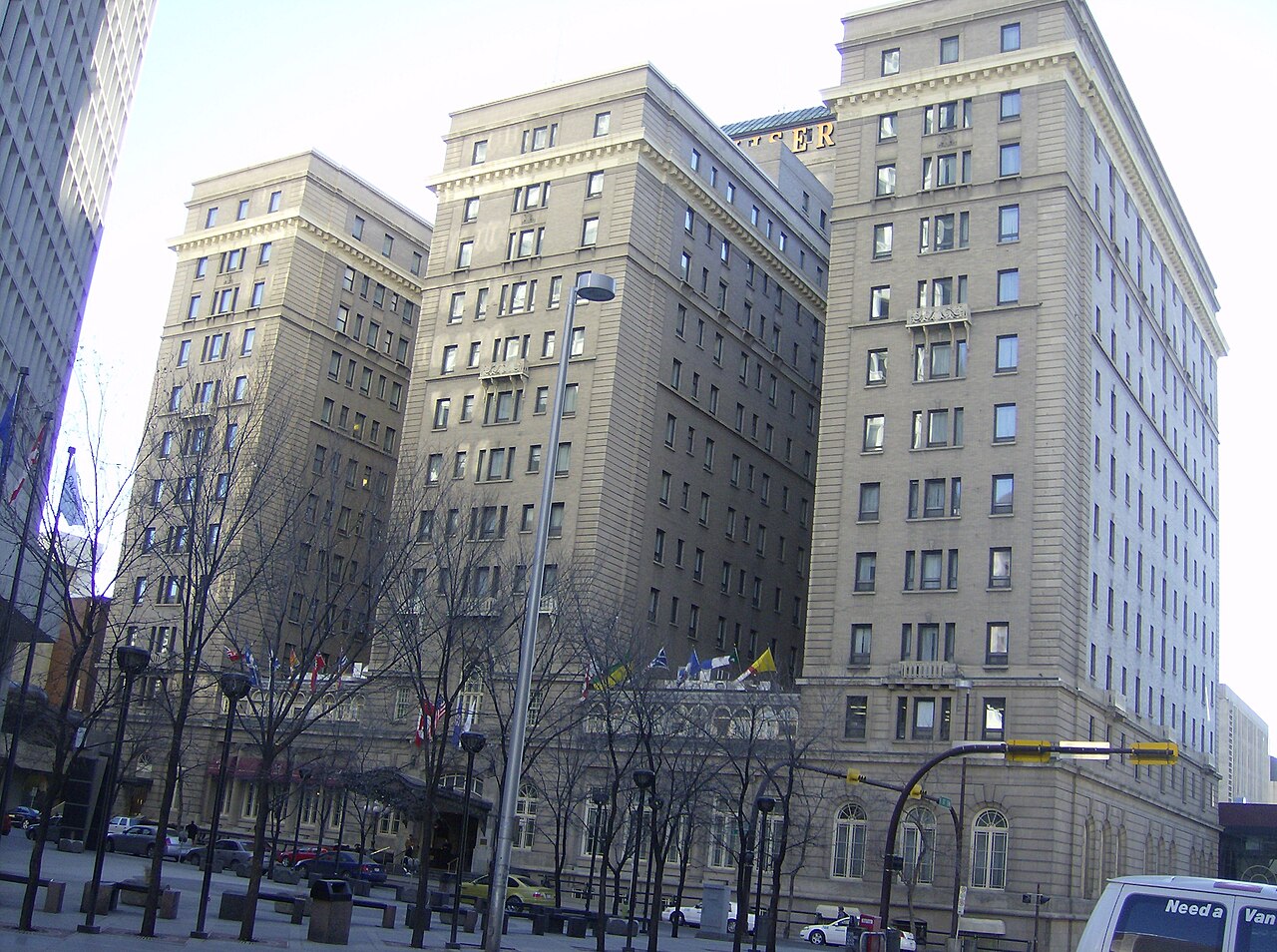
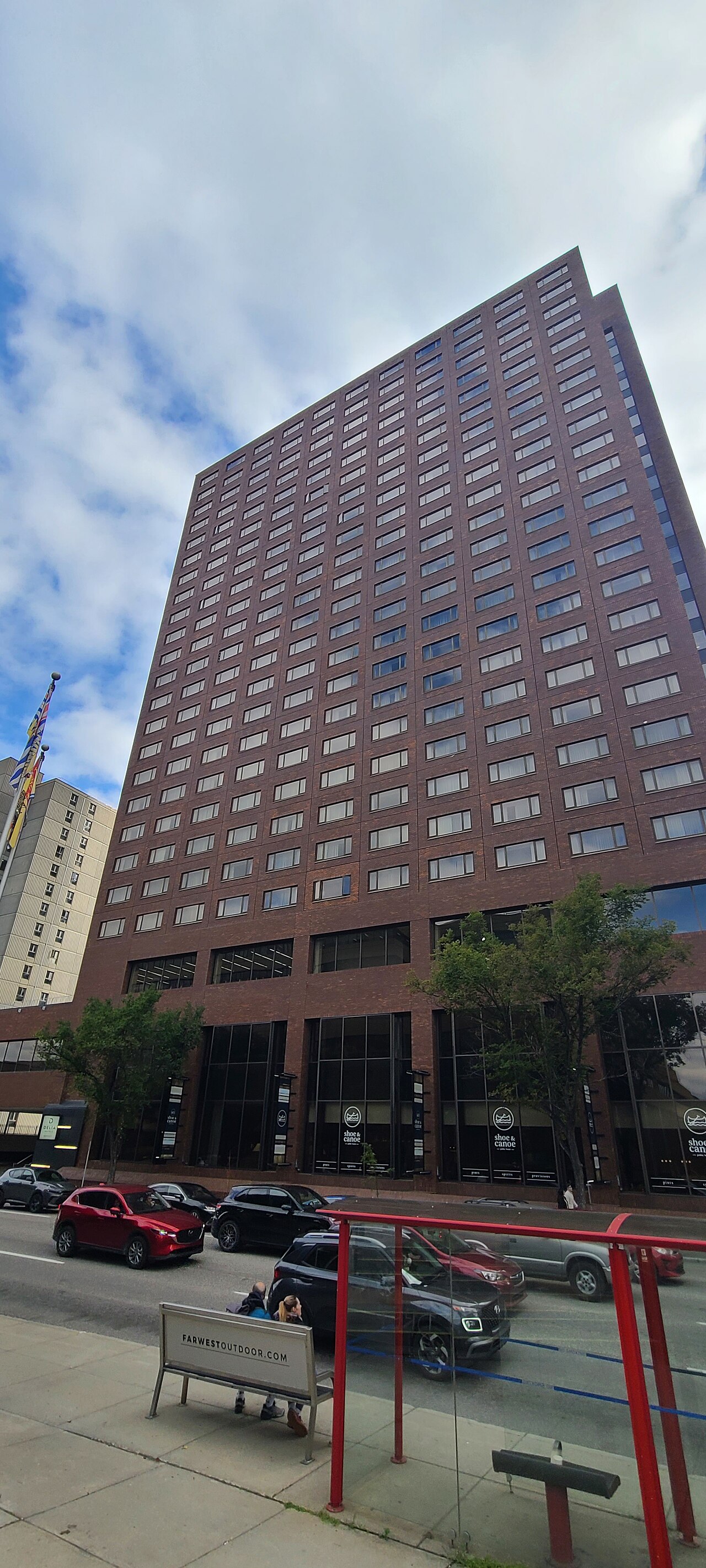
For a first visit, the downtown core keeps this itinerary on foot. The Fairmont Palliser is the grand railway hotel beside the Tower, the Hyatt Regency is a dependable mid-range base near Stephen Avenue, and the Delta puts you close to the East Village sights on day two. Book early if your dates touch the July Stampede, when rooms are scarce and rates climb.