Cape Breton Island is the northern end of Nova Scotia, joined to the mainland by the Canso Causeway, and its headline attraction is the Cabot Trail, a loop road of roughly 300 kilometres around the northern highlands. This guide covers the road, Cape Breton Highlands National Park, the Fortress of Louisbourg, Baddeck and the Alexander Graham Bell site, whale watching from Pleasant Bay and the Celtic music venues. Halifax and the rest of mainland Nova Scotia are covered in their own guide.
Know the seasons first
Cape Breton is a summer and early-autumn destination, and most attractions run from mid-May to mid-October. The Bell site's 2026 season ended on 30 October, the Highland Village closed on 17 October, the Gaelic College on 8 October, Glenora on 24 October and the whale cruises on 30 September. In November the national park is open but without visitor services, the Cabot Trail road is open and plowed, the Fortress of Louisbourg grounds are open on weekdays for free with no buildings, and the Celtic Music Interpretive Centre in Judique opens on Sunday afternoons. If you travel in winter, plan around those and the year-round hotels.
When to go
June to early October is the main season. July and August are warmest and busiest, with the most whale cruises and festivals, while late September and early October bring the autumn colours and the island's biggest crowds, so book rooms well ahead for those weeks. Spring is quiet but many places do not open until mid-May or late May.
What to book ahead
In July, August and the colour weeks, reserve hotels and any small-boat or guided trip before you leave home. The whale and seal cruise from Pleasant Bay and the small-group Cabot Trail day tour from Baddeck run in small groups, so places go. From 26 June to 25 October, parking for the Skyline Trail must be reserved online with Parks Canada, and once the spots are gone there is no access at that time. Louisbourg, the Bell site and the Highland Village do not need reservations.
Getting around
The island is large and public transport is limited, so a rental car is the practical choice. Fly into Halifax and drive about four hours to Baddeck, or fly into Sydney, which is about an hour from Baddeck. Fill the tank in Baddeck, Chéticamp, Pleasant Bay or Ingonish, because services between them are thin, and allow more time than the map suggests for the winding highland roads. A small-group day tour from Baddeck is the alternative if you do not want to drive the Cabot Trail.
How many days
Four days is a good first visit. Spend two days on the Cabot Trail, with a night in Chéticamp or Ingonish and stops at the park, the Skyline Trail and, in summer, a whale cruise from Pleasant Bay. Spend a day around Baddeck with the Bell site and, in season, the Highland Village and the Gaelic College. Spend a day on the Fortress of Louisbourg from Sydney. With a fifth day add the Ceilidh Trail, with the Celtic Music Interpretive Centre in Judique and Glenora in Glenville.
Where the headline sights fit
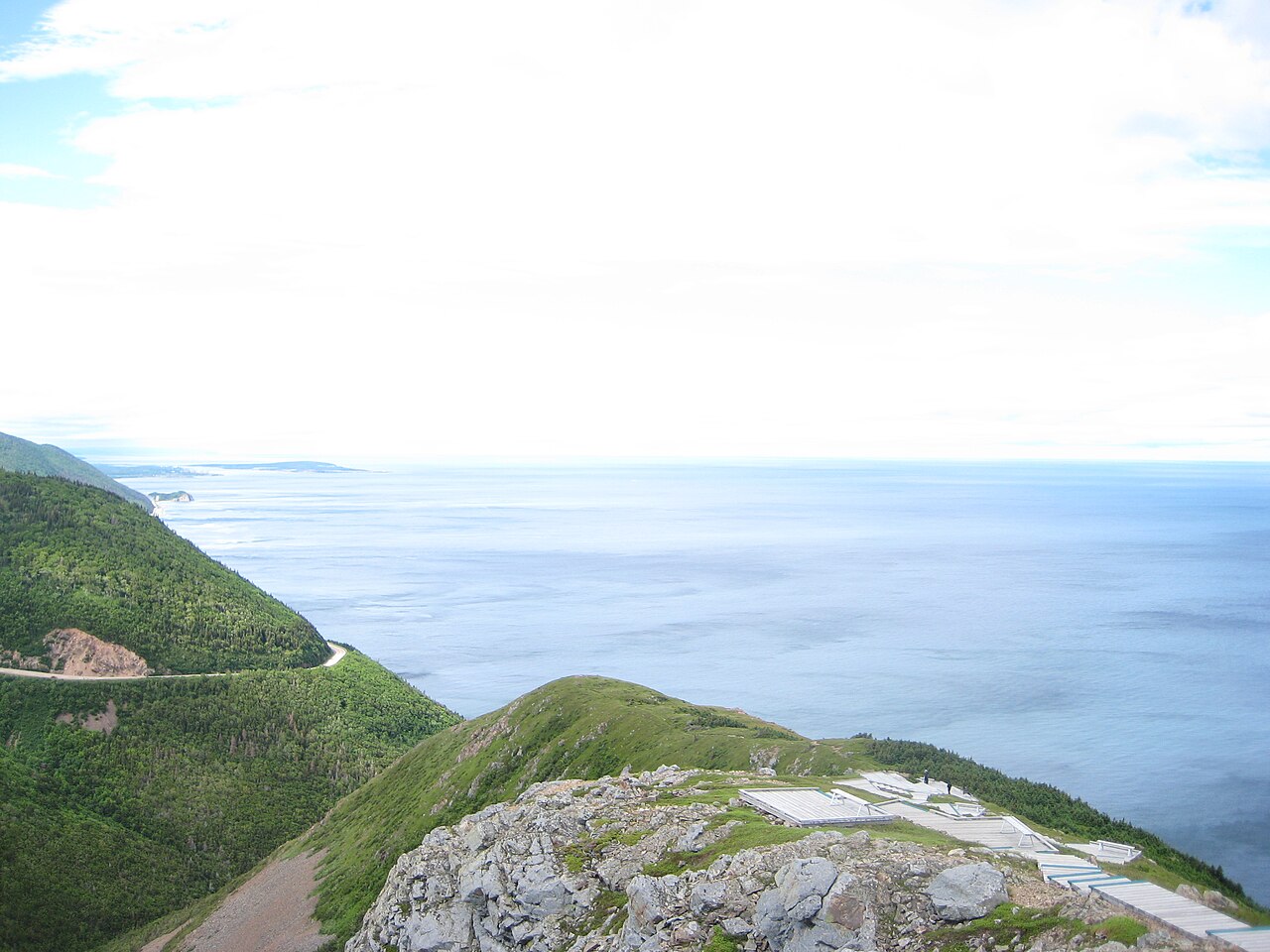
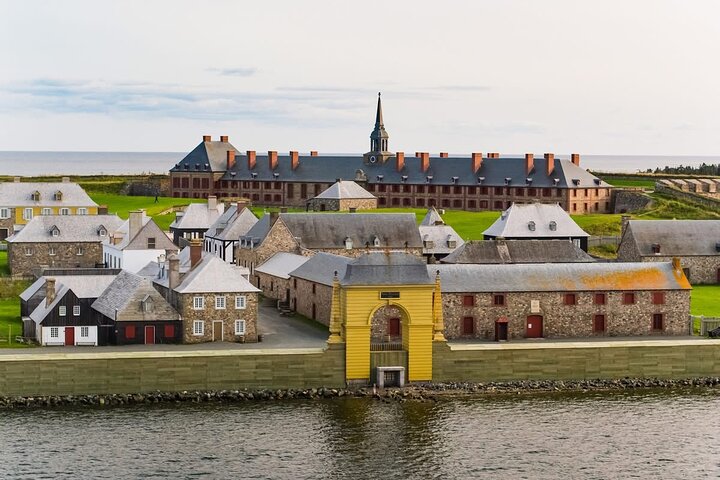
The Cabot Trail and the national park are the scenic heart, and the Skyline Trail is the best single hike. The Fortress of Louisbourg is the history day, and it is the sight with some winter access. Baddeck is the base for the Bell site and for the start of the loop. For music, the Celtic Music Interpretive Centre is the most reliable year-round stop, and Glenora and the Gaelic College are summer venues.
Weather and packing
Wind and fog off the Gulf of St. Lawrence are common, so pack a windproof, waterproof layer even in summer, sturdy shoes for the trails and insect repellent in early summer. Cell service is unreliable in the highlands, so carry a map and tell someone your plans if you hike. In autumn and winter, check road reports on 511 before you set out.