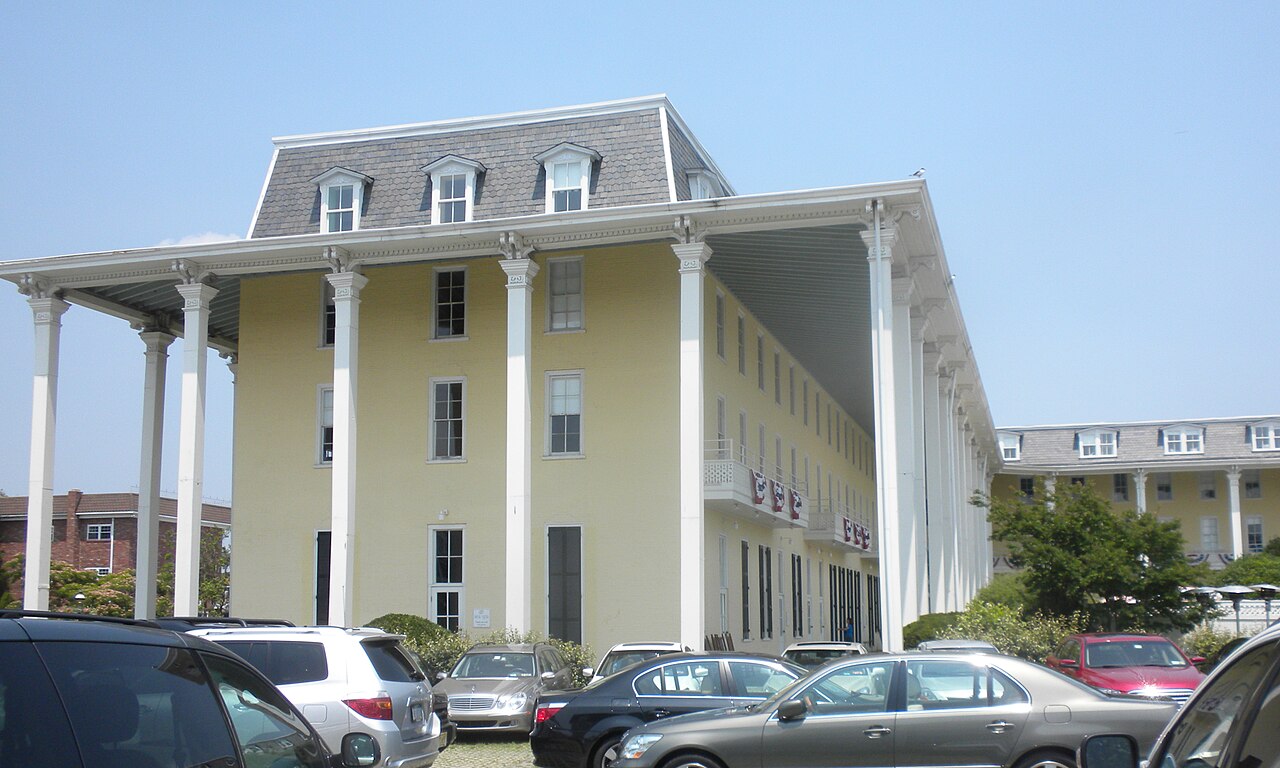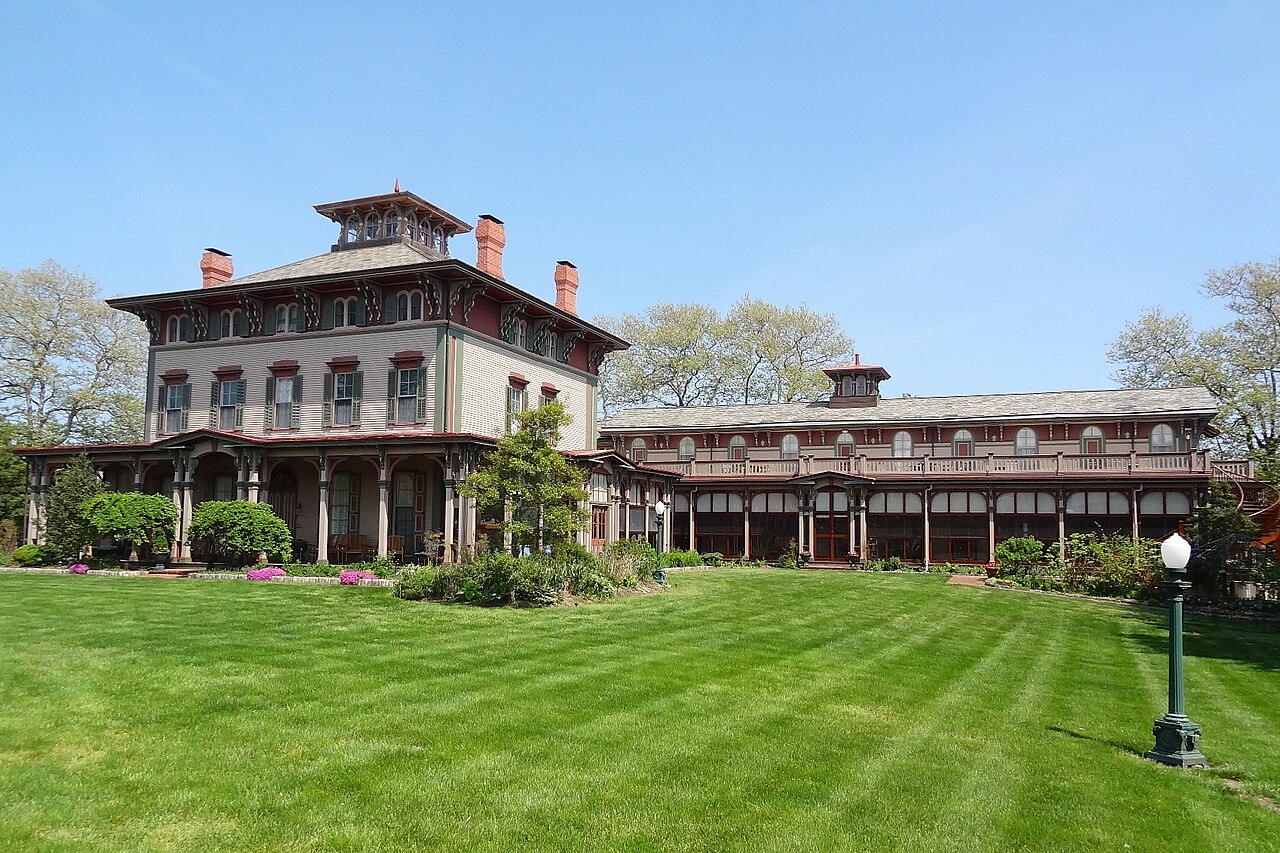
Cape May sits at the very southern tip of New Jersey, where the Atlantic meets Delaware Bay, and it is one of the oldest seaside resorts in the United States. Its appeal is a combination that few places manage: a National Historic Landmark district full of painted Victorian houses, a long beach with a promenade rather than a boardwalk of rides, some of the best birding in North America and a relaxed, walkable center. The town is small, so a first visit is easy to plan, but a few choices make a big difference.
How the town is laid out
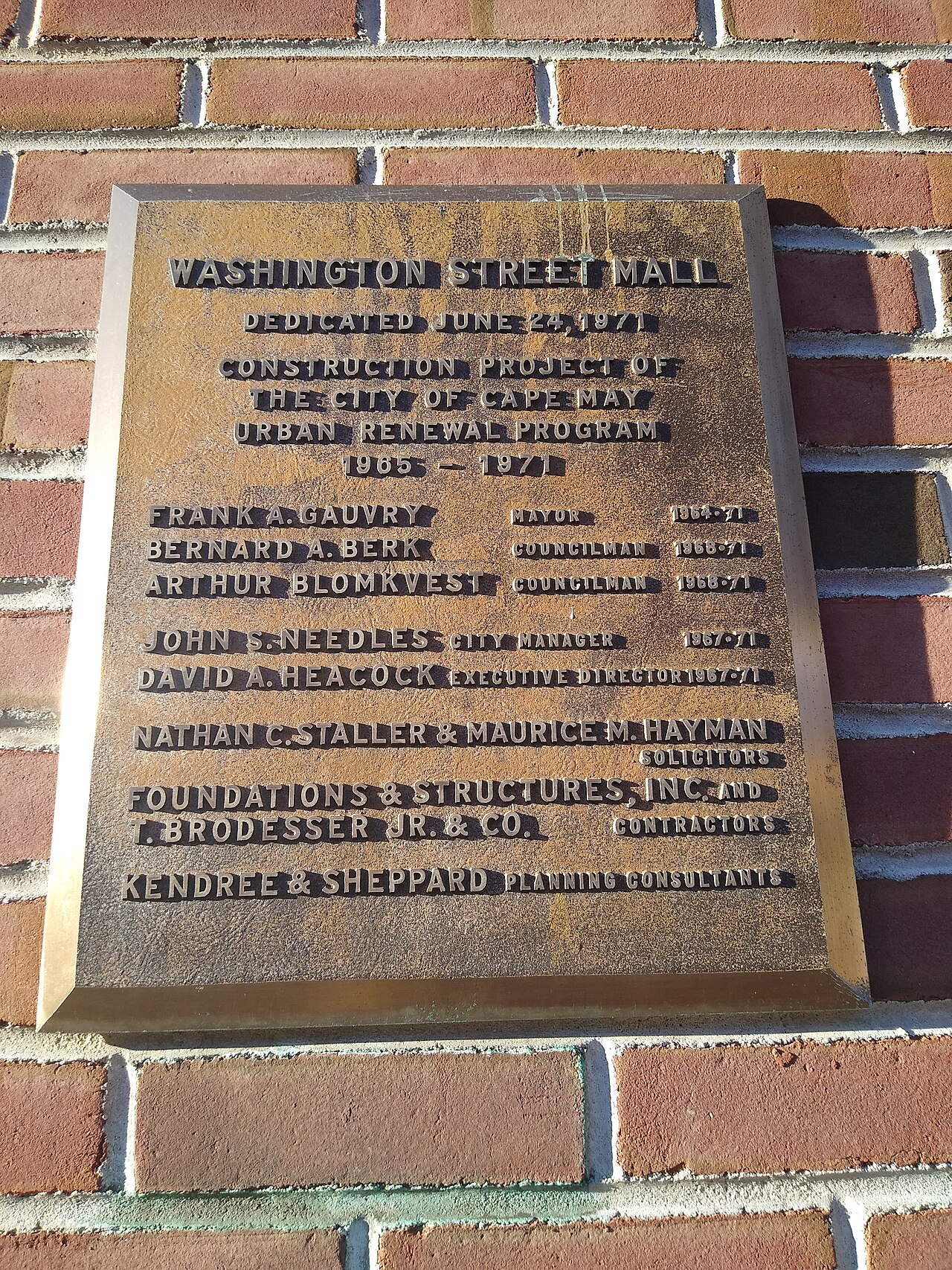
The historic district and Washington Street Mall sit in the middle, a few blocks from the oceanfront on Beach Avenue. East of the center are the harbor and the Coast Guard base, where the boat cruises depart. West and south, the road leads to Cape May Point, where the lighthouse, the state park and Sunset Beach lie among dunes and ponds. Almost everything you need is within a few miles, and the center is flat and good for bicycles.
Parking and getting around
Parking is the main hassle in summer. Many inns have a few spaces, and public lots and metered streets fill early on sunny weekends, so park once and walk or cycle. Trolley, carriage and walking tours help you cover the historic district without a car, and rental bicycles are everywhere. If you are driving to the point, arrive early or late in the day to avoid congestion near the lighthouse.
Beach tags
In the main summer season, you normally need a beach tag to use the town's beaches, and tags are sold at kiosks and checked by badge checkers. Many inns include tags for guests, so ask when you book. Outside the season the beach is free to use, and quiet winter walks are one of the town's secrets.
The must-do list
For a short stay, aim for these: a stroll through the Victorian streets, a climb up the lighthouse, a sunset at Sunset Beach, a wildlife cruise on the water, dinner somewhere you have reserved ahead and an ice cream on the Washington Street Mall. If you have a rainy day, tour the Emlen Physick Estate, browse the shops or take a drive to a winery or Historic Cold Spring Village.
What to book ahead
In July and August, reserve your room months in advance, and reserve dinner, cruises and popular tours as soon as your dates are fixed. The wildlife and dinner cruises sell out on weekends, and the better-known restaurants are full by early evening. Shoulder seasons, from late April to June and from September to October, are much easier and often very beautiful.
Eating well
Cape May has a strong restaurant scene for a small town, from casual seafood shacks and pizza to elegant dining rooms in the historic hotels. Many restaurants are BYOB, so bring a bottle if you wish. Try local seafood such as scallops and clams, Jersey tomatoes and sweet corn in summer, and a slice of fudge or a cone of ice cream for dessert.
Weather and clothing
The shore is breezy and the evenings cool even in July, so pack a light jacket. Summer days are warm and humid, with thunderstorms in the afternoon, and winter is cold and quiet. Insect repellent is wise for marsh trips and evening walks, and comfortable shoes are essential for walking on brick and cobbled paths.
Respecting the place
Many buildings are private homes or inns, so enjoy them from the sidewalk and keep noise down at night. Protect dunes and nesting birds by staying on marked paths, and follow posted rules about dogs and fires on the beach. A little care keeps the town the way visitors love it.
Money-saving ideas
Cape May can be expensive in summer, but there are ways to keep costs down. Visit midweek or in the shoulder seasons, choose an inn that includes breakfast and parking, and take advantage of the free pleasures: the historic district walk, the promenade, Sunset Beach and the hawk watch platform. Picnics on the beach, BYOB dinners and shared desserts all help, and the county zoo is free.
Accessibility
The historic district and promenade are mostly flat, but older inns and houses often have stairs and narrow doorways, and the lighthouse climb has no elevator. Ask about ground-floor rooms and parking when you book, and contact tour operators in advance if you need help boarding a boat or entering a building.
A sample first day
Start with breakfast and a walk through the historic district, then climb the lighthouse in the late morning. Have lunch near the point, spend the afternoon on the beach, and take a wildlife or sunset cruise in the evening. Finish with dinner and a stroll along the Washington Street Mall, which is lovely in the cooler evening air.