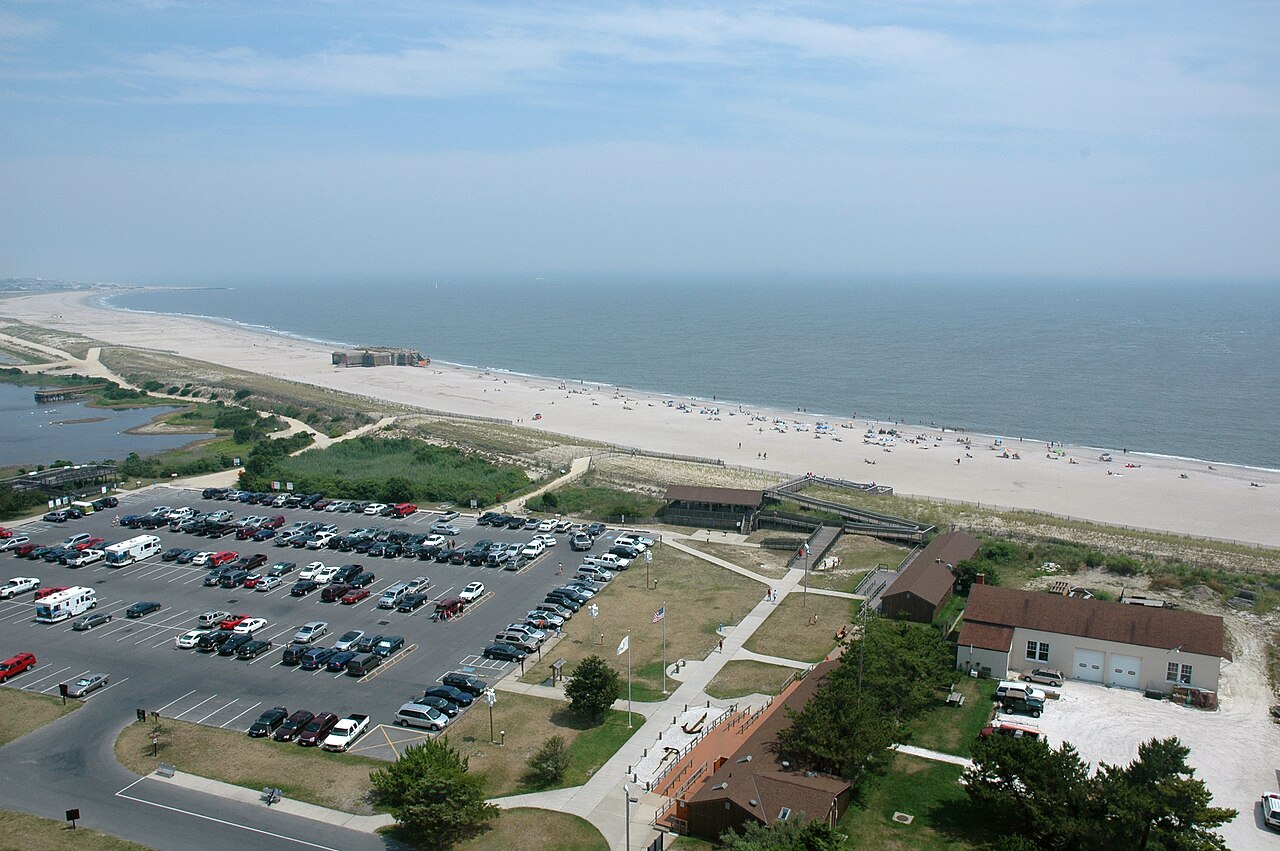
Cape May is one of the great birding destinations of North America, a title it earns from geography. The peninsula pushes south into a corridor where Delaware Bay meets the Atlantic, and migrating birds that follow the coast build up here before crossing the water. For a few weeks in spring and autumn, the cape is a funnel of wings, and even people who have never owned binoculars quickly get caught up in the excitement.
Autumn: the hawk watch and monarchs
From roughly September into November, raptors pass overhead in large numbers, including sharp-shinned hawks, kestrels, merlins, peregrine falcons and ospreys. The hawk watch platform at the state park is the best place to watch, with counters who record the flights and help visitors identify birds. Monarch butterflies also gather in early autumn, and songbirds drop into the shrubs and trees. The best days often follow a cold front, when northwest winds push birds toward the coast.
Spring: songbirds and shorebirds
In May, warblers and other songbirds arrive from the south in colorful waves, and the bay beaches host migrating shorebirds that feed on horseshoe crab eggs. Spring migration is more spread out than autumn, but it is a feast for early-morning walkers. Local guides and walks help you find the best spots.
Summer: nesting birds and marsh life
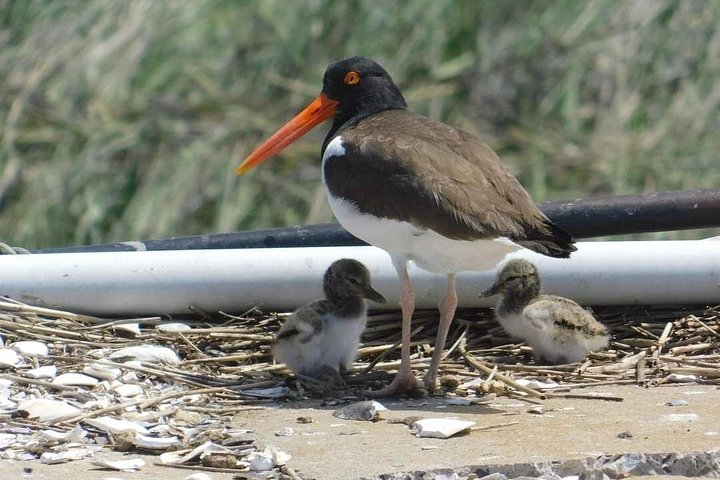
The warm months bring nesting herons, egrets, ospreys, terns and skimmers. Some beaches are roped off to protect nesting birds, and respecting these closures matters. Boat eco cruises are especially rewarding in summer, taking you through the marshes to see birds up close without disturbing them.
Winter: ducks, geese and owls
Cold months bring flocks of waterfowl, sea ducks offshore and occasional owls and northern visitors. The crowds are gone, and patient birders can enjoy quiet trails and empty beaches. Dress warmly, as the wind off the water is bitter.
Where to go
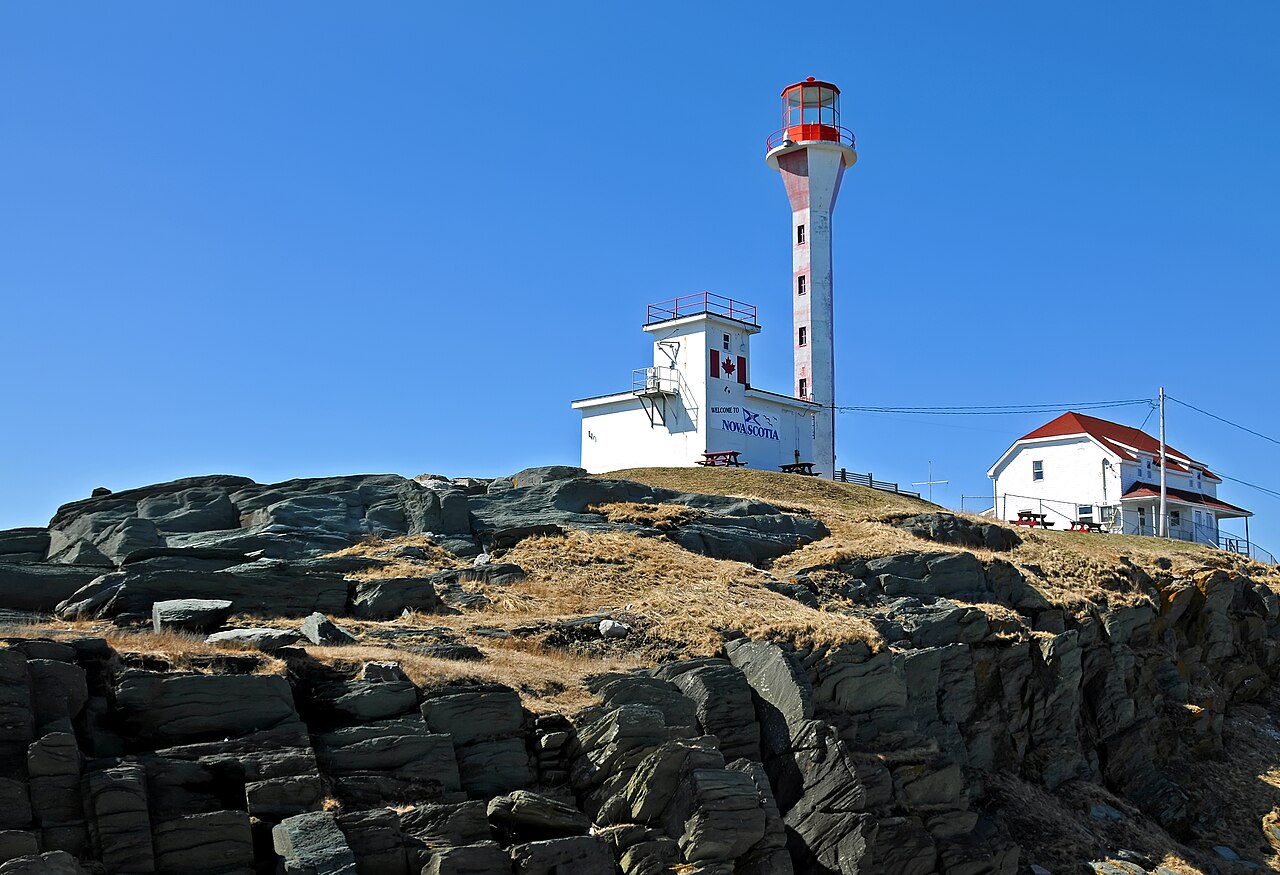
The state park around the lighthouse is the center of activity, with trails, ponds, a visitor center and the hawk watch platform. The nearby meadows and dune areas add variety, and the bird observatory run by a conservation society has centers with exhibits, bird lists and a busy program of walks. Boat cruises through the marsh and bay add a different perspective, while Sunset Beach is good for waterbirds and the light.
Joining programs
Guided walks, workshops and field trips are a good way to learn quickly and are often led by expert birders. Some require pre-registration and fees, and popular ones fill early. Check the calendar before you travel and book early for autumn weekends.
What to bring and how to behave
Binoculars are essential, and a field guide or a free identification app is helpful. Wear layers, comfortable shoes and neutral colors, and carry water and insect repellent. Stay on marked trails, keep a respectful distance from nests and roosts, keep dogs on leash where allowed and avoid playing recorded calls, which can stress birds. Share sightings with other birders, a friendly habit that makes the cape special.
Planning a birding weekend
If you have two or three days, start with a morning on the hawk watch platform or a guided walk in the state park, take a midday break at a cafe or the beach, and join a marsh or bay cruise in the afternoon. On the second day, try a different habitat, such as the meadows or dunes, and finish at the lighthouse. Stay somewhere near the point if you want to be on the trails at dawn.
Birding with family
Children often enjoy the hawk watch, where counters call out birds and keep a scoreboard, and the ponds in the state park are good for turtles and dragonflies. Give young children a simple checklist or a camera and let them hunt for different colors and sizes. The key to success is short outings, snacks and patience. A boat trip can be a rewarding break because the animals come to you.
Beyond birds
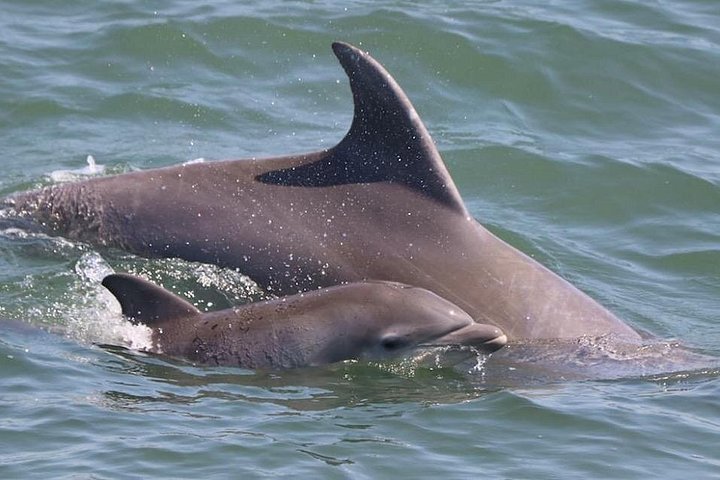
The cape is also known for dragonflies, butterflies, horseshoe crabs, turtles and, offshore, dolphins and the occasional whale. Even visitors with no interest in lists will enjoy the dunes, ponds and big skies. Pair a morning on the platform with a lighthouse climb, a marsh cruise and a sunset at the beach for a perfect nature day.