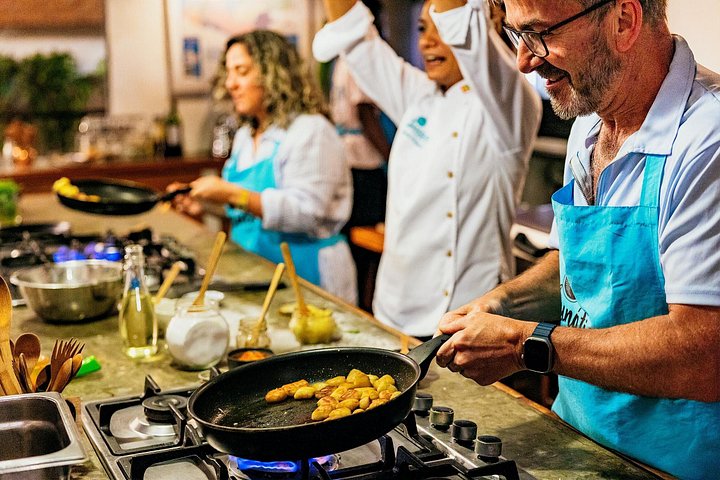
Cartagena eats well, and a cooking class is the most delicious way to understand why. The cuisine of Colombia’s Caribbean coast is built on coconut, plantain, fresh fish, tropical fruit and rice, with Indigenous, African and Spanish influences all visible on the plate. A hands-on class puts you at the stove rather than the table, so you learn how coconut rice gets its sweetness, why fried plantain is cooked twice and how a simple ceviche or fish dish comes together. The class we link is a small-group session of about three hours led by a local chef, and it ends with you sitting down to enjoy the meal you have prepared. It is one of the most popular activities in the city for good reason, and it works for solo travellers, couples and friends alike, whether you cook at home every day or barely at all.
How it works
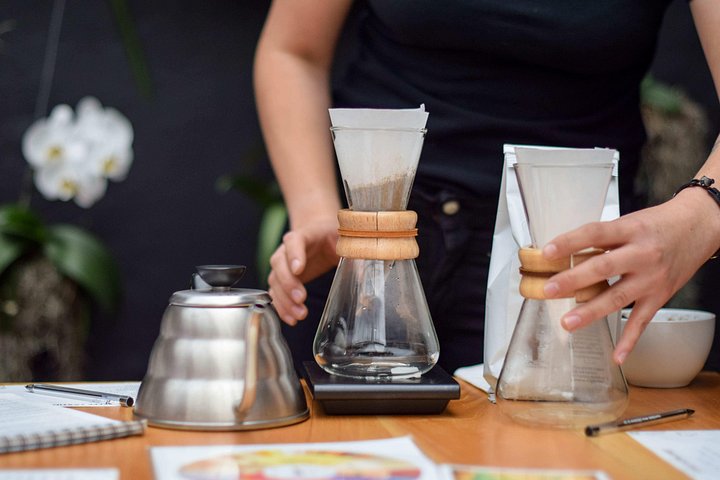
You meet your chef and the other guests at the kitchen, where ingredients are already laid out. Groups are small, so everyone chops, stirs and tastes, and the chef explains each step as you go. Expect to prepare several dishes that reflect the Caribbean coast, usually a starter, a main course and something sweet, with recipes you can recreate at home. You cook, you eat together and you leave with new techniques. Dietary needs such as vegetarian or allergies should be mentioned when you book, so the chef can plan ahead.
What to expect
The atmosphere is relaxed and social, closer to a dinner party than a lesson. The chef will talk about local ingredients, such as the plantain, cassava, limes and coconut that appear in almost every dish, and about where Cartagenians shop and eat. Music often plays in the background, the kitchen is air-conditioned or at least fan-cooled, and drinks are usually part of the experience, though you should confirm what is included when you book.
By the end, you will have a full meal on the table and a good idea of what to order in the city’s restaurants.
Making the most of it
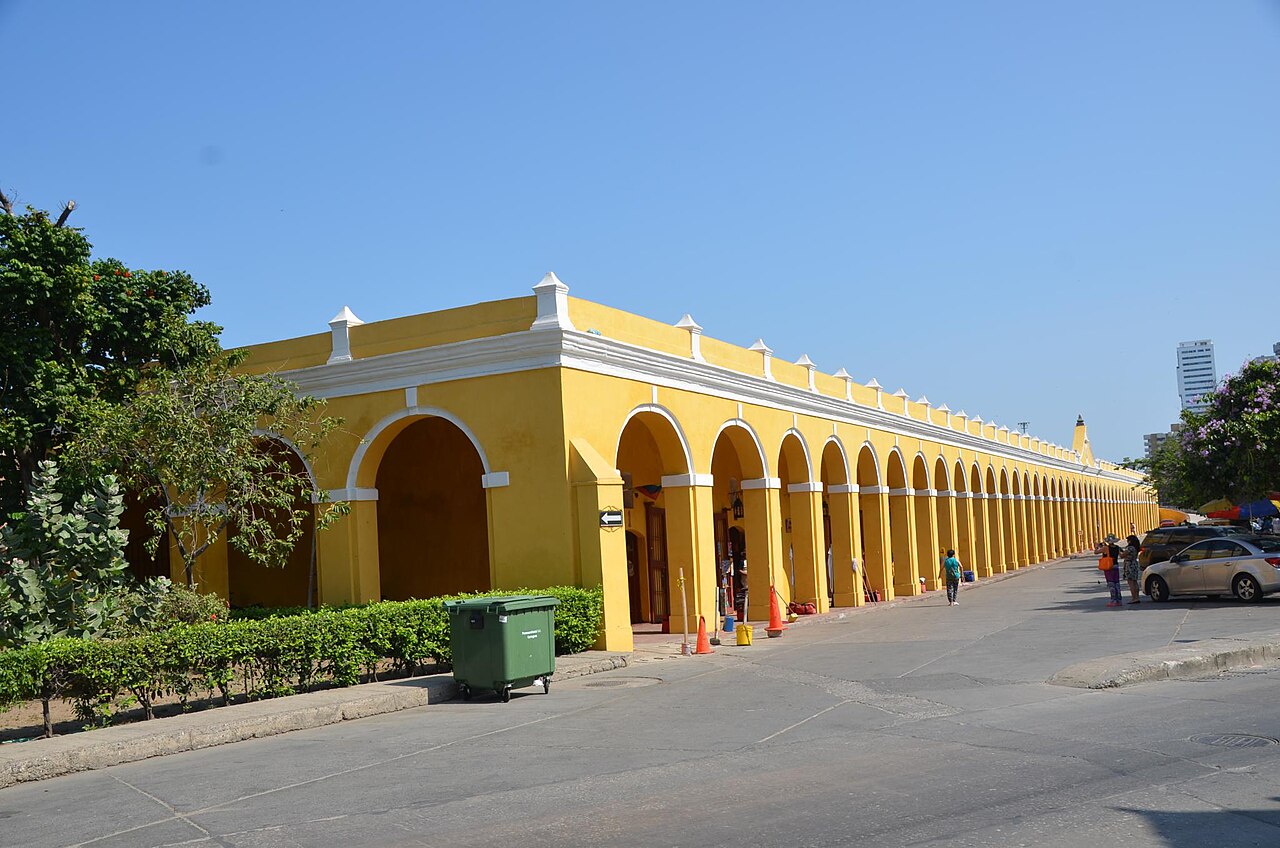
Arrive hungry, because the portions are generous and you will eat what you cook. Wear closed shoes and an outfit that can handle splashes of oil. Ask the chef where to find fresh ingredients and the best street food, since local tips are a bonus. Book early in your stay so that you can apply what you learn, and choose a lunch or early evening slot to match your hunger. If you want something livelier afterwards, wander through Getsemaní, where the food is simpler and the music louder.
Planning around it
Classes often fill in high season, so reserve a day or two ahead rather than on the morning itself. If you are on a tight schedule, a lunch session is the best use of time, since the meal you cook replaces a restaurant visit. Bring a notebook or use your phone to jot down measurements and tips.
When you get home, the coconut rice and fried plantain are easy to recreate with ingredients from a good grocery store, and they are a delicious way to relive the trip. Leave room in your suitcase for a few spices or a jar of local sauce, which keep well and bring the class back to your own kitchen.
What to expect
The experience
A small-group, hands-on class with a local chef that ends with a shared meal of what you cooked.
Best time
A lunch or early evening slot, so the meal is also your main meal of the day.
How long
About three hours, including cooking and eating.
Tips
Arrive hungry, wear closed shoes and mention any dietary needs when you book.
Quick picks
- Best for
- Food lovers, solo travellers and anyone who wants a social, delicious way to meet people.
- Families
- Older children who like helping in the kitchen will enjoy it, but check the minimum age when you book.
- Couples
- A relaxed shared activity that ends with a table for two.
- Pair with
- A wander through Getsemaní to walk off the meal.
- Time needed
- About three hours.
Good questions
Do I need cooking experience?+
No. The class is hands-on and guided step by step, so beginners and confident cooks are equally welcome.
Do we eat what we cook?+
Yes. The class ends with everyone sitting down to enjoy the dishes you prepared together.
Can vegetarians or people with allergies join?+
Usually yes, but mention dietary needs when you book so the chef can adapt the menu.
How long is the class?+
The class we link lasts about three hours in a small group.
Can I take the recipes home?+
Classes are built around recipes you can recreate at home, so take notes or photos as you cook and ask the chef about ingredient substitutes.