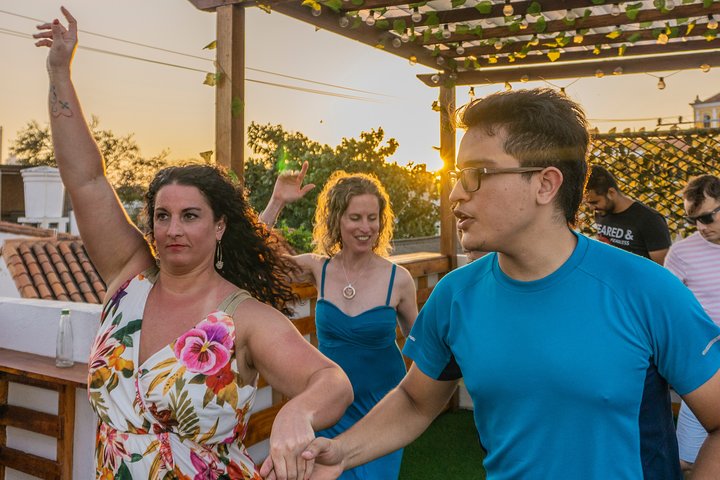
Beyond the beaches and the walls, Cartagena’s coast is lined with mangroves, tangled forests whose roots shelter fish, crabs and birds and protect the shore. This tour takes you into them by artisanal canoe, a slow and peaceful way to see a side of the region that fast boats and big resorts miss, and then adds a cultural chapter with Afro-Caribbean dance, the rhythms that grew from the communities of the Colombian coast. It is a gentle, small-scale outing that mixes nature and heritage in a single afternoon. The mangroves are a calm contrast to the old town. Water laps against the canoe, birds call from the branches and the guide, often a local, explains how families have fished and lived alongside the forest for generations. When the paddle ends, the music begins, and you are encouraged to join in. You do not need to be a dancer; the aim is participation and fun, and the result is a warm, memorable taste of coastal culture that goes well beyond the usual sightseeing circuit.
How it works
The tour is a half-day or similar outing from Cartagena, with transport to a mangrove area and a canoe journey led by local guides. After the paddle, the group takes part in a dance session with music inspired by Afro-Caribbean traditions. Group size, meeting arrangements and inclusions differ, so check the details for your chosen date, including whether food or drinks are part of the programme.
What to expect
Expect a slow, quiet float through narrow channels, with a guide describing the mangrove ecosystem, the wildlife and the local way of life. You may see birds and small fish, and the shade of the trees is a relief on a hot day. The dance session is relaxed and friendly, led by performers who teach basic steps and encourage everyone to join. It is participatory rather than a staged show, so be ready to move.
Making the most of it
Wear light clothes you do not mind getting damp, a hat, sunscreen and insect repellent, because mosquitoes live in mangroves, especially around dawn and dusk. Bring water and a small dry bag for your phone. Listen to your guide about where to sit in the canoe, keep your hands inside it and avoid touching roots or wildlife. Respect the community’s space and ask before taking photographs of people.
Planning around it
The tour suits curious travellers, couples and families with older children who enjoy a slower pace and cultural activities. It is a good rainy-season or heat-of-the-day option if you want shade, and it combines well with a visit to Palenque, since both explore the African heritage of the Colombian coast. It is less suited to anyone who wants adrenaline or a beach day, and travellers with mobility issues should ask about boarding the canoe.
Good to know
The mangroves are a protected and fragile ecosystem that shelters young fish, absorbs storm surges and stores carbon, so tours that move quietly and leave no trace support the community that depends on them. The dance traditions you meet here grew from the African heritage of the coast, the same heritage that shaped champeta, cumbia and the drumming of Palenque. Tipping the guides and performers is appreciated.
What to expect
The experience
A guided canoe paddle through coastal mangroves, followed by a participatory Afro-Caribbean dance session.
Best time
Morning or late afternoon, when the light is soft and the heat is lower.
How long
Roughly three to four hours with transport.
Tips
Wear light clothes, use repellent and listen to the guide about boarding the canoe.
Quick picks
- Best for
- Travellers who like quiet nature and local culture.
- Families
- Good for families with older children; check age and weight rules for the canoe.
- Couples
- A peaceful, original activity for couples.
- Pair with
- A visit to Palenque or a street food tour.
- Time needed
- Half a day.
Good questions
Do I need to know how to paddle?+
No. The canoe is guided and the pace is slow, so first-timers are welcome.
Do I need to dance well?+
No. The session is for everyone and the performers teach simple steps.
Are there mosquitoes?+
Mangroves can have mosquitoes, so bring insect repellent and wear light long sleeves if you are sensitive.
Is it suitable for children?+
Usually yes for older children, but check the age rules and life-jacket arrangements when you book.
What should I bring?+
Water, sunscreen, repellent, a hat, a dry bag and small cash for tips.