San Basilio de Palenque is one of the most important cultural stops anywhere in Colombia and one of the least known to visitors who stay inside the walled city. The village lies in the hills southeast of Cartagena and was founded in the 17th century by Africans who escaped slavery and, under their leader Benkos Biohó, built a fortified community the Spanish could not defeat. It is widely described as the first free African town in the Americas. Its people kept their own language, Palenquero, a creole that blends Spanish with Bantu African words, along with funeral songs, drumming, herbal medicine and a distinctive social structure. UNESCO proclaimed the cultural space of Palenque de San Basilio a Masterpiece of the Oral and Intangible Heritage of Humanity in 2005. The tour we link is a full-day excursion of about five to six hours, with transport from Cartagena and a local guide.
How it works
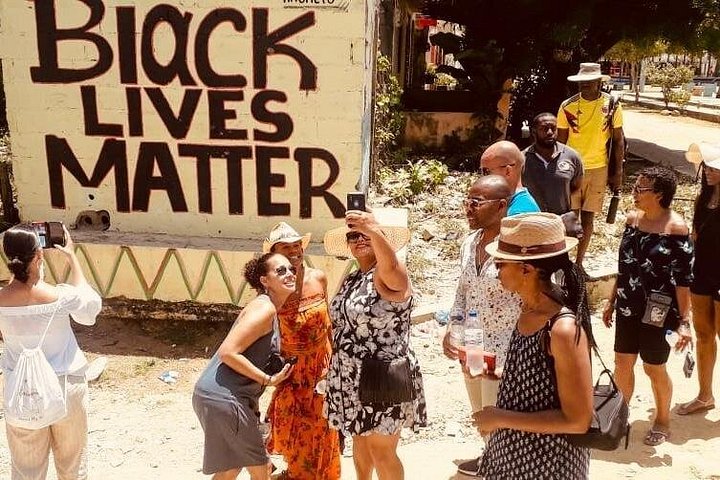
You are picked up in Cartagena, driven inland through the savannah and shown the village by a guide who is usually from the community or works closely with it. The visit is a cultural exchange, not a museum tour. You walk the lanes, see the statue of Benkos Biohó in the main square, hear how the town was founded and defended, and are introduced to local traditions.
Many visits include a drumming or dance demonstration, a talk about Palenquero and a chance to taste local food, though the exact programme varies by day and by group.
What to expect
Palenque is a small working village, not a polished attraction. Houses are modest, the streets are lively and children and elders are often curious about visitors. The music is the highlight, with call-and-response singing and drums that echo the African roots of the community. You may meet the palenqueras, women known for their traditional dress and for the fruit baskets they carry on their heads in Cartagena, and you will learn why their braids and head wraps have a history as well as an aesthetic.
The programme is moving rather than flashy, so expect conversation, stories and a lot of context.
Making the most of it
Wear light clothes, comfortable shoes and sun protection, and carry water and small notes for purchases and tips. Ask before photographing people, as you would anywhere, and buy crafts and food from community members directly if you can. Read a little about Benkos Biohó before you go, because the stories land harder with some background. The day is long and hot, so pair it with a rest afterwards, and do not expect a rushed itinerary, since the best moments come when the guide lets conversations breathe.
Planning around it
This is a day trip that rewards a calm mind and an open ear, so avoid squeezing it between two other major excursions. Spanish helps, though guides translate, and the people you meet are generally glad to talk if you ask politely and listen. Think about what you would like to learn beforehand, whether music, language, food or history, and tell your guide, who can steer the conversation. Afterwards, the murals and drumming of Getsemaní feel connected to what you have seen, which makes the evening richer.
What to expect
The experience
A guided cultural day trip with transport from Cartagena, a walk through the village, its history and a music or dance introduction.
Best time
Morning departure, so the walking part happens before the midday heat.
How long
Roughly five to six hours in total, including the drive in each direction.
Tips
Dress lightly, carry water and small notes, and ask before taking photos of people.
Quick picks
- Best for
- Travellers who want the history of the African presence in Colombia, told where it happened.
- Families
- Older children who can sit through stories and enjoy the drumming will do well; very young ones may tire.
- Couples
- A meaningful shared day with plenty to talk about afterwards.
- Pair with
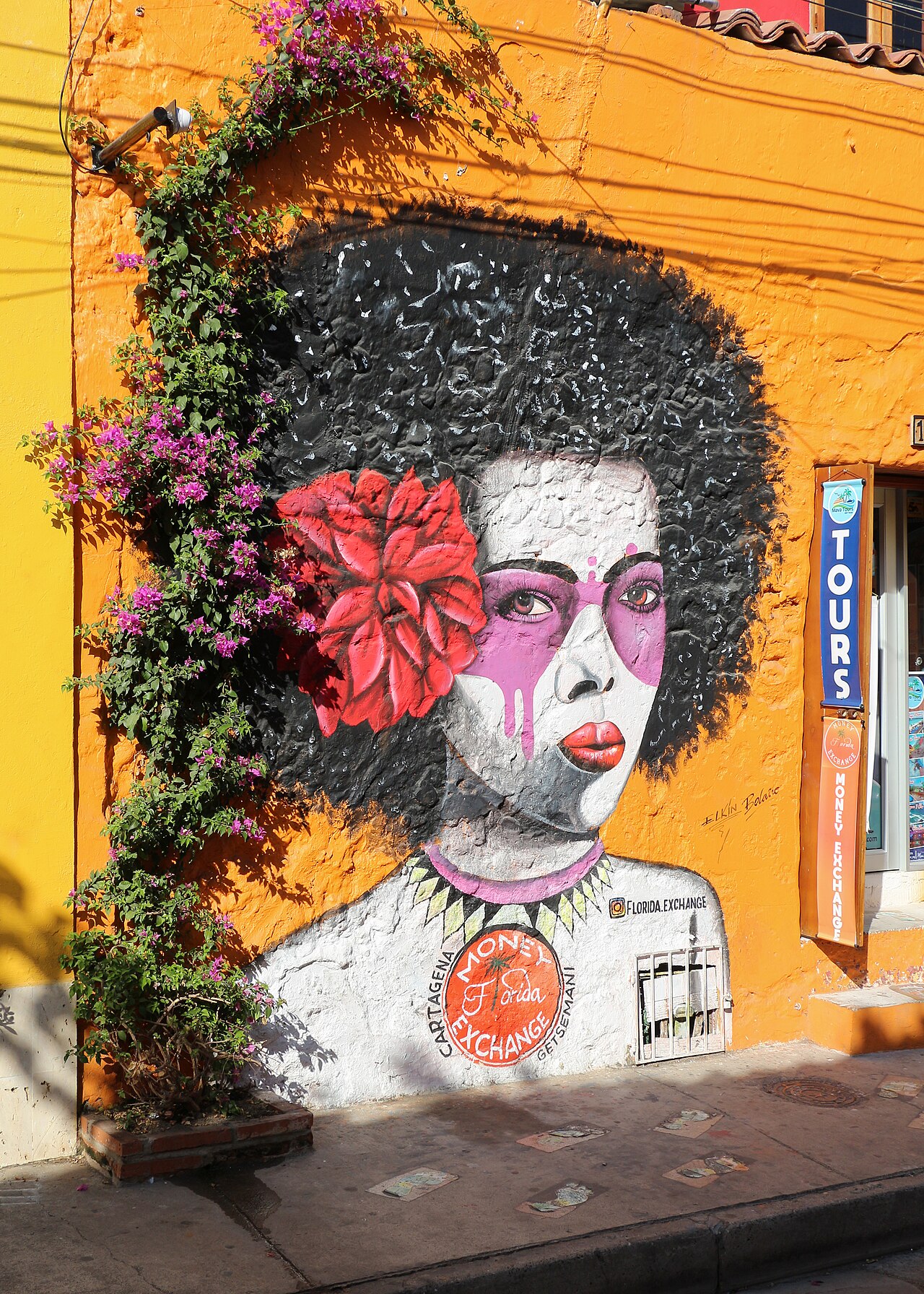
- An evening in Getsemaní, where Afro-Caribbean music is part of the streets.
- Time needed
- A full day, with a rest afterwards.
Good questions
What is San Basilio de Palenque?+
It is a village near Cartagena founded in the 17th century by Africans who escaped slavery. It is widely described as the first free African town in the Americas.
What language do people speak there?+
Spanish is spoken everywhere, but many residents also speak Palenquero, a creole language that blends Spanish with Bantu African words.
Is Palenque recognised by UNESCO?+
Yes. UNESCO proclaimed the cultural space of Palenque de San Basilio a Masterpiece of the Oral and Intangible Heritage of Humanity in 2005.
How long does the day trip take?+
The tour we link lasts about five to six hours including the drive from Cartagena.
How should I behave when visiting the village?+
Treat it as a living community: ask before photographing people, listen to your guide and buy crafts or food directly from residents where you can.