Caves have a reputation for stairs, darkness and wet floors, and many deserve it. But a surprising number of America's show caves can be enjoyed by visitors who cannot manage a long climb, use a wheelchair or walker, push a stroller or simply want a gentle outing. The key is matching the cave to the need and asking the right questions before you travel. This guide sorts the field and gives you a checklist.
The elevator caves
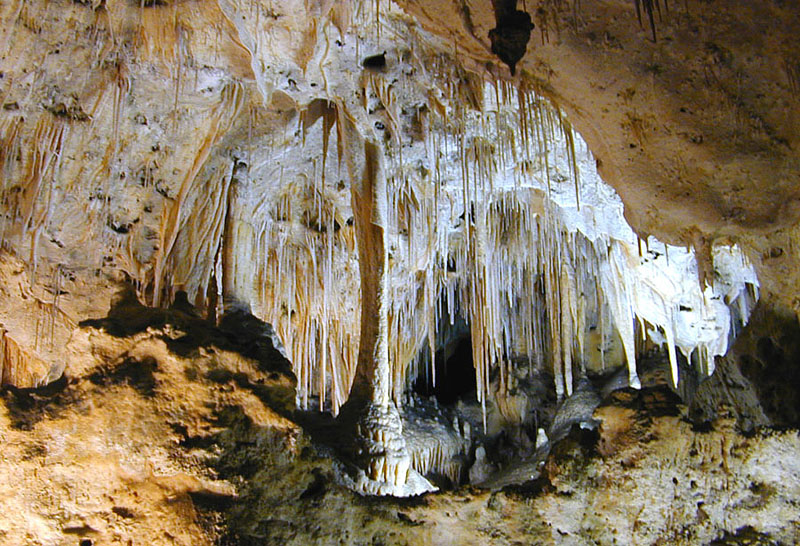
Elevators change the game. At Carlsbad Caverns, an elevator takes visitors from the visitor center straight into the cavern level, where a paved route loops through the Big Room. Howe Caverns uses an elevator to descend to a brick walkway, Ruby Falls drops visitors in a glass elevator into a level corridor, and Grand Canyon Caverns uses an elevator of about twenty-one stories to reach large dry rooms. These are the best starting points for travelers who want a big cave experience without a long staircase. Even so, confirm that the specific tour you want uses the elevator, since some properties offer both a stair route and a lift route.
Level and gentle routes
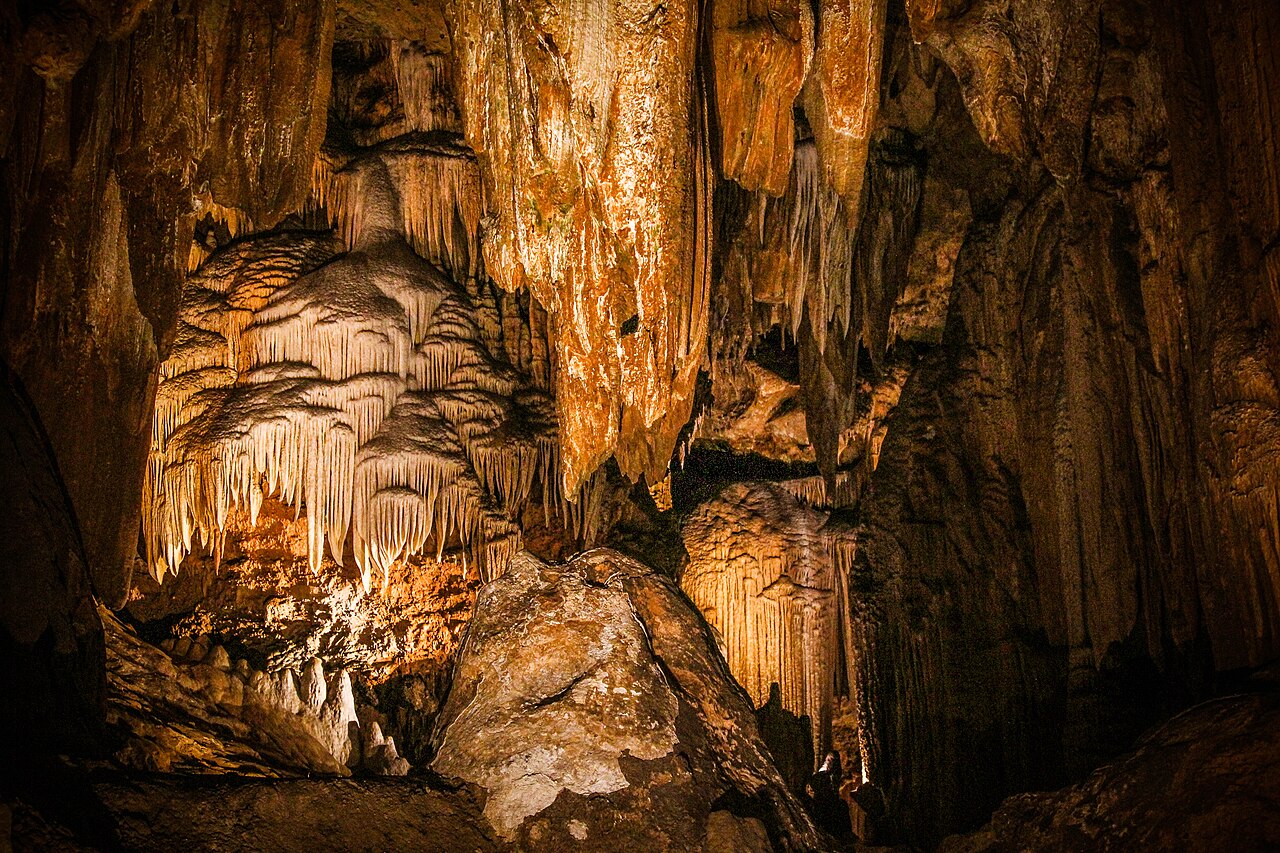
Some caves are simply gentle by design. Luray Caverns is known for broad, paved paths through large chambers, and Ruby Falls is flat from the elevator to the waterfall. Ohio Caverns and Skyline Caverns offer family-paced tours with mostly smooth paths, though both have stairs and low spots in places. Fantastic Caverns in Missouri tours its passages by riding in a jeep-drawn tram, which spares the legs. Always check the details, since a gentle cave may still have a few steps or damp spots.
Boat tours as an alternative
Boats make excellent accessible options when the dock is accessible. Penn's Cave, the Lost Sea and Howe Caverns all feature boat segments that spare the legs. Boarding often requires stepping down into a boat, so ask the staff about assistance and about whether wheelchairs or walkers can be accommodated. For travelers with balance issues, a boat can feel steadier than a stairway, and the experience is a highlight for children and adults alike.
Caves that are demanding
Some of the best caves are not suited to limited mobility, and it is kinder to know ahead of time. Timpanogos Cave requires a steep hike of more than a mile before the tour, Oregon Caves involves hundreds of steps and tight passages, Colossal Cave and Mark Twain Cave have stairs and uneven floors, and wild tours at Mammoth Cave, Natural Bridge Caverns and Cumberland Caverns involve crawling. If a destination is on your wish list, look for an easier tour offered by the same property, or consider the surface attractions as a way to share the day.
Questions to ask before you book
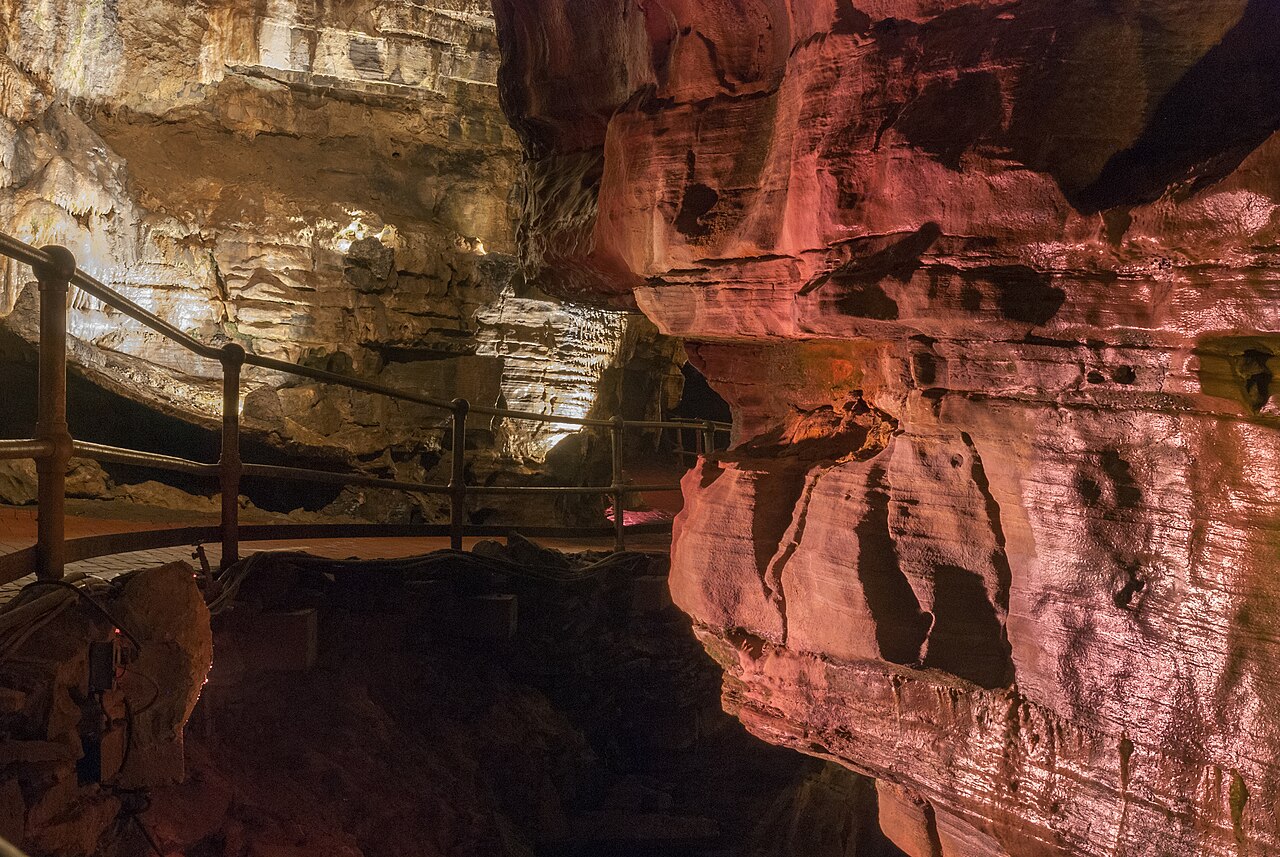
Call or email the venue and ask these questions. How many steps are on the route, and are there handrails? Is there an elevator or tram, and where does it go? Are wheelchairs, scooters or walkers permitted, and are there loaner chairs? Are the surfaces wet, slippery or uneven? How long is the tour, and are there benches along the way? Can a companion or caregiver accompany a visitor at no extra charge? Are service animals allowed, given bat and wildlife protections? And what is the nearest accessible parking and restroom?
Comfort and safety tips
Caves are cool, so layers matter for visitors who chill easily. Closed shoes with grip reduce slips on damp surfaces. Bring any medication and a water bottle, and take advantage of rest stops. Darkness demonstrations, when the guide turns off the lights, can be disorienting, and visitors can ask the guide for a heads-up or step to the edge. If hearing is a concern, ask for a position near the guide, since echoes can make speech hard to follow. For visitors with sensory sensitivities, some properties offer quieter tour times or low-sensory programs, so ask.
Planning the day
Accessible touring works best with a relaxed schedule. Choose one cave per day, schedule it for a time when you will be rested, and book timed tickets so you are not waiting in crowds. Build in time for the visitor center, where exhibits and films often tell the cave's story without any steps. Pair the cave with an accessible surface activity, such as a scenic drive, a riverfront stroll or a museum. And remember that no one is expected to do everything: a short, well-chosen tour can be every bit as memorable as a long one.