Caves are famous for ignoring the weather, and it is true that most hold a steady temperature all year. But the seasons still shape a cave trip in ways that matter: what the drive looks like, which tours run, how crowded the lines are and what surface activities fit around the tour. Planning by season turns a good cave visit into a great one. Here is how the year breaks down.
Spring: water, wildflowers and the first big crowds
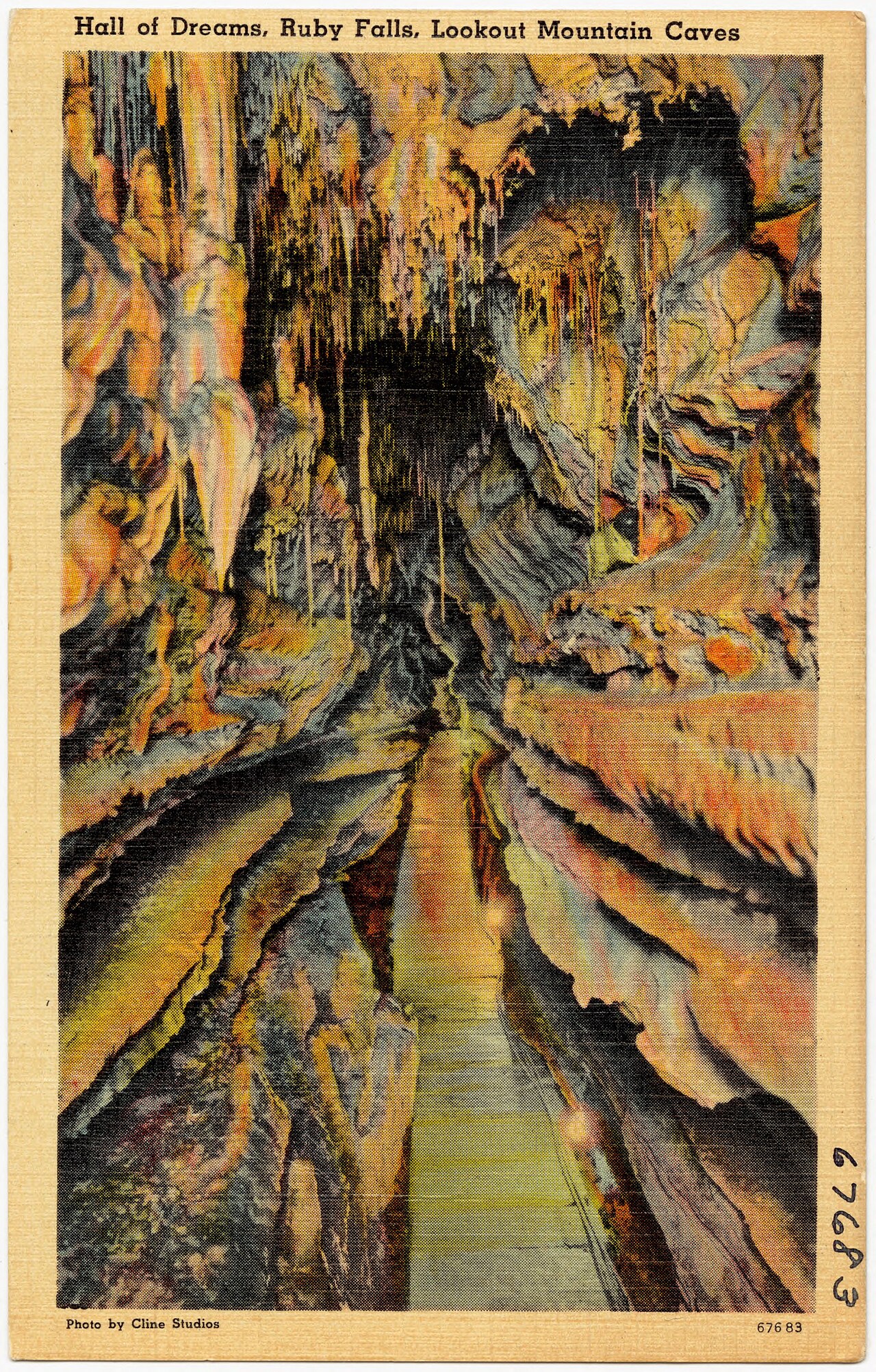
Spring is when caves with flowing water run strongest. Cave streams and waterfalls swell with snowmelt and rain, so places like Ruby Falls, Blanchard Springs Caverns and the Lost Sea are at their most dramatic. Boat tours return to full operation in cave country as the weather warms. Spring is also the season of school field trips and spring-break families, so weekday mornings are the smart choice. Wildflower drives make good companions in Texas, Tennessee and the Ozarks, and the Caverns of Sonora and Natural Bridge Caverns sit in Hill Country that is at its greenest from March into May.
Summer: the great escape
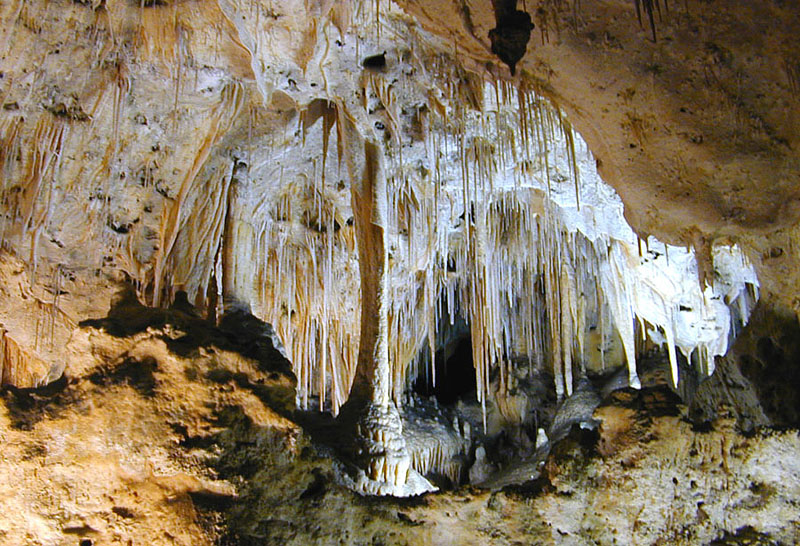
In summer the surface is hot and the underground is a refuge. Most caves in the Midwest, East and South stay in the 50s Fahrenheit, which feels like air conditioning after a July afternoon. Southwestern caves such as Colossal Cave, Kartchner Caverns and the Caverns of Sonora run warmer, but still far milder than the desert outside. Summer is also bat season at Carlsbad Caverns, where the evening flight from the Natural Entrance is a signature experience and tickets and programs follow the schedule posted by the park. The tradeoff is crowds: book timed tours early, travel on weekdays and choose first-slot departures. Mountain caves like Timpanogos Cave and Oregon Caves are in their main season, and the higher trails are open.
Fall: color, quiet and the best driving
Fall may be the best time for a cave road trip. Leaves turn along the Shenandoah Valley, the Ozarks and the Appalachian corridor, so a morning on Skyline Drive can be followed by an afternoon in Skyline Caverns or Luray Caverns. Crowds thin after Labor Day, except on peak foliage weekends, when popular caves in Virginia and Pennsylvania fill up. Boat tours at Penn's Cave and Howe Caverns are lovely under autumn skies, and seasonal lantern tours and Halloween programs add a playful twist at several properties. Check closing dates: some mountain monuments and smaller caves wind down their tour calendars in October.
Winter: the quiet season
Winter is the cave lover's secret. Lines shrink, parking is easy and guides have more time to talk. The warm-feeling cave air is a pleasant contrast to cold surface weather, and desert caves like Colossal Cave and Kartchner Caverns hit their peak comfort in the Southwest winter. The downsides are shorter days, reduced tour schedules and some seasonal closures: certain water-based tours, mountain roads and monuments may be closed or limited from late fall through early spring. Bats hibernate in many caves in winter, and some caves restrict access to protect them, so check the calendar before you drive. Always confirm hours, since snow can close mountain roads quickly.
Bat seasons, in brief
Bats shape the calendar at several properties. Summer maternity colonies mean certain sections may be closed to protect pups, and hibernation in winter can close others. Where bat flights are a feature, they happen at dusk in the warm months, and visitors are asked to stay quiet and avoid flash photography. Following the rules matters, because bats in North America have been hit hard by white-nose syndrome, and cave operators take screening of clothing and gear seriously.
Matching the cave to the month
If you want a single rule, use this one. Choose water caves in spring, desert caves in winter, big-name national park caves in shoulder seasons, mountain caves in summer, and foliage-linked East Coast caves in October. In March and April, aim for Ruby Falls, the Lost Sea and Blanchard Springs. In June through August, aim for Carlsbad's bat flight, Glenwood Caverns' mountain setting and the cool relief of Mammoth Cave. In October, aim for Luray, Skyline and Penn's Cave. In January and February, aim for Colossal Cave, Kartchner and the Caverns of Sonora.
Practical planning tips
Whatever the season, the following rules hold. Book timed tickets when your dates are firm, especially at national parks that use reservation systems. Pack a light jacket, even in summer, and closed shoes with good grip. Allow extra time for mountain drives in spring and fall, when weather can change quickly. And keep your plans flexible: a cave is the ideal backup for a rainy day, and a good plan includes both a surface activity and an underground one so you can swap them when the forecast shifts.