Český Krumlov is a good place to eat if you know what to order and where to look. The food is hearty Bohemian cooking, the beer is local, and the setting, in cellars, riverside terraces and old courtyards, adds to the pleasure. Prices on the main square and around the castle are higher than on side streets, so a little planning makes the meals better and cheaper.
Start with the beer
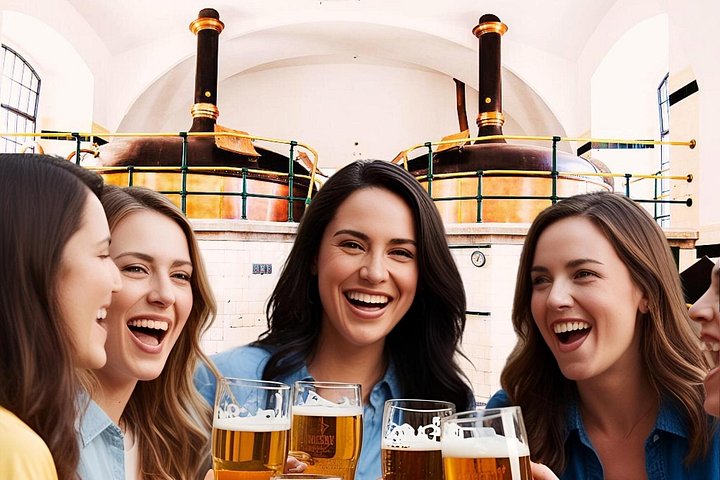
The historic brewery stands on the bank of the Vltava in the Latrán quarter and has brewed on the site since the 13th century. It makes lighter and stronger lagers, a smoked dark lager, seasonal specials including strong Christmas beers, and some top-fermented ales. A brewery tour ends with a tasting and a pivnice, or beer hall, serves Czech food in a former ice store. Beer in Bohemia is usually a pale lager poured with a thick head, and a half-litre glass is the standard measure. If you are not sure what to choose, ask for a recommendation, and try a dark lager with a heavy dish.
What to order
The classics are svíčková, beef sirloin in a creamy vegetable sauce with bread dumplings, and roast pork with dumplings and sauerkraut. Goulash with dumplings is a safe winter choice, and fried cheese with tartare sauce is the vegetarian standby. Soups, such as garlic soup served in a bread bowl or a hearty potato soup, are good value starters. Freshwater fish from South Bohemian ponds, especially carp and trout, appear on menus, and the carp tradition is strongest at Christmas. Save room for fruit dumplings, pancakes with cream or a slice of cake, and try the sweet pastry that is baked over a spit and sold from stalls, although locals will tell you it is more tourist than tradition.
Wine and spirits
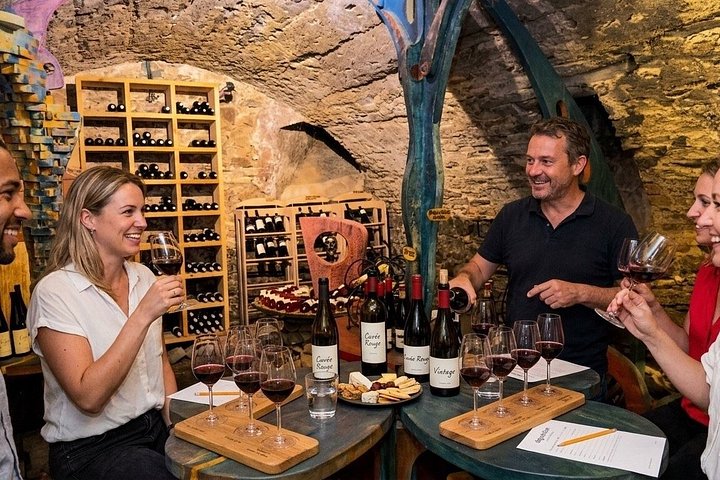
Czechia produces wine mostly in Moravia, and white wines such as Riesling and Veltliner and fruity reds suit the local cooking. A wine tasting in the Old Town, such as one that pairs a visit to the Egon Schiele Art Centrum with Czech and Moravian wines and a cheese platter, is a pleasant afternoon. Herbal liqueurs and fruit brandies are offered as digestifs, and a small glass after a heavy meal is a local habit. If you prefer soft drinks, tap water is safe and often free on request in cafes.
Where to look
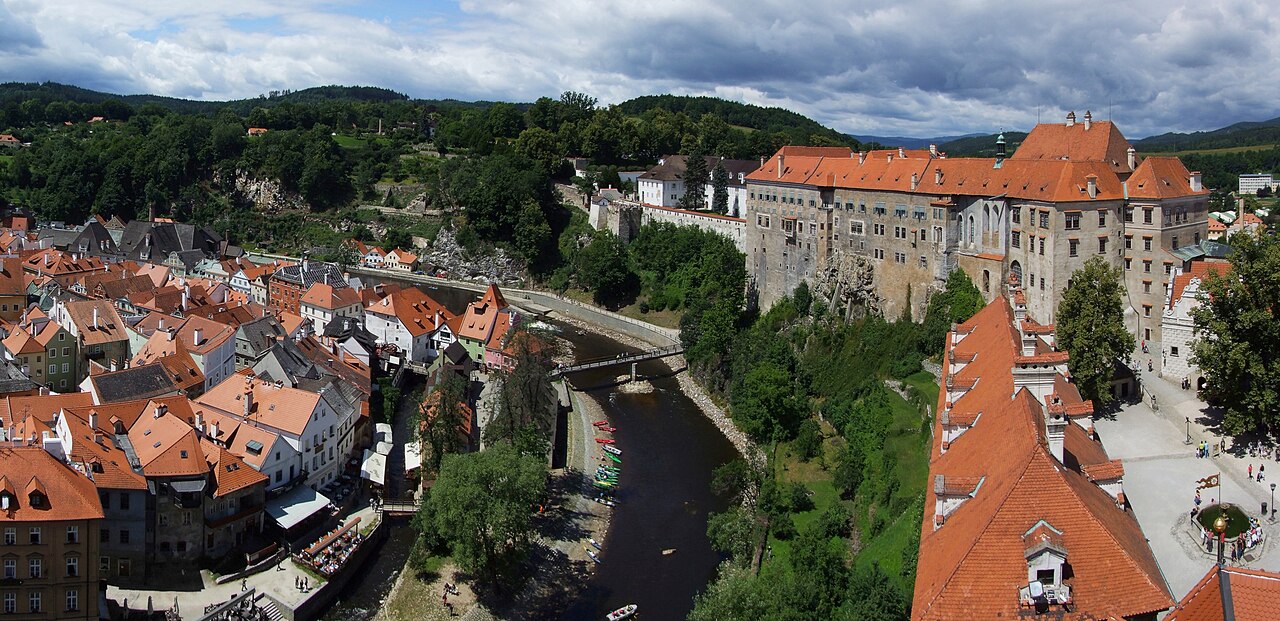
The most atmospheric pubs and restaurants sit in the lanes of the Inner Town and on the banks of the river. Terraces on the water have views of the castle tower and are best on a warm evening, while cellar restaurants with stone vaults suit winter. A riverside mill restaurant and other traditional addresses are within a minute or two of the Egon Schiele Art Centrum. As a rule, move a street or two away from the main square for better value, check whether the menu has a daily lunch special and ask about the price of a half-litre before you order.
Practical tips
Many kitchens close earlier than visitors expect, especially in winter, so plan to sit down by about eight in the evening. In summer and at Advent weekends, book a table ahead. Tipping of around ten percent is normal if service was good, and it is polite to round up the bill when paying by card. Vegetarian and vegan dishes are easier to find than a decade ago, but they are not always prominent on traditional menus, so ask. Some places add a cover charge for bread or a table, so check the menu. Breakfast is often included at hotels, and a few cafes serve brunch at weekends.
A simple food plan
Take a morning coffee and a pastry near the river, lunch on a daily menu in a side street, an afternoon brewery tour with a tasting, and dinner in a pub or a cellar with a traditional main and a dark lager. On a second evening, try a wine tasting and a lighter meal. For a hands-on experience, consider a guided food tour that samples several local dishes, which helps with the menu vocabulary and gives you a list of places to return to.