The Charleston Museum holds the national title — founded 1773, America's first museum — and earns the modern visit as the Lowcountry's organized attic: galleries running the region's whole arc with the real objects in the cases. The sweep covers natural history (the whale skeletons overhead, fossils from the state's rivers including the giant prehistoric shark jaws kids orbit), the Lowcountry story from native nations through the colonial port (pirate-era artifacts, the rice-economy's tools and the enslaved labor behind them told plainly), the Revolution and the Civil War at object level — including the museum's long stewardship of the H.L. Hunley story, with artifacts and the full narrative of the Confederate submarine's 1864 attack and 2000 recovery — through the earthquake, Jim Crow, the Renaissance, and Hugo. The textile and silver collections are quietly nationally ranked; the Discover Me room is a genuine hands-on kids' space (not an afterthought), and the museum runs two historic houses nearby — the Heyward-Washington House (where Washington lodged in 1791, with its celebrated Charleston-made furniture) and the Joseph Manigault House (Adam-style 1803 elegance) — on combination tickets that make it a campus. The practical read: 90 minutes to two hours in reliable air conditioning across from the visitor center's parking, the single best rainy-day and context stop in the city, and the right first museum for families — the Gibbes tells Charleston's art story; this one tells everything else.
The founding pedigree is real
The Charleston Library Society's 1773 museum predates the republic, collected through the city's scientific-society era (Audubon collaborated; the natural-history holdings go deep), and survived war, earthquake, and relocation into its modern Meeting Street building — the collection carrying the accumulation: 2.4 million objects of which the galleries show the curated spine. The case-level highlights reward slow walking: the colonial and pirate-era material (Blackbeard's blockade told with period weapons), the Revolutionary galleries' uniforms and swords, the rice-and-indigo economy's tools alongside the shackles and badges that document the enslaved labor running it (the museum's slave-badge collection is the country's most significant — small tin tags that condense the system's bureaucratic horror), Civil War Charleston at street level, and the Hunley narrative the museum stewarded for a century before the submarine's recovery.
The family engineering works
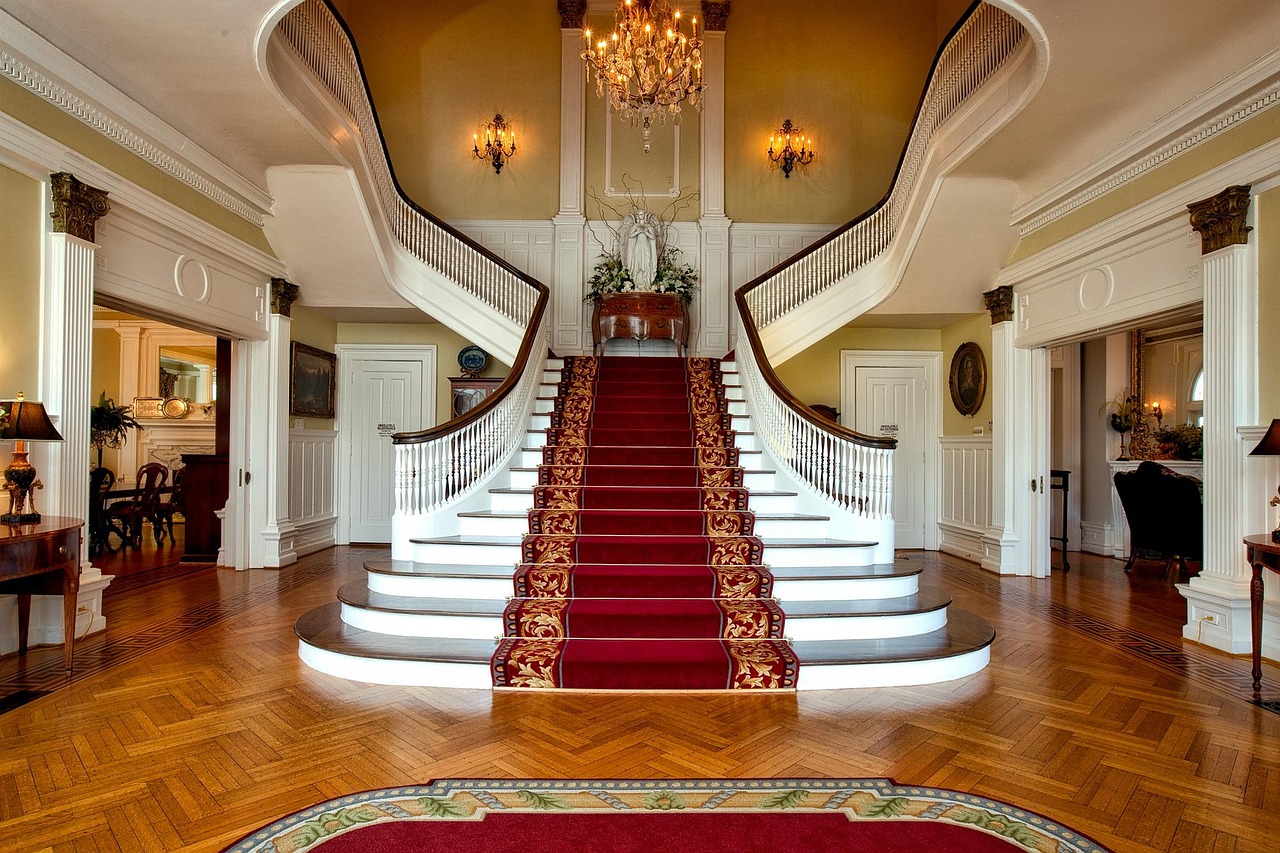
Whale skeletons and the shark jaws up front, the Discover Me room's costumes and hands-on stations mid-visit, and gallery pacing that lets a seven-year-old and a historian leave equally fed. The two satellite houses extend the ticket: the Heyward-Washington House (1772, the Declaration signer's home where Washington stayed, holding the Holmes bookcase — American furniture's masterpiece) and the Joseph Manigault House (1803 Adam-style, the gentry's other mode), both short hops, both combo-ticketed, together turning the museum into a half-day campus.
Practicals and fit
Meeting Street at the visitor-center block (the district's easiest parking), 90-120 minutes for the main building, combo tickets for the houses, strong air conditioning and stroller ease — the city's best heat-or-rain valve with actual depth. Fit: families first (the one museum built for them), context-hungry first-timers (do it early; the galleries glossary the whole trip), and collectors of superlatives — America's first museum, holding the Lowcountry's memory since before there was a country to remember it.
What to expect
The experience
America's first museum — whale skeletons to Hunley narrative, pirate artifacts to the slave-badge collection — with a real hands-on kids' room and two combo-ticket historic houses nearby.
Best time
Early in the trip for context, or any heat-and-rain window; weekday mornings run school groups, weekends run calm.
How long
Ninety minutes to two hours; a half-day with the houses.
Tips
The slave-badge cases are the collection's most important objects — give them time. Combo-ticket the Heyward-Washington House for the Washington-slept-here original. Parking at the visitor center across the street.
Quick picks
- Best for
- Families and context-hungry first-timers — the museum that glossaries the whole trip.
- Families
- Whale bones, shark jaws, and the Discover Me room — engineered for mixed-age stamina.
- Couples
- The textile and silver collections plus the Manigault House make the connoisseur circuit.
- Pair with
- Aiken-Rhett House three blocks over for the Wraggborough museum morning.
- Time needed
- A reliable half-day valve, weather-proof.
Good questions
Is it really America's first museum?+
Founded 1773 by the Charleston Library Society — predating the republic — and collecting ever since: 2.4 million objects with the curated spine on display.
What is the Hunley connection?+
The museum stewarded the Confederate submarine's story for a century before the 2000 recovery; its galleries tell the 1864 attack and the archaeology, with the conserved sub itself at a separate North Charleston lab open weekends.
What are the slave badges?+
Tin license tags enslaved workers hired out in the city were forced to wear — the country's most significant collection of them, and the galleries' most quietly devastating cases.
Which satellite house should we add?+
The Heyward-Washington House for the signer's home, Washington's 1791 lodging, and the Holmes bookcase; the Manigault for Adam-style elegance — combo tickets cover either or both.
How kid-friendly is it?+
The city's best — whale skeletons, shark jaws, and the genuinely hands-on Discover Me room pace the galleries for mixed ages.