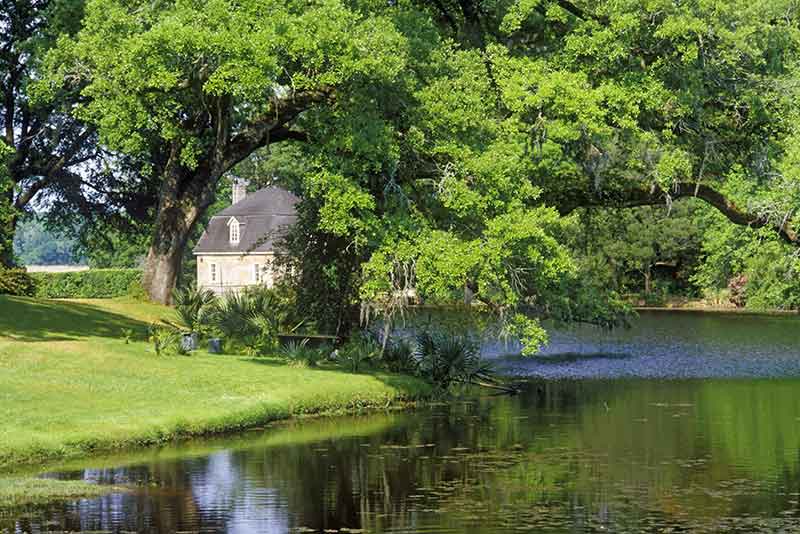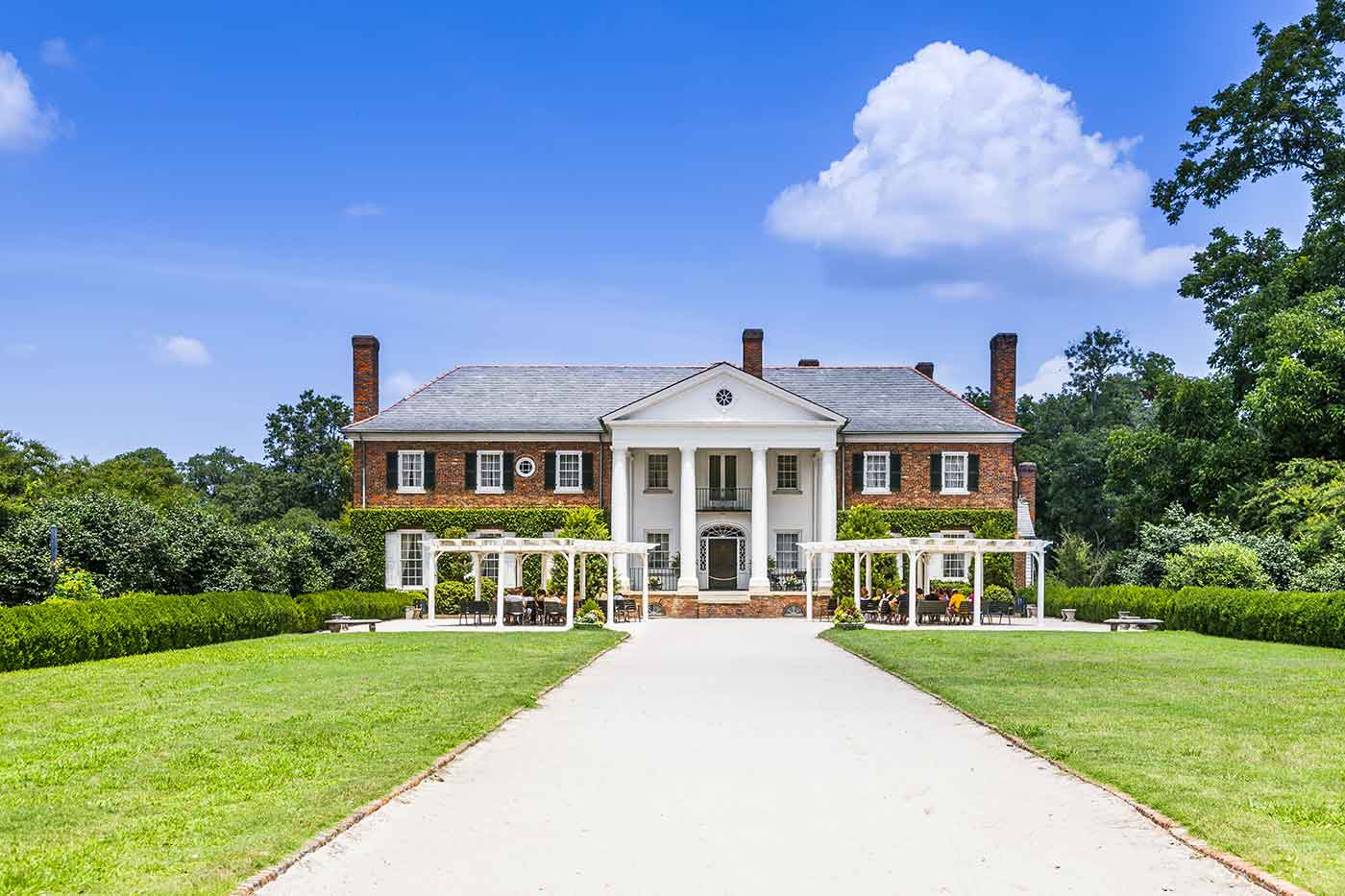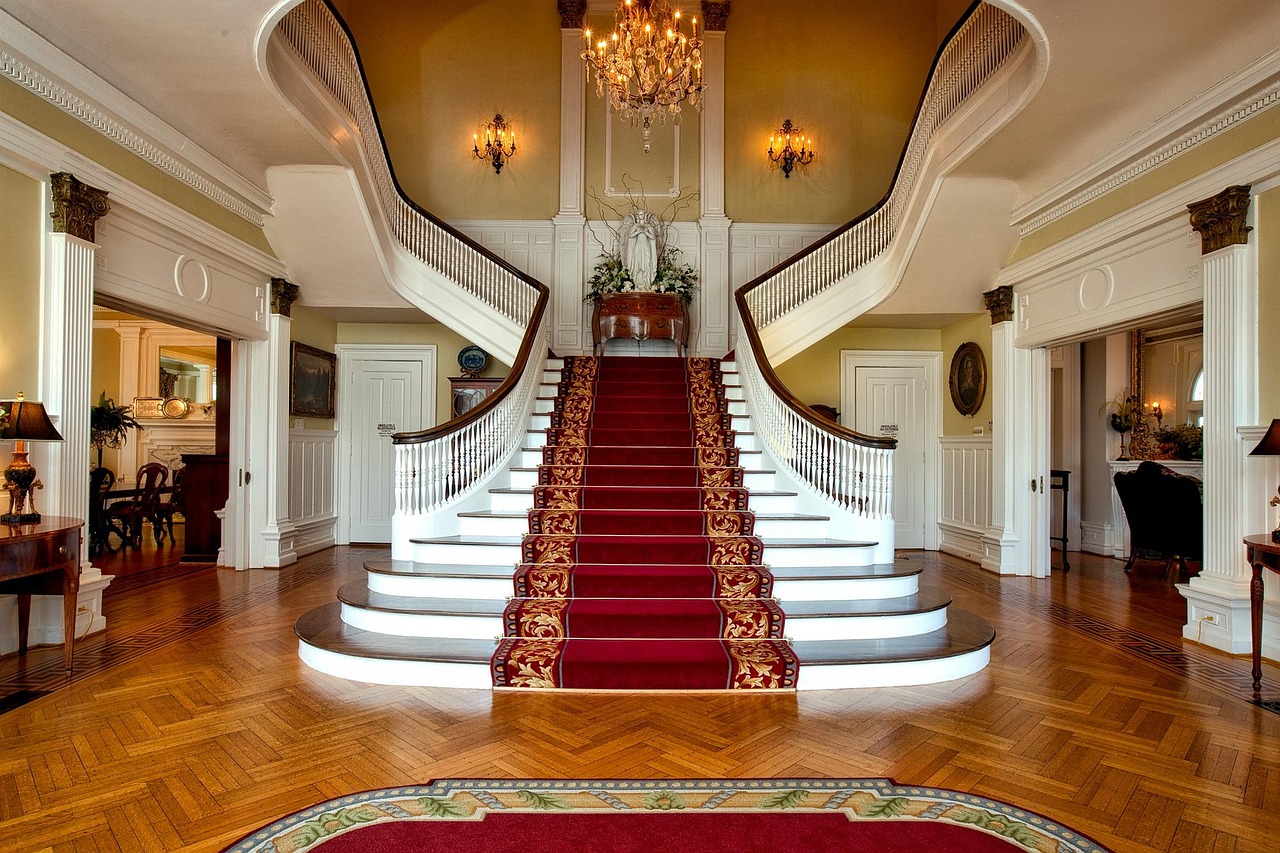
The Aiken-Rhett House is Charleston's most haunting daylight experience and the Nathaniel Russell's deliberate opposite: the 1820 mansion (expanded to grandeur by Governor William Aiken Jr. in the 1830s-50s) that stayed in one family's hands for 142 years and is now conserved "as found" — preserved, not restored — so the double parlors hold their original 1858 wallpaper fading on the walls, the chandeliers hang where they were first wired for gas, the art gallery keeps the paintings the Aikens bought in Europe exactly where they hung them, and every room reads as a place where time pooled rather than a set rebuilt. The self-guided audio tour (excellent — unhurried, honest, room-keyed) frees you to linger, and the property's unmatched significance is out back: the work yard and slave quarters — kitchen house, laundry, stables, and the quarters' upstairs rooms — survive as the most intact urban slave dwellings in the South, unrestored and unfurnished, their original paint and graffiti conserved, interpreted by name (the Historic Charleston Foundation's research identifies the enslaved residents and their work) with a gravity restored showplaces cannot reach. An hour to ninety minutes; the combination ticket with the Nathaniel Russell House is the city's essential museum pairing — restoration's argument and preservation's in one afternoon — and of the two, this is the one visitors report thinking about for years.
The preservation philosophy is the attraction: when the Charleston Museum (later the Historic Charleston Foundation) took the house from Aiken descendants in the 1970s, enough original fabric survived — wallpaper, paint, textiles, the family's own furniture and art in situ — that restoration would have destroyed more history than it recovered, so the stewards chose conservation: stabilize everything, restore nothing, and let the house be a document. Walking it lands differently than any restored mansion — the parlors' crimson paper fading into watermarks, the ballroom's scagliola and gilt dimmed to memory, the art gallery (a private purpose-built picture gallery, rare in America) holding the Grand Tour canvases the Aikens shipped home in the 1850s — and the honesty compounds: nothing is staged, so everything is evidence.
The back lot carries the deeper weight: Charleston's townhouse compounds were urban plantations — the main house fronting the street, the work yard behind running on enslaved labor — and the Aiken-Rhett's is the most complete surviving example anywhere: the kitchen house with its cooking hearths and upstairs quarters, laundry, carriage block and stables, the yard's original paving — unrestored, unfurnished, and interpreted with the Foundation's documentary research naming residents and roles. The audio tour gives the quarters equal time and plain language, and standing in those rooms — original limewash, original floors — is the city's most direct confrontation with what built the parlors out front.
Practicals and fit
Elizabeth Street in Wraggborough (a few blocks north of the Market — pleasant walk or short ride), self-guided audio at your own pace (60-90 minutes), the Nathaniel Russell combo ticket as the strategic buy, and light crowds even in season — the as-found aesthetic self-selects for travelers who want depth. Fit: anyone who found the restored houses beautiful but too polished to believe; photographers (the faded layers are irresistible, and photography policies are friendly); and every visitor trying to hold Charleston's beauty and its history in one frame — this house does it in one address.
What to expect
The experience
A self-guided audio tour through the unrestored 1820 mansion — original wallpaper, in-situ art, the private picture gallery — and the South's most intact urban work yard and slave quarters behind.
Best time
Any season; crowds stay light. Pair with the Nathaniel Russell combo ticket for the restored-versus-preserved afternoon.
How long
Sixty to ninety unhurried minutes.
Tips
Give the back lot equal time — the quarters are the point, not an appendix. The audio tour rewards lingering; nothing is staged, so everything is evidence. Photographers: the faded parlors are the city's best interiors.
Quick picks
- Best for
- Travelers who found the restored mansions too polished to believe — this one is a document.
- Families
- Older kids and teens engage with the audio-tour honesty; the preservation idea lands well explained.
- Couples
- The quiet, uncrowded ninety minutes that becomes the trip's most-discussed stop.
- Pair with
- Nathaniel Russell House by combo ticket — restoration's argument and preservation's, one afternoon.
- Time needed
- One deep slot; it echoes afterward.
Good questions
What does preserved-as-found mean?+
Stabilized, never restored — the 1858 wallpaper fades in place, the family's art hangs where they left it, and the house reads as a document rather than a recreation.
Why do the slave quarters matter so much?+
They are the most intact urban slave dwellings in the South — original rooms, paint, and paving, interpreted by name — making the whole estate's truth visible in one back lot.
How does it differ from the Nathaniel Russell House?+
Russell is restoration at museum perfection; Aiken-Rhett is preservation untouched. The combo ticket pairs them deliberately — Charleston's essential museum afternoon.
Is the tour guided?+
Self-guided audio, room-keyed and excellent — linger where you want; sixty to ninety minutes covers house and yard with time to stand still.
Where is it?+
Elizabeth Street in Wraggborough, a few blocks north of the Market — an easy walk, with the Charleston Museum nearby for a paired morning.