Prince Edward Island eats from its own farms and fishing boats, and that is the idea behind almost every good meal here. Potatoes, grain, dairy, berries and vegetables come from the red-soil fields that cover most of the island, and the cold water of the Northumberland Strait and the Gulf of St Lawrence supplies mussels, oysters, lobster and other seafood. Charlottetown, the capital, is small enough that you can eat well without a plan, but a little structure helps you taste more in a short stay.
Start with seafood
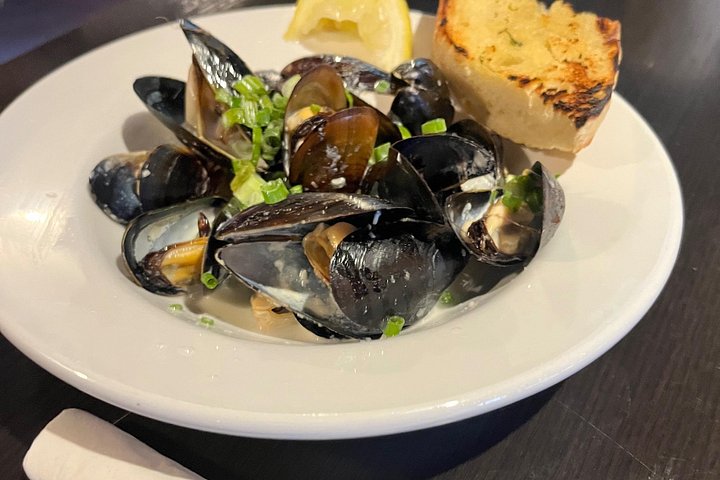
Mussels, oysters and lobster are the island's calling cards, and the capital's waterfront restaurants are the easiest place to meet them. Order the shellfish that is in front of you rather than hunting for a famous name: a bowl of mussels or a plate of oysters in a harbour town is the local lunch. Lobster is the celebratory choice. The fishing seasons run by area and are regulated, so the shellfish on a menu is at its freshest in the warm months, and a restaurant will tell you what is in season if you ask. If you want the full lobster experience, ask your hotel or the visitor information team about the community lobster suppers that run in summer, and check their dates before you drive out, because most are seasonal and run by local halls and churches.
Taste the town on foot
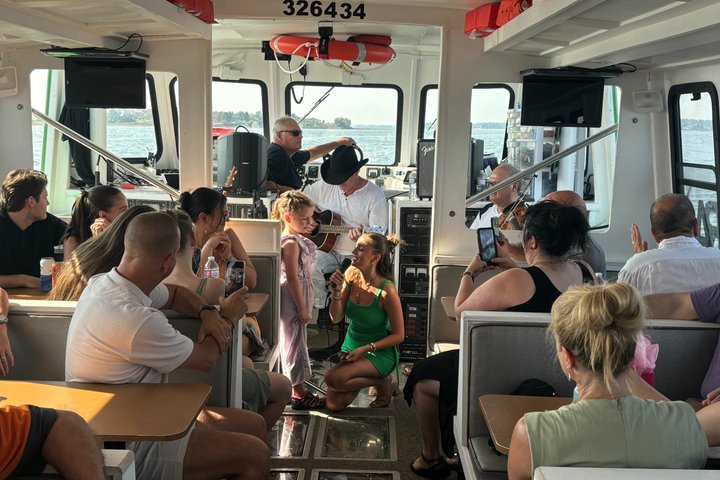
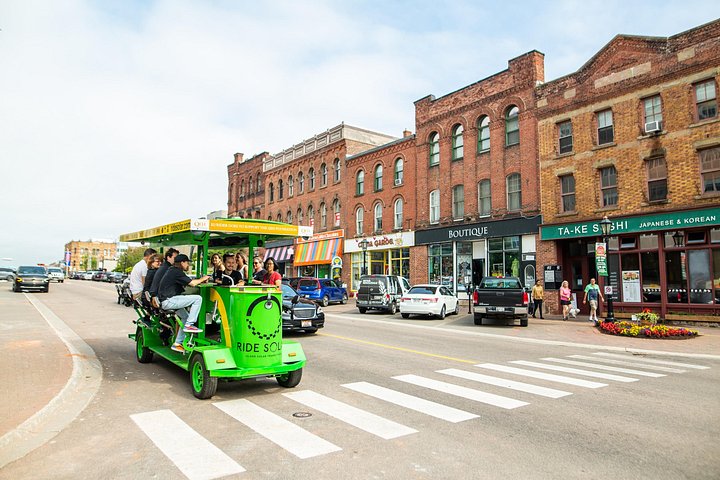
The Charlottetown Food Walking Tour is the most efficient introduction. It is a guided tasting walk through the downtown core that samples island seafood, produce and local makers in a single outing, so you learn who is producing what before you choose where to sit down for dinner. Book it early in your stay and tell the operator about allergies in advance, since the tour leans on seafood. For a more playful take, the Waterfront Solar PartyBike Food and Drink Experience pairs a pedal-powered ride with food and drink stops, and the Solar Harbour Cruise with Live Music offers an optional lunch or dinner on the water.
Go to the market
The Charlottetown Farmers Market is the best look at the island's produce, baking, preserves and prepared food, and it is free to walk through. It opens on Saturday mornings all year, with Wednesday hours added in summer, so it is one of the few food experiences that works in every season. Arrive hungry, carry a bag and a little cash as a backup, and talk to the stallholders, who know what is in season. The market has operated from a temporary address, so confirm where it is before you set out. Edible souvenirs travel well: preserves, baking and local products survive a flight better than most gifts.
Make a day of the south shore
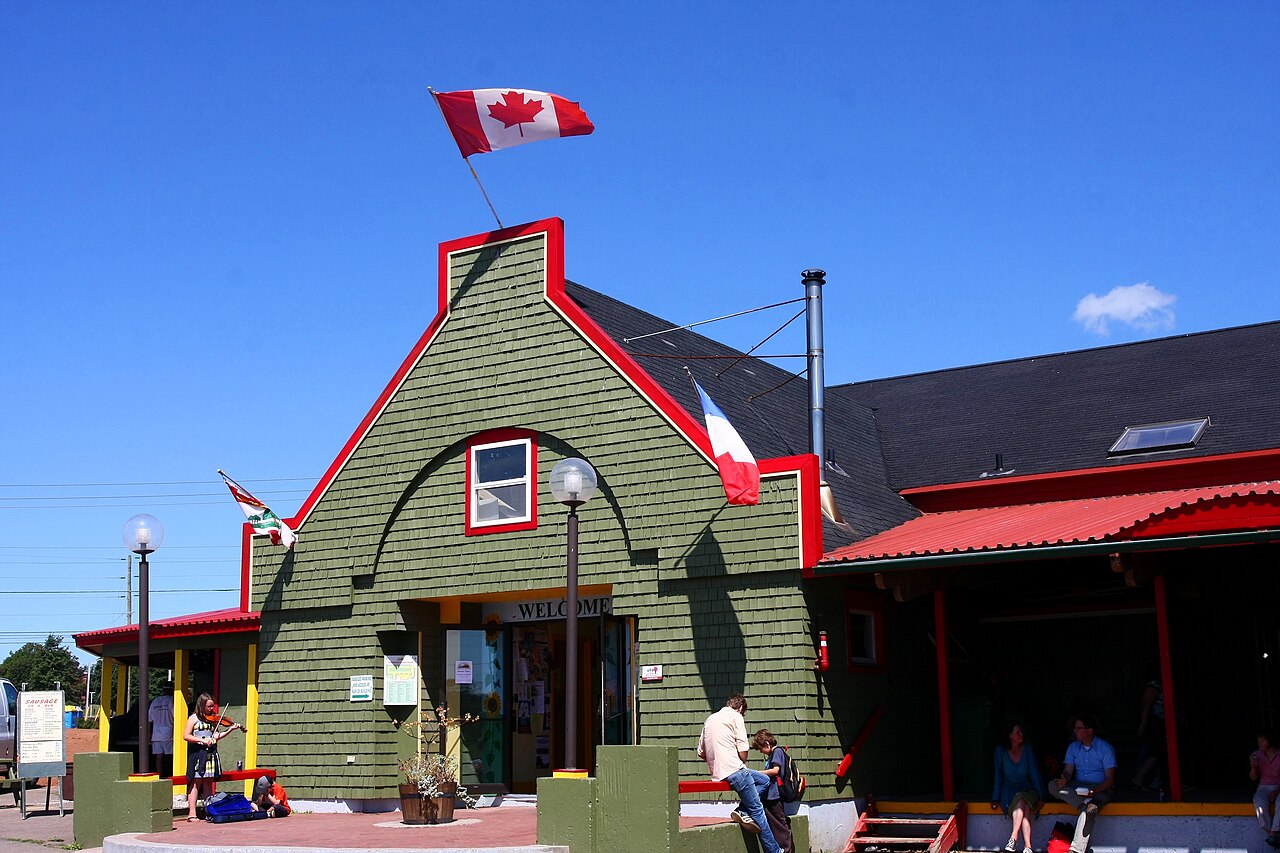
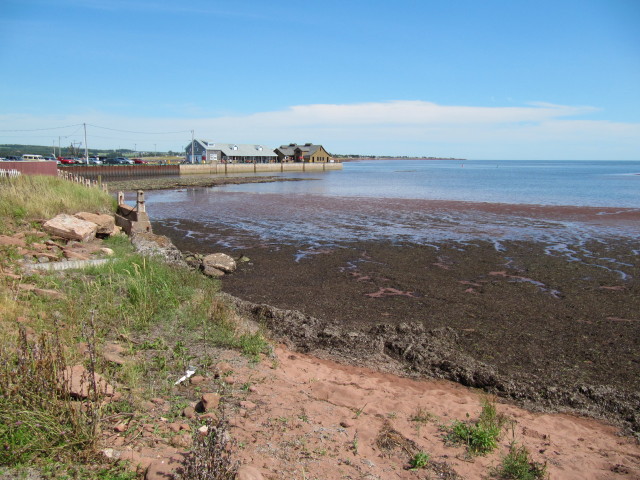
Victoria by the Sea is a tiny village that packs a chocolate shop, artisan studios, a playhouse, a red-sand beach and several places to eat into a few lanes. It is a good lunch stop on a drive that also takes in Point Prim Lighthouse and the Skmaqn-Port-la-Joye-Fort Amherst National Historic Site. Many businesses in the village follow the visitor season, so treat it as a summer and early autumn plan and phone ahead for any venue you care about. On the east shore, the drive toward Basin Head passes through fishing communities where a simple fish-and-chips stop is part of the pleasure.
Drinking
The island has a growing craft scene, with breweries, cider makers and distilleries scattered through town and countryside, and local beer and cider are easy to find on menus. The Charlottetown walking and food experiences often point you toward them. If you are driving, remember that distances on the island are short but the roads are rural and the evenings dark, so choose a designated driver or take a tour with pick-up. Canada has strict drink-driving laws, and rural roads add wildlife to the risk.
What to expect at the table
Prices are in Canadian dollars, and a sales tax is added at the till, so menu prices are not the final figure. Tipping is customary in sit-down restaurants, and servers expect a tip in the range common across Canada, generally 15 to 20 percent, so check whether the bill already includes service before you add one. Many places are small, and in July and August the popular waterfront tables fill early, so book dinner a few days ahead and try for a mid-week evening if you can. Outside summer, some restaurants outside the capital keep shorter hours or close for the winter, and an off-season trip is best built around Charlottetown itself.
A simple food plan
Spend the first evening on a waterfront dinner of mussels or oysters. Use the next morning for the market on a Saturday, or the food walking tour on other days. Spend a day on the south shore with lunch in Victoria, then return for a lobster dinner on your last night. Pair the meals with sights that fit the same mood: the Confederation Centre of the Arts for a rainy afternoon and an evening show in the theatre season, or the harbour cruise to see the same waterfront from the water. Together these give you a sense of the island as a working landscape rather than a postcard, which is the real flavour of PEI.