Baan Tawai is a village south of Chiang Mai that has been carving wood for generations, and it is now a sprawling craft district of workshops, showrooms and open-air stalls. Here you can watch carvers shape teak and other woods into elephants, furniture, bowls and temple panels, and browse everything from tiny souvenirs to large statues. A guided tour links the village with a nearby Lanna-style temple, so you see both the artistry and the religious tradition it grew from. It is a good half day for shoppers, craft lovers and anyone who wants to see how local things are made.
The village sits along a main road lined with long shopfronts, and behind many of them are working studios. Carving is the heart of the trade, but you also find lacquerware, silver, pottery, textiles, paper and home decor. Guides can explain the different woods, the carving techniques and how to tell hand work from mass-produced pieces, which is valuable because styles and quality vary widely. You can watch a carver at work, ask questions and compare prices between workshops.
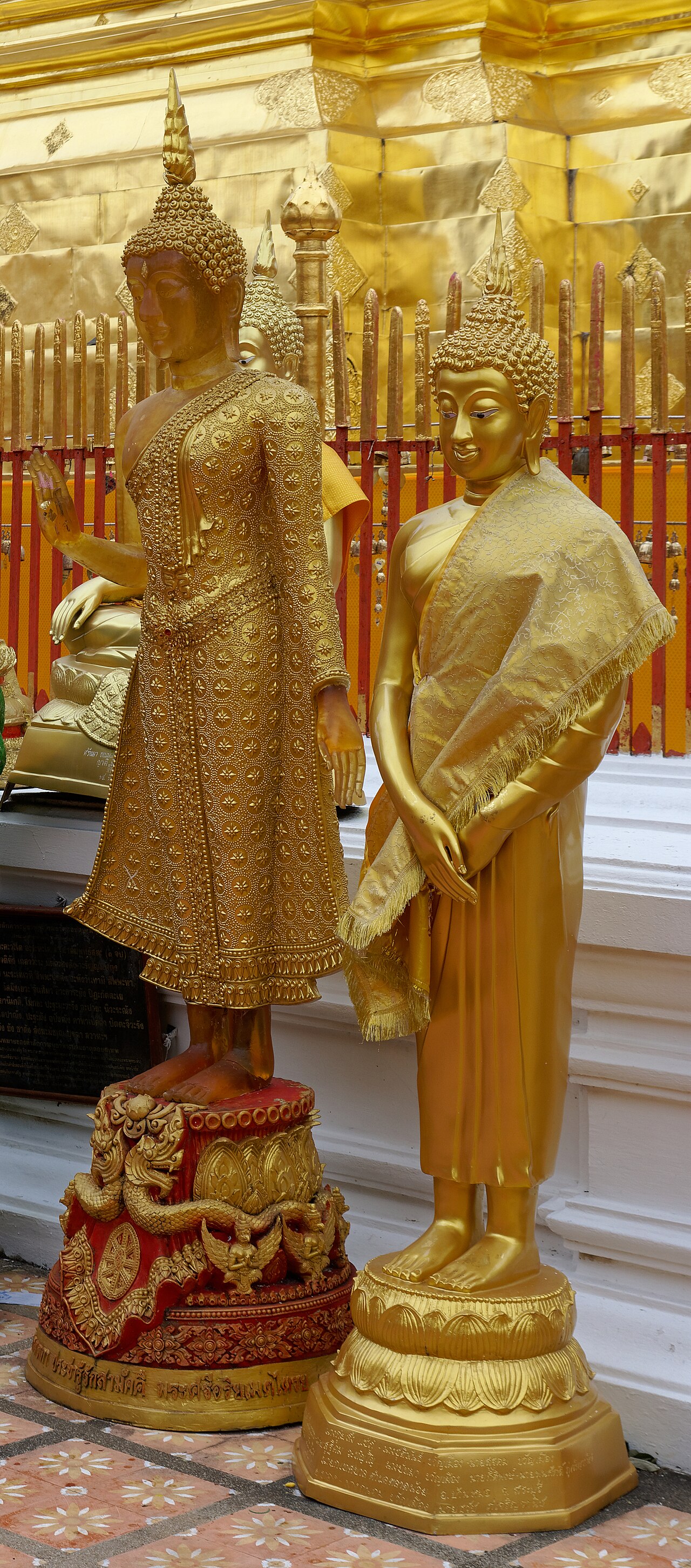
The temple stop adds a cultural counterpoint. Lanna temples are known for their carved wooden gables, layered roofs and gilded details, and seeing one after the workshops helps you understand where the motifs come from. Guides often point out the guardian figures, the naga stairways and the symbolism of the painted murals. Dress modestly, cover your shoulders and knees, and remove your shoes before entering the main hall.
Shopping here rewards patience. Prices are often negotiable, so take your time, ask about shipping for large items and check whether pieces are solid wood or veneer. Many shops will pack and ship furniture or carvings overseas, although this adds cost and takes weeks, so confirm the details in writing. Keep in mind customs rules about wood and animal products when you plan your purchases, and avoid anything that looks like ivory or protected material.
Practical advice
Go in the morning, when it is cooler and the workshops are busy, and wear comfortable shoes for the long walkways. Carry cash for small purchases, since not every stall takes cards. Bring a bottle of water and sun protection, and leave space in your luggage. Some tours add a lunch or a cafe stop, so check the itinerary when you book.
A few practical tips make shopping easier. Compare several shops before buying, ask to see the underside of furniture to check the joinery, and look for solid wood rather than composite board. For fragile items, ask the shop to wrap them securely, and keep the receipt for customs. If you are not buying large pieces, small carved spoons, boxes, painted fans and woven baskets are easy to carry and make good gifts. A morning visit also lets you watch craftspeople at their busiest, before the heat of the afternoon slows the pace.
Baan Tawai pairs well with a spa afternoon or an evening at the Night Bazaar, and it fits neatly between a morning temple walk and a late lunch. If you enjoy hands-on experiences, you may also like a woodcarving or weaving workshop, which gives you a better feel for how much skill goes into these objects.
What to expect
The experience
A guided half day to the Baan Tawai woodcarving and craft village, with workshop visits and a Lanna temple stop.
Best time
Mornings, when workshops are active and the weather is cooler.
How long
Roughly four hours including transfers.
Tips
Wear modest clothes for the temple, carry cash, bargain politely and ask about shipping before buying large items.
Quick picks
- Best for
- Shoppers, craft lovers and curious first-timers.
- Families
- Fine for children, though the workshops are best for older ones.
- Couples
- A relaxed, browsing sort of morning.
- Pair with
- A spa afternoon or the Night Bazaar.
- Time needed
- A morning or afternoon, about four hours.
Good questions
Where is Baan Tawai?+
It is in Hang Dong district, south of the old city, about a half hour away by road.
What is it known for?+
Woodcarving, furniture, lacquerware and a wide range of handmade crafts.
Can I ship large items home?+
Many shops arrange shipping. Confirm costs and timing in writing.
Is bargaining expected?+
Often yes, but be polite and fair.
What should I wear?+
Comfortable shoes, and clothing that covers shoulders and knees for the temple.