Chiang Mai is the easiest city in northern Thailand to fall for. The old city is compact and walkable inside its moat, the temples are lovely and unhurried, the food is among the best in the country and the mountains begin at the edge of town. A first visit works best in three to five days: one for the old city, one for a mountain day trip, one for an elephant sanctuary or Chiang Rai, and the rest for markets, food and a slower pace.
What to book ahead
Most things can be booked a day or two ahead, but a few are worth reserving early. The first is the Doi Inthanon day tour, which runs about eight hours with lunch and transfers. The second is the Chiang Rai day trip to the White Temple, about eleven hours, so you need an early start. Third is a no-riding elephant sanctuary visit, where the half-day format fits easily around other plans. Fourth is a cooking class, which is the most reviewed activity in the city. Finally, in late November, book hotels and lantern-festival tickets early.
Loy Krathong and Yi Peng, November 2026
The lantern festivals fall on the full moon of the twelfth lunar month. In 2026 that is 24 to 25 November, with sources differing by a day on the main night, so confirm the schedule locally. Loy Krathong is when people float small decorated baskets, called krathongs, on rivers, and in Chiang Mai the Yi Peng lanterns are released into the night sky. Official sources say sky lantern releases are limited to specific nights, and some organised events are ticketed, so buy only through official channels and expect riverside areas to be crowded.
Getting around
The old city is walkable, but the heat makes bicycles, red songthaew trucks, tuk-tuks and ride-hailing cars useful. Songthaews are shared and cheap, so agree the price before you climb in. Ride-hailing cars are the easiest for visitors, with fixed prices. Day trips to Doi Suthep, Doi Inthanon and Chiang Rai are best done on guided tours with hotel pick-up. If you hire a scooter, make sure you hold the right licence and insurance, and consider whether the traffic suits you.
When to go
The cool, dry season from November to February is the best time, with clear skies and comfortable days, though it is also the busiest. From roughly February to April, burning in the region can cause haze, and air quality can be poor. The rainy season, from about June to October, is green and quieter, with powerful waterfalls but some trail closures and afternoon downpours.
How the headline sights fit
Spend day one in the old city: the two-hour temples walk from Wat Chedi Luang to Wat Phra Singh, a long lunch and an evening at the Sunday Walking Street if it is Sunday, or the Night Bazaar otherwise. On day two, go up to Wat Phra That Doi Suthep, ideally at sunrise or at dusk, or spend the full day at Doi Inthanon. Day three could be the elephant sanctuary and a cooking class, and day four the White Temple in Chiang Rai. Day five is for the street food tour and anything you want to repeat.
Temple manners and practicalities
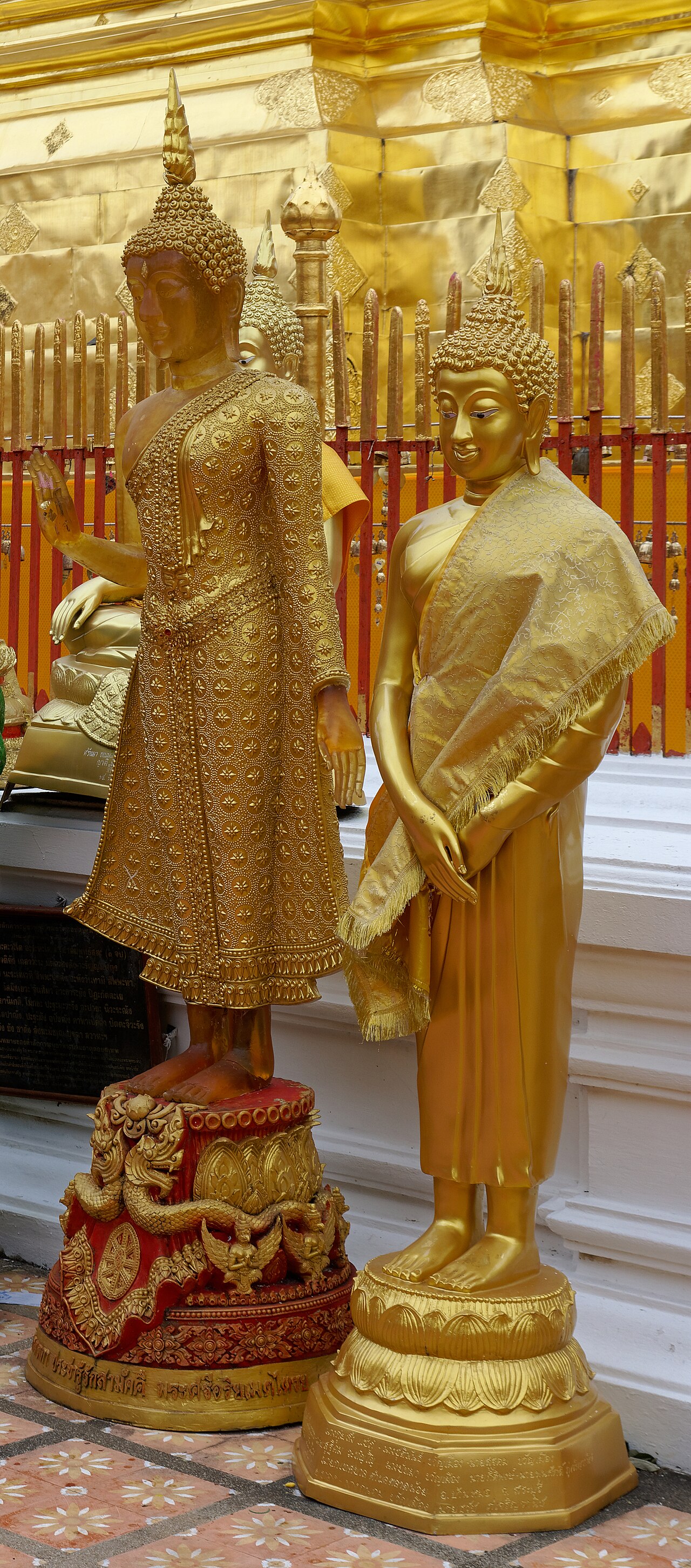
Cover shoulders and knees, take off your shoes before entering halls, never point your feet at Buddha images and do not touch monks. Carry small notes for temple fees and market stalls. Tap water is not for drinking, so use bottled or filtered water. The sun is strong at any time of year, so bring a hat and sunscreen, and a light layer for the mountains, where it can be cold.
Where to stay
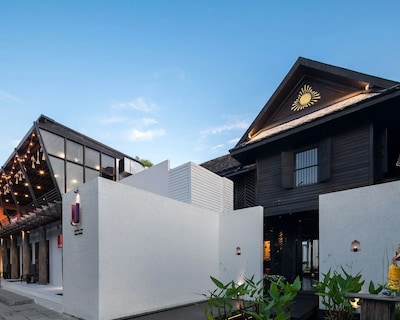
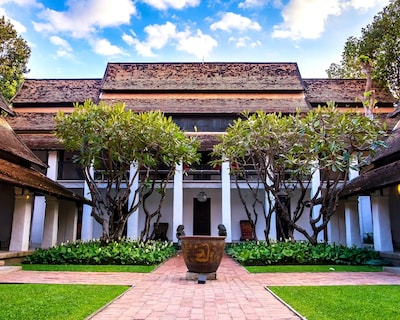
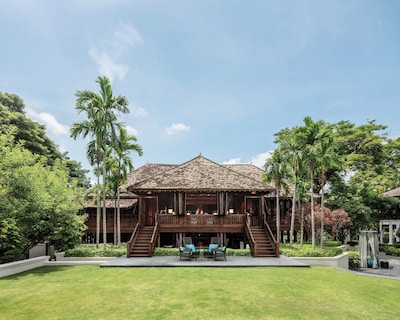
Old-city hotels such as Rachamankha, U Chiang Mai and At Chiang Mai Hotel put the temples and the Sunday Walking Street on your doorstep. Riverside hotels such as 137 Pillars House and Anantara Chiang Mai Resort suit evening market walks and a resort feel. Our where-to-stay guide compares them in detail.