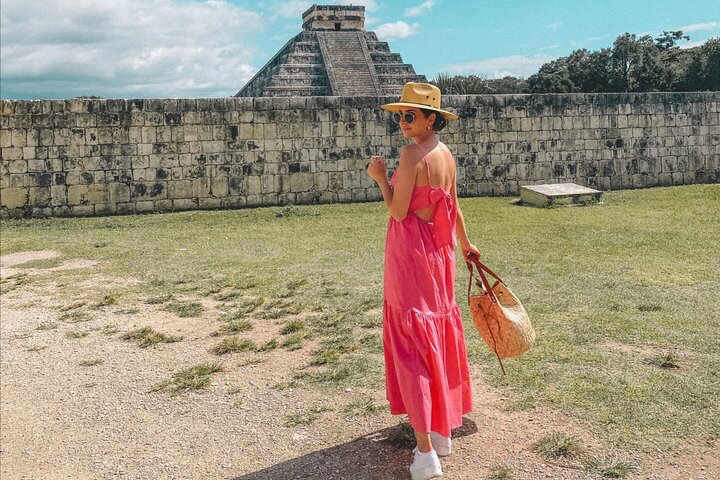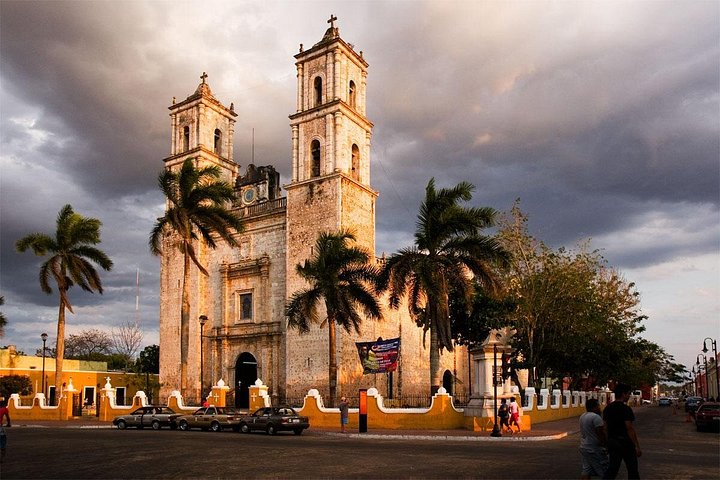
The Maya saw cenotes as doorways to Xibalba, the underworld, and as sources of fresh water and spiritual power in a landscape with almost no surface rivers. This visit sets out to explain exactly that in Valladolid, by combining a cenote with a museum space that tells the story of the Maya world below the ground. Rather than rushing in for a photograph and a swim, you spend time with the ideas: the sacred role of water, the rituals held in caves and sinkholes, and the way the geology of the peninsula shaped where people settled. It is a small, human-scale experience, and it makes a good companion to a visit to Chichén Itzá, where the Sacred Cenote is central to the city's story. Visitors who like museums, culture and quiet will find it a thoughtful change from the busier swimming spots on the main cenote road.
Understanding the underworld helps at every other site in the region. When you stand at the edge of the Sacred Cenote at Chichén Itzá or look down into the round opening at Ik Kil, you are looking at the same idea: a hole in the ground that connected the living world to the realm of the gods and the dead.
A visit that explains this in plain language, with objects and displays to look at, gives the other sights more meaning. It is also an easy visit for people who do not want a full day of walking.
The format is a guided visit with time in the museum and at the cenote itself. Because it is small, groups tend to be modest and the pace is gentle. Ask the operator in advance whether swimming is part of your visit, and bring swimwear and a towel in case it is, along with a change of dry clothes. Wear comfortable shoes that grip, since cenote steps are often damp, and bring a little cash for tips and any extras. Photography rules vary inside museum spaces, so follow your guide.
It works best in the middle of the day, when the larger cenotes are busy and hot, or in the evening if the operator runs a later visit. Treat it as a cultural stop rather than an adventure. It pairs well with a walk around Valladolid's plaza and the convent, and it fits neatly into a day when you have a morning at the ruins and want something restful for the afternoon.
Reviews for this experience are consistently strong, which is a good sign for a quieter attraction. If you travel with older children who like stories, it can be a memorable hour, though very young children may prefer a bigger swimming cenote.
A few practical notes will help. Reserve ahead if you can, since small venues have limited capacity, and ask whether the guide speaks English or another language you prefer. Dress modestly and comfortably, because the visit combines a cultural setting with a damp cenote. Leave large bags at your hotel, bring a refillable bottle and keep some pesos for tips.
If you have already visited Chichén Itzá, this stop will feel like the missing explanation; if you have not, it makes a thoughtful preview that will change how you read the carvings on the pyramids the next morning.
What to expect
The experience
A guided visit that combines a museum space on Maya beliefs about the underworld with time at a cenote in Valladolid.
Best time
The middle of the day, when the big swimming cenotes are at their busiest, or a later slot if the operator offers one.
How long
One to two hours at an easy pace.
Tips
Bring swimwear and a towel in case swimming is part of your visit, wear shoes with grip and check the details with the operator.
Quick picks
- Best for
- Culture-minded travellers who want to understand the cenotes as well as enjoy them.
- Families
- Good for older children who like stories; very young children may prefer a bigger swimming cenote.
- Couples
- A quiet, thoughtful hour that suits a slow afternoon in Valladolid.
- Pair with
- Chichén Itzá in the morning and a walk around Valladolid's plaza.
- Time needed
- Allow one to two hours including the walk there.
Good questions
What is Xibalba?+
Xibalba is the Maya underworld, a realm of the gods and the dead. Cenotes were seen as doorways to it, which is why they appear so often in Maya ritual.
Can I swim at the cenote?+
Swimming depends on the visit, so confirm with the operator in advance. Bring swimwear and a towel in case it is allowed.
Is it a good choice for children?+
Older children who like stories will enjoy it, though younger ones may prefer a larger swimming cenote with more space to splash.
How long does it take?+
Plan on one to two hours at an easy pace. It fits into a free morning or afternoon in Valladolid.
Is it worth it if I am visiting Chichén Itzá?+
Yes, it explains why the cenotes mattered to the Maya, which gives the Sacred Cenote and the swimming cenotes more meaning.