Chichén Itzá is the most visited Maya site in Mexico, and a little planning makes the difference between a hot, crowded shuffle and a memorable morning. The ruins are a compact, walkable core in the middle of the Yucatán peninsula, roughly halfway between Cancún and Mérida, with Valladolid a short drive to the east. This guide covers the decisions that matter most.
What to book ahead
Buy your entry ticket before you go, because it saves time at the visitor centre in busy seasons, and read what it includes. Foreign visitors pay a fee made up of a federal charge and a Yucatán state charge, and some tickets list these separately, so check before you arrive. If you want a guide, a small-group walking tour is the best format, with a group of no more than fifteen and a guide who can explain the carvings. If you are on a tight schedule, a round-trip day tour removes the driving altogether. Book hotels ahead for the equinox weeks in late March and late September, when rooms near the site go first.
Getting there
From Cancún and the Riviera Maya, the drive is about two and a half hours each way, and a round-trip tour with a stop in Valladolid is the easiest option. From Mérida it is about two hours, and the Chichén Itzá, Ik Kil and Izamal tour is the popular choice. If you rent a car, the highway is straightforward, but start early and keep an eye on fuel and tolls. Valladolid is about forty-five kilometres from the ruins, a drive of under an hour, and it makes the best overnight base for an early start.
When to go and what to expect
The site is open daily, roughly from eight in the morning to five in the afternoon, with the last entry in the mid-afternoon, so check the hours for your date. Arrive as close to opening as you can, because the plaza has little shade, the heat builds quickly and the large coach groups arrive later in the morning. Wear a hat, sunscreen and sturdy shoes, bring water and a little cash, and expect to view the monuments from the ground, since climbing is not allowed. The equinox serpent on El Castillo appears in late March and late September, in the afternoon between about three and five, and it draws very large crowds, with some areas closing early.
How many days
One day is enough for the ruins and a cenote swim, especially on a day tour. Two days gives you a calmer pace: see the site at opening, rest in the heat, swim at Ik Kil or Suytún and spend the evening in Valladolid. Three days lets you add Ek Balam, a quieter Maya city with carved stucco, and Izamal, the yellow colonial town. If you have limited time, put the ruins first and a cenote second.
How the sights fit together
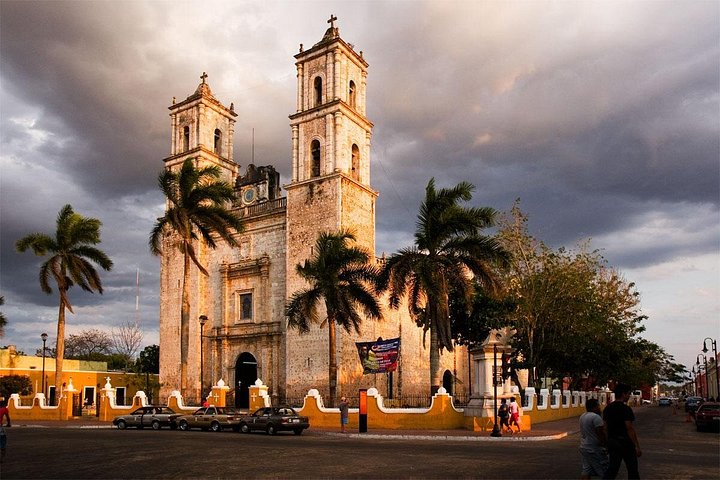
Start at the archaeological zone and walk El Castillo, the Great Ball Court, the Temple of the Warriors, the Thousand Columns and the Caracol observatory, then follow the trail to the Sacred Cenote. After the ruins, drive or join a tour to Ik Kil for a swim, then continue to Valladolid for lunch, the San Bernardino de Siena convent and the Calzada de los Frailes. Cenote Suytún is on the same road and is the photographer's choice. Ek Balam is north of Valladolid and suits a second morning, while Izamal fits best on a day from Mérida.
Practical tips
Carry pesos for stalls, tips and cenote fees, since cards are not accepted everywhere. Bring swimwear and a towel if you plan to swim, use biodegradable sunscreen, and shower before entering the cenote. Keep water with you at all times, plan meals in Pisté or Valladolid, and allow extra time on the highway. Check the venue's website or your booking for the latest hours and rules before you travel, since access arrangements at the site can change.
The honest summary
Chichén Itzá is worth the trip, but the crowds and the heat are real. The best plan is an early start, a guide for the first visit, a swim in the middle of the day and a slow evening in a colonial town. Spend a night close by, and the whole experience becomes calmer and far more memorable.